
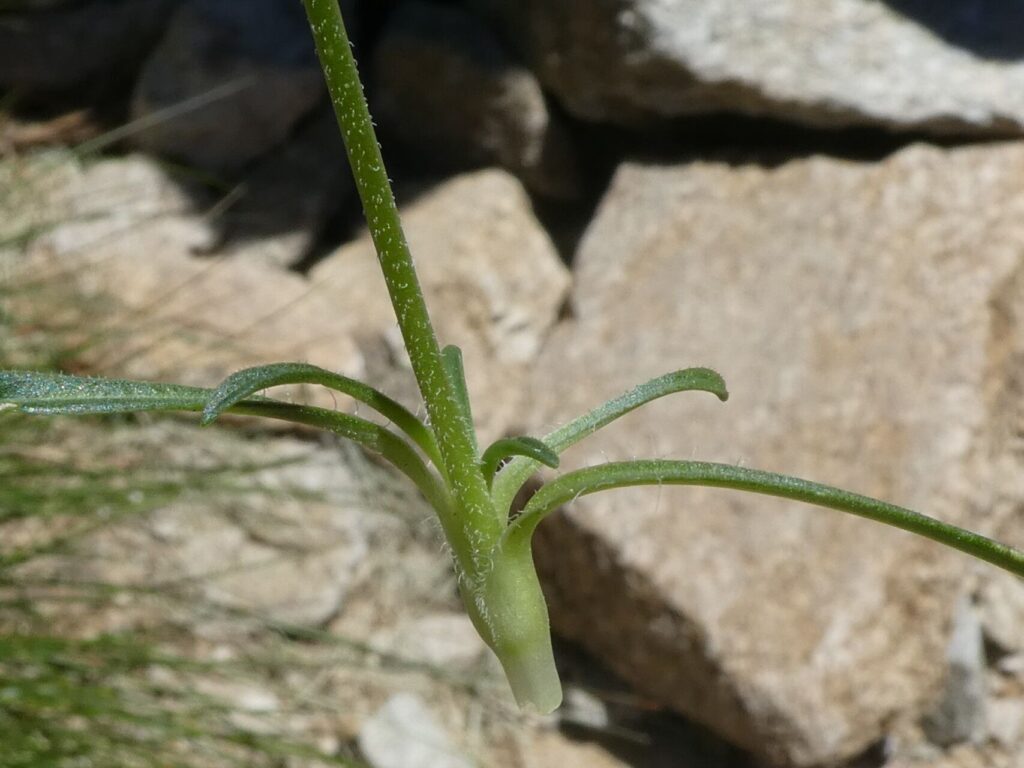
Taming the Mountain Treasure: Propagating Silene ciliata
The world of alpine plants holds a unique charm, and among these hardy survivors thrives Silene ciliata. This cushion-forming perennial, with its delicate pink blooms gracing rocky landscapes, is a true delight for rock gardens and alpine enthusiasts.
But bringing a touch of the alpine home isn’t just about purchasing mature plants. Successfully propagating Silene ciliata can be incredibly rewarding, offering a deeper connection to this tenacious species. Let’s explore the two primary methods:
1. Seed Propagation: A Journey of Patience
Propagating Silene ciliata from seed mimics its natural life cycle and is the most common method. However, patience is key, as germination can be slow and somewhat erratic:
- Gathering Seeds: Collect seeds in late summer or early autumn, once the seed capsules have ripened and turned brown.
- Cold Stratification: Here’s where we mimic nature. Silene ciliata, used to harsh alpine conditions, requires a period of cold to break dormancy.
- Method 1 (Sowing in Fall): Sow seeds directly in pots outdoors in autumn. Natural winter temperatures will provide the needed stratification.
- Method 2 (Refrigerator Stratification): For spring sowing, mix seeds with a slightly damp (not wet) medium like vermiculite and store them in a sealed bag in the refrigerator for 4-6 weeks.
- Sowing: After stratification, sow seeds on the surface of a well-draining seed-starting mix. Don’t bury them; light aids germination.
- Environment: Maintain a temperature of around 60-65°F (15-18°C). Consistent moisture is crucial, but avoid overwatering.
- Germination: Be patient! Germination can take anywhere from a few weeks to a few months.
- Thinning: Once seedlings have several sets of true leaves, thin them to provide adequate spacing.
2. Cuttings: A Faster Approach
For faster results, propagating from cuttings is a viable option:
- Timing: Take cuttings in late spring or early summer from healthy, non-flowering stems.
- Preparation: Using a sharp, clean knife or pruners, take 2-3 inch cuttings just below a leaf node. Remove lower leaves, leaving 2-3 pairs at the top.
- Hormone (Optional): Dipping the cut end in rooting hormone can increase success rates.
- Planting: Insert cuttings into a well-draining mix of perlite and peat moss.
- Environment: Keep cuttings consistently moist and in a humid environment. A propagator or covering the pot with a plastic bag can help.
- Rooting: Cuttings should root within 4-6 weeks. Gently tugging on the cutting will reveal if roots have formed.
- Potting Up: Once roots are well-established, transplant cuttings into individual pots.
Caring for Your Alpine Gem
Regardless of your propagation method, providing the right growing conditions is essential for success:
- Soil: Mimic Silene ciliata‘s natural habitat with a well-draining, gritty soil mix.
- Light: Provide ample sunlight. This alpine dweller thrives in full sun to partial shade.
- Watering: Water deeply but allow the soil to dry out slightly between watering. Avoid overwatering, which can lead to root rot.
Propagating Silene ciliata is a journey of patience and care. But the reward of witnessing these resilient beauties thrive in your own space makes the effort truly worthwhile. So, channel your inner botanist, and let the adventure begin!