
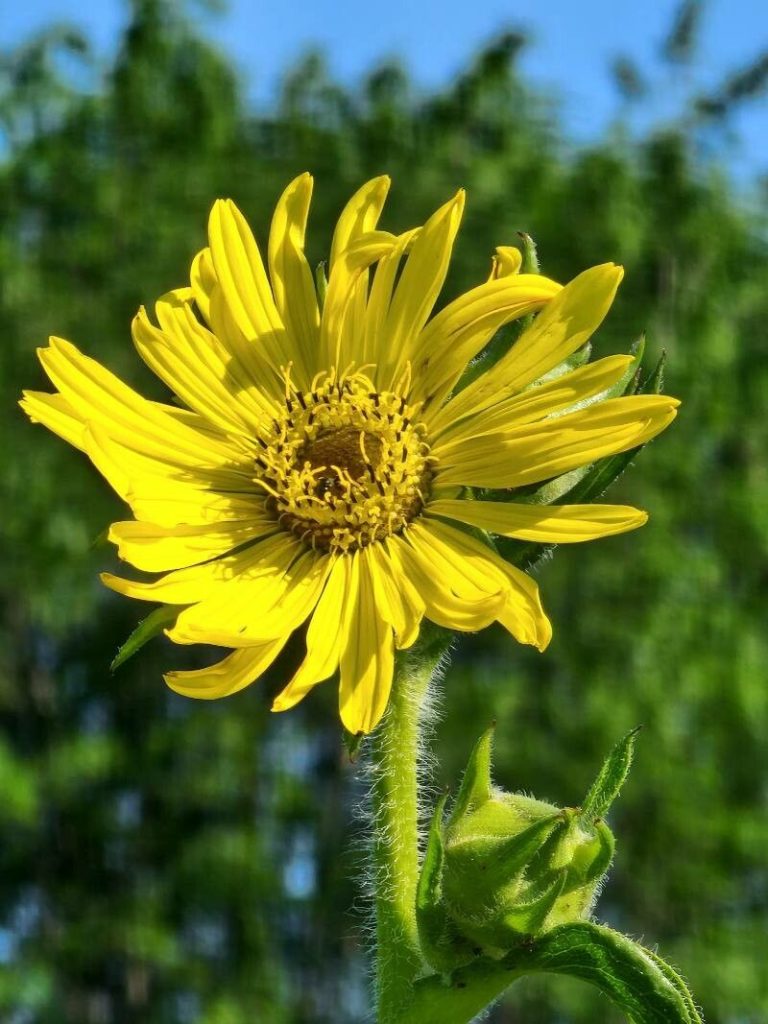
Propagating Compass Plant (Silphium laciniatum): A Gardener’s Guide
Introduction:
Silphium laciniatum, commonly known as compass plant, is a striking North American native perennial prized for its dramatic, deeply lobed leaves that often orient themselves north-south (hence the common name). Reaching impressive heights of 6-10 feet, this robust plant offers a bold architectural presence in the garden, attracting pollinators with its copious yellow daisy-like flowers. Its resilience and adaptability to various soil conditions make it a popular choice amongst gardeners seeking low-maintenance, ecologically beneficial additions to their landscapes. However, propagating compass plant can present some unique challenges, making successful propagation all the more rewarding.
Seed Germination:
Seed germination is a viable method for propagating Silphium laciniatum, albeit with some complexities. The seeds possess a hard seed coat which inhibits water uptake, necessitating some form of scarification. This can be achieved through mechanical abrasion (e.g., gently nicking the seed coat with a file) or by using warm stratification.
Challenges: The hard seed coat and potential dormancy periods can significantly reduce germination rates. Irregular germination is also common.
Practical Tips: Sow seeds outdoors in the fall for natural cold stratification, allowing winter conditions to break dormancy. Alternatively, seeds can be scarified and sown indoors in early spring, providing bottom heat for improved germination. Use a well-draining seed starting mix and maintain consistent moisture without overwatering.
Rewards: Seed propagation offers the advantages of genetic diversity, a potentially cost-effective method for large-scale propagation, and the satisfaction of nurturing a plant from seed.
Cuttings:
Currently, there are no known reliable methods for propagating Silphium laciniatum via cuttings. This plant’s robust, woody nature may hinder the rooting process from stem or root cuttings.
Division:
Division is a relatively successful method for propagating established compass plants.
Challenges: Successfully dividing Silphium laciniatum requires a mature plant with a well-developed root system. Improper division can damage the plant, reducing its vigor or even killing it.
Practical Tips: Divide in early spring or late fall, ensuring each division possesses a substantial portion of the root system and several healthy shoots. Plant the divisions immediately in well-prepared soil, watering thoroughly after planting.
Rewards: Division offers a quick and relatively easy method to increase the number of plants, preserving the genetic characteristics of the mother plant.
Tissue Culture:
Tissue culture propagation of Silphium laciniatum is not commonly practiced and requires specialized laboratory facilities and expertise. While potentially offering large-scale propagation, it is not a practical method for the average home gardener.
Conclusion:
Propagating Silphium laciniatum presents unique challenges across different methods. While seed germination offers the benefits of genetic diversity but requires patience and understanding of seed dormancy, division presents a quicker but more physically demanding route. Cuttings and tissue culture are currently not practical options. The rewards, however, are well worth the effort. The sheer satisfaction of successfully cultivating this striking plant, overcoming the challenges to witness its towering presence and vibrant blooms in your garden, is a testament to dedication and horticultural prowess. For aspiring propagators, we recommend starting with division of established plants if possible, or practicing patience and careful attention to detail if choosing the seed germination route. With perseverance, the majestic compass plant can reward you with years of beauty and a profound connection to the natural world.