
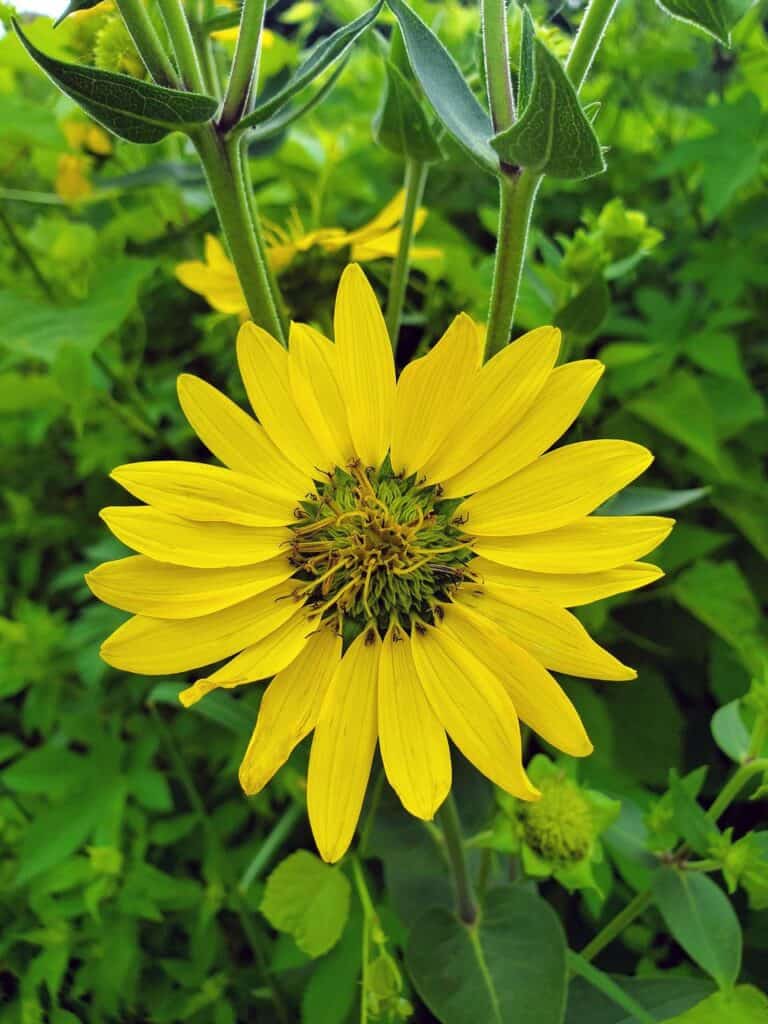
Unlocking the Secrets of Silphium Radula Propagation: A Guide to Growing This North American Beauty
Silphium radula, the charming "Cups Plant" or "Rough Rosinweed," is a North American native perennial gaining popularity for its unique beauty and resilience. This sun-loving, drought-tolerant plant boasts tall stems adorned with bright yellow, daisy-like flowers, adding vibrant bursts of color and texture to any landscape. If you’re looking to invite this low-maintenance beauty into your garden, understanding its propagation methods is key.
Embracing the Power of Seeds:
Silphium radula primarily propagates through seeds, and thankfully, the process is surprisingly straightforward. Here’s a step-by-step guide:
-
Seed Collection: As the vibrant blooms of Silphium radula fade in late summer to fall, they give way to seed heads filled with flat, brown seeds. Collect these seeds once the heads turn brown and dry, gently rubbing them between your fingers to release the treasure within.
-
Cold Stratification: A Necessary Chill: Silphium radula seeds benefit from a period of cold stratification, mimicking the natural winter conditions they would experience in the wild. To achieve this, store your seeds in a refrigerator (around 40°F) for 4-6 weeks. You can easily do this by placing the seeds in a sealed plastic bag or container filled with slightly damp vermiculite or sand.
-
Time to Sow: Once your seeds have experienced their winter slumber, it’s time to wake them up! In spring, after the threat of frost has passed, sow your seeds directly into your garden or start them indoors 6-8 weeks before the last expected frost.
- Direct Sowing: Choose a sunny spot with well-drained soil. Sow seeds about ¼ inch deep and 12-18 inches apart, ensuring good air circulation.
- Indoor Sowing: Use a seed-starting mix and sow seeds in individual pots or trays. Keep the soil consistently moist and provide adequate light. Once seedlings develop a few true leaves, harden them off gradually before transplanting them outdoors after the last frost.
- Patience is Key: Silphium radula seeds can be slow to germinate, sometimes taking several weeks to sprout. Don’t lose hope! Maintain consistent moisture and be rewarded with the emergence of new life.
Division: Sharing the Bounty:
While seed propagation is the most common method for Silphium radula, established plants can also be divided in spring or fall. This process not only creates new plants but also helps rejuvenate older clumps.
-
Careful Extraction: Gently dig around the base of a mature plant, ensuring you lift the entire root system.
-
Separation Strategy: Using a sharp, clean knife or spade, divide the root ball into smaller sections. Each division should have a healthy portion of roots and shoots.
- New Beginnings: Replant the divisions immediately in their new locations, ensuring they receive adequate water as they settle in.
Nurturing Your Silphium Radula:
Once established, Silphium radula requires minimal care. It thrives in full sun to partial shade and tolerates various soil types, showcasing its resilient nature. Regular watering during the first year helps establish a strong root system, but afterwards, it becomes quite drought tolerant.
Adding Silphium radula to your garden creates a haven for pollinators while delighting you with its beauty and resilience. Whether you choose to start from seed or divide existing plants, the rewards of cultivating this stunning North American native are well worth the effort.