
From Seed to Spice: The Joys of Propagating White Mustard (Sinapis alba)
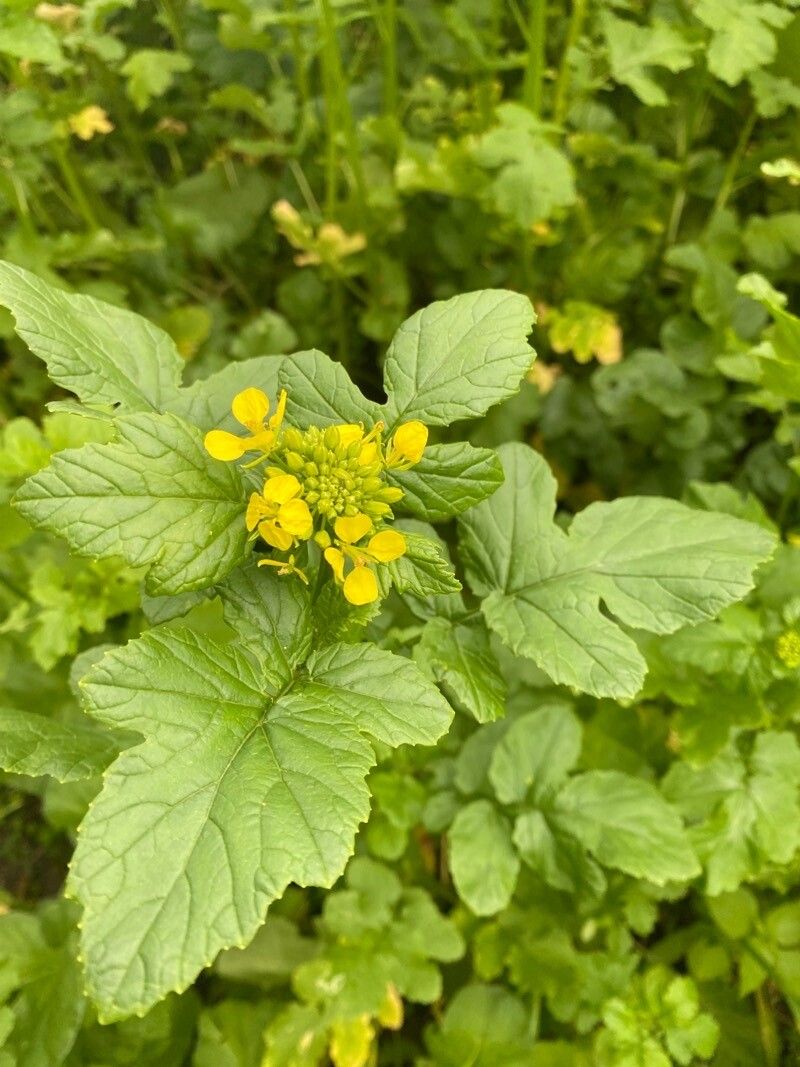
White mustard, known scientifically as Sinapis alba, is more than just a flavorful condiment. This versatile plant boasts beautiful yellow blooms, attracting beneficial insects to your garden, and its leaves offer a peppery bite to salads. Whether you’re a seasoned gardener or just starting out, learning to propagate white mustard is a rewarding experience.
Why Propagate White Mustard?
- It’s Easy! White mustard is known for its straightforward germination and rapid growth. This makes it a fantastic choice for beginner gardeners and a satisfyingly quick addition to any garden bed.
- Continuous Harvest: Unlike some plants, white mustard allows for multiple harvests throughout the growing season. You can enjoy fresh leaves for months by simply snipping what you need and allowing the plant to continue flourishing.
- Attract Pollinators: The vibrant yellow flowers of white mustard are a magnet for bees and other beneficial insects. By growing this plant, you’re contributing to a healthy and diverse garden ecosystem.
Two Methods for Propagation
White mustard is most commonly propagated through seeds, but did you know you can also propagate it through cuttings? Let’s explore both methods:
- Timing is Everything: The best time to sow white mustard seeds directly outdoors is in early spring or late summer, after the danger of frost has passed. You can start seeds indoors a few weeks before your last frost date for an earlier harvest.
- Sowing the Seeds: Choose a sunny location with well-drained soil. Sow the seeds about 1/2 inch deep and 1 inch apart. Water gently and keep the soil consistently moist.
- Thinning Out: Once the seedlings emerge (usually within 5-10 days), thin them out to about 6 inches apart. This allows each plant ample space to grow strong and healthy.
2. Propagation from Cuttings
While less common, propagating white mustard from cuttings is entirely possible and offers a faster route to mature plants:
- Taking the Cutting: Using clean, sharp shears, take a 3-4 inch cutting from a healthy and robust white mustard plant. Remove the lower leaves, leaving only a few at the top.
- Encouraging Root Growth: Dip the cut end of the stem in rooting hormone (optional but beneficial) and then plant it in a small pot filled with a well-draining seed starting mix.
- Creating a Humid Environment: To maintain moisture and encourage root development, cover the pot with a plastic bag or place it in a propagator. Keep the soil lightly moist. Roots should develop in a few weeks.
- Transplanting: Once roots have formed and new growth appears, you can transplant your white mustard cutting into larger pots or directly into the garden.
Harvesting Your Bounty
White mustard grows quickly, and you can begin harvesting young leaves within a month of sowing. For the most flavorful leaves, harvest before the plant flowers. If you’re harvesting for seeds, allow the flowers to mature and form seed pods, which you can then collect and dry for next year’s planting.
Final Thoughts
Propagating white mustard, whether from seed or cuttings, is truly a rewarding experience. With minimal effort, you can enjoy this versatile and delicious plant in your garden and on your plate. So why wait? Get your hands dirty and experience the joys of growing your very own white mustard!