
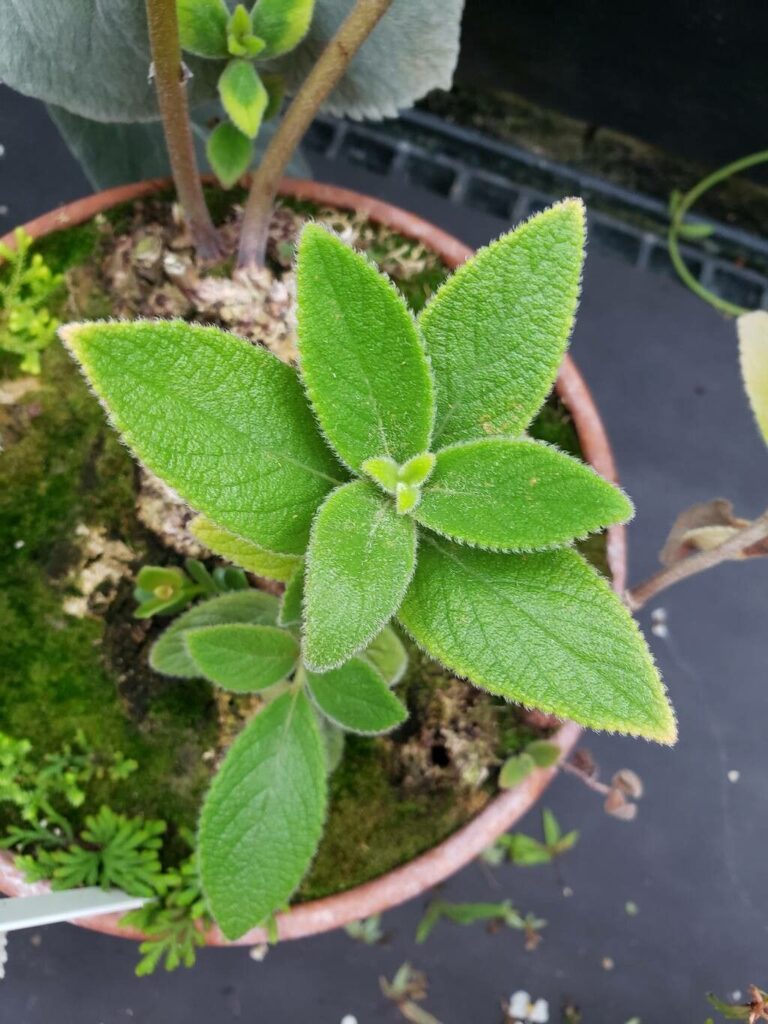
Unlocking the Secrets of Sinningia Incarnata: A Propagation Guide for Stunning Blooms
The Sinningia incarnata, with its vibrant, trumpet-shaped flowers and velvety leaves, is a sight to behold. This Brazilian native, sometimes called the “Painted Lady” or “Gloxinia,” brings a touch of the tropics indoors, but many shy away from growing it, fearing it’s too difficult. But fear not! Propagating Sinningia incarnata is surprisingly achievable, even for beginners. Let’s unlock the secrets to multiplying your collection and enjoying these beauties year after year.
Three Paths to Propagation:
Sinningia incarnata generously offers us several methods for propagation:
-
Leaf Cuttings: This is the most popular and arguably the easiest technique.
- Timing is Key: Spring and early summer, while the plant is actively growing, are ideal.
- Making the Cut: Carefully select a healthy leaf with a short stem (petiole). Use a sterile, sharp knife or scissors to cut the leaf at its base.
- Encouraging Roots: You can dip the cut end in rooting hormone (optional but helpful), then place it in a moist, well-draining starting mix. Perlite and vermiculite make an excellent rooting medium.
- Creating the Right Conditions: Cover the pot with a plastic bag or humidity dome to maintain moisture. Place it in a warm, brightly lit location out of direct sunlight.
- Patience is a Virtue: Within a few weeks, you’ll start to see new growth emerging from the base of the leaf, indicating successful rooting. Once the plantlets are large enough to handle, transplant them into individual pots.
-
Seed Starting: For the adventurous gardener, growing from seeds offers a rewarding, if slightly longer, journey.
- Sourcing your Seeds: Purchase seeds from a reputable supplier or collect them from your own Sinningia incarnata if it has produced seed pods.
- Surface Sowing: Sinningia seeds are incredibly fine, almost dust-like. Sprinkle them over a well-draining starting mix but don’t bury them; they need light to germinate.
- Moisture is Crucial: Mist the surface with water and cover the container with a clear lid or plastic wrap to create a humid environment.
- Light and Warmth: Place the container in a brightly lit area, out of direct sunlight, with a temperature around 70-75°F (21-24°C).
- Time to Sprout: Germination can take 2-4 weeks. Once the seedlings have a couple of sets of leaves, you can transplant them into individual pots.
-
Division: Mature Sinningia incarnata plants often produce offshoots or tubers.
- Dividing with Care: Carefully remove the plant from its pot and gently separate the tubers, ensuring each section has healthy roots and at least one growth point.
- Potting Up: Plant each division in a well-draining potting mix, burying the tuber just below the surface.
- Watering In: Water thoroughly and place the newly potted divisions in a bright location, out of direct sunlight.
Essential Tips for Success:
- Well-Draining Soil: Sinningia incarnata thrives in a loose, airy mix that doesn’t retain excess moisture, preventing root rot.
- Bright, Indirect Light: Ample light is crucial for flowering, but direct sunlight can scorch the leaves.
- Moderate Watering: Water thoroughly when the soil surface dries out, but avoid overwatering.
- Humidity Boost: Sinningia incarnata enjoys moderate to high humidity. Consider using a pebble tray or humidifier, especially during dry months.
Propagating your Sinningia incarnata is a fulfilling endeavor that rewards you with more of these exquisite plants. With a little patience and care, you can enjoy a flourishing display of these vibrant blooms for years to come!