
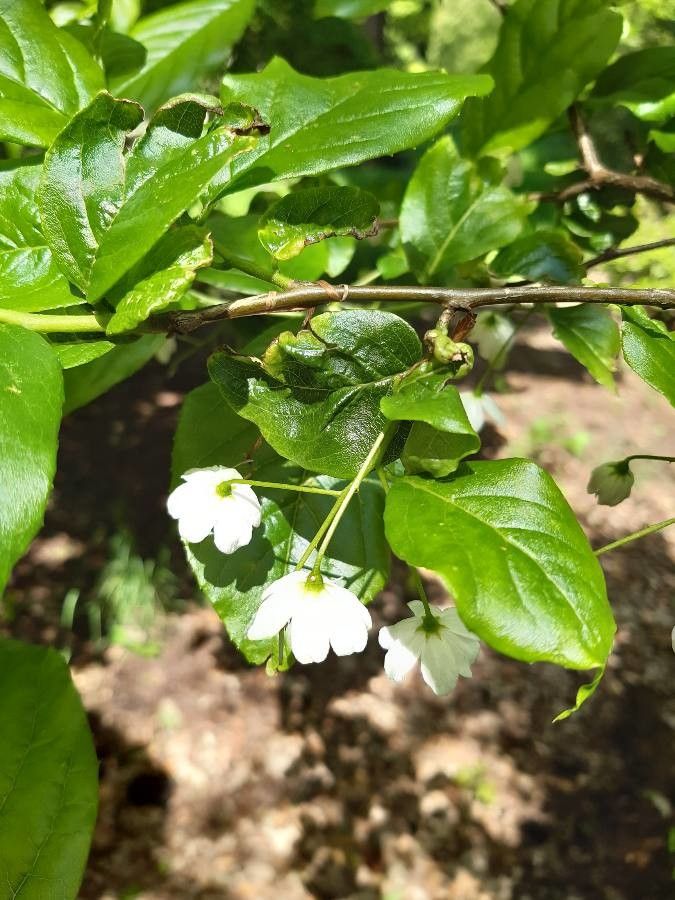
Propagating the Silver-bell Tree: A Gardener’s Guide to Sinojackia rehderiana
Introduction
Sinojackia rehderiana, commonly known as the silver-bell tree, is a captivating small tree prized for its exquisite, fragrant, white, bell-shaped flowers that appear in late spring. Native to China, its delicate beauty and relatively uncommon nature have made it a sought-after addition to specialist gardens worldwide. The plant’s unique characteristics, particularly its late blooming season and distinctive flower form, contribute to its horticultural significance. However, its propagation presents certain challenges, making successful cultivation a rewarding endeavor for passionate gardeners.
Seed Germination
Currently, there are no known reliable methods for seed germination propagation of Sinojackia rehderiana. While seeds may be produced, germination rates are extremely low, and even when germination occurs, seedling survival is often poor. Further research is needed to determine if specific pre-treatment techniques, such as stratification or scarification, could improve germination success.
Cuttings
Propagating Sinojackia rehderiana from cuttings holds some promise, though it is not straightforward.
Challenges: Hardwood cuttings have shown limited success. The low success rate is likely due to the plant’s relatively slow growth and difficulty in rooting.
Practical Tips: Semi-hardwood cuttings taken in summer, treated with rooting hormone and placed under high humidity conditions (e.g., mist propagation system), might offer the best chance of success. Using a well-draining rooting medium is crucial to prevent rotting.
Rewards: Successfully rooting cuttings offers a quicker pathway to establishing new plants compared to other methods and allows for the preservation of desirable genetic traits from a specific parent plant.
Division
Division is not a practical method for propagating Sinojackia rehderiana. This plant doesn’t readily produce the kind of suckers or offshoots that would lend themselves to division.
Tissue Culture
Tissue culture offers a potentially viable pathway for large-scale propagation of Sinojackia rehderiana.
Challenges: Establishing a reliable tissue culture protocol requires specialized knowledge and equipment, making it a resource-intensive method. The optimal growth medium, hormone concentrations, and sterilization techniques need to be meticulously determined through experimentation.
Practical Tips: Collaborating with a tissue culture laboratory or experienced propagator would significantly increase the chances of success. Research into successful protocols for related species could provide valuable guidance.
Rewards: Tissue culture allows for rapid multiplication of superior plant material, ensuring consistency in plant quality and facilitating large-scale propagation for commercial or conservation purposes.
Conclusion
Propagating Sinojackia rehderiana presents significant challenges, with seed germination currently unreliable and division impractical. Cuttings offer a possible approach but require patience, skill, and high success rates are not guaranteed. Tissue culture offers the most potential for large-scale propagation but demands specialized expertise and resources. Despite the difficulties, the unique beauty and rarity of the silver-bell tree make the effort worthwhile. The satisfaction derived from successfully cultivating this plant, whether through cuttings or tissue culture, is unparalleled. Aspiring propagators should approach this challenge with patience, perseverance, and a willingness to learn and adapt their techniques based on observation and experimentation. The reward of successfully blooming Sinojackia in your garden, a testament to your skill and dedication, makes the journey all the more worthwhile.