
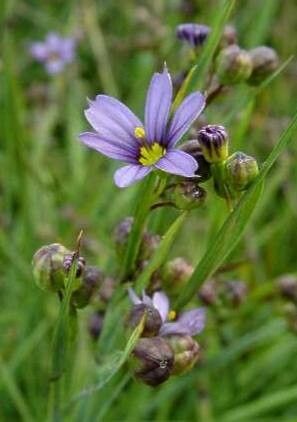
Multiplying Your Blue-Eyed Grass: A Guide to Propagating Sisyrinchium angustifolium
Sisyrinchium angustifolium, more charmingly known as Blue-Eyed Grass, is a delightful addition to any garden. These hardy perennials, with their delicate, star-shaped blue flowers and grass-like foliage, bring a touch of wildflower charm to borders, meadows, and even container gardens. If you’re lucky enough to have some gracing your yard, you might be wondering how to get more of these beauties. Well, you’re in luck! Propagating Sisyrinchium angustifolium is a relatively simple process that can be done through two main methods: division and seed.
Division: Spreading the Blue Cheer (Recommended Method)
For those eager to expand their Blue-Eyed Grass patch quickly, division is the way to go. This method is best undertaken in early spring or fall when the plant is dormant or just beginning new growth. Here’s a step-by-step guide:
- Prepare the new planting site: Choose a location that receives full sun to partial shade and has well-draining soil. Amend the soil with compost for optimal results.
- Lift the clumps: Using a garden fork or spade, carefully lift mature clumps of Blue-Eyed Grass from the ground.
- Divide the clumps: Gently tease apart the clumps into smaller sections, ensuring that each section has a good amount of roots attached.
- Replant the divisions: Plant the divisions at the same depth they were growing previously, spacing them about 12-18 inches apart. Water thoroughly.
Seed: A More Patient Approach
While starting Blue-Eyed Grass from seed requires a bit more patience, it can be a rewarding experience. Here’s how to do it:
- Collect seeds: Allow the seed heads to dry completely on the plant. Once dry, collect the seeds and store them in a cool, dry place.
- Sow the seeds: In late fall or early spring, sow the seeds directly in the garden or start them indoors 6-8 weeks before the last frost.
- Outdoor sowing: Scatter the seeds on prepared soil and lightly rake them in. Water gently.
- Indoor sowing: Sow seeds in seed-starting mix, barely covering them with soil. Provide consistent moisture and bright, indirect light.
- Transplant seedlings: Once the seedlings have developed several sets of true leaves and the threat of frost has passed, transplant them outdoors.
Caring for Your New Blue-Eyed Grass Offspring
Blue-Eyed Grass is relatively low-maintenance. Here are a few tips to help your new plants thrive:
- Watering: Water regularly until established, especially during dry spells. Once established, they are relatively drought-tolerant.
- Fertilizing: While not essential, a light application of balanced fertilizer in spring can encourage healthy growth.
- Deadheading: For a tidier appearance and to encourage more blooms, remove spent flower stalks.
With a bit of care and attention, you can easily propagate your existing Blue-Eyed Grass and enjoy a bounty of beautiful blue blooms for years to come. Whether you choose division or seed starting, remember to have fun and enjoy the process of expanding your wildflower haven!