
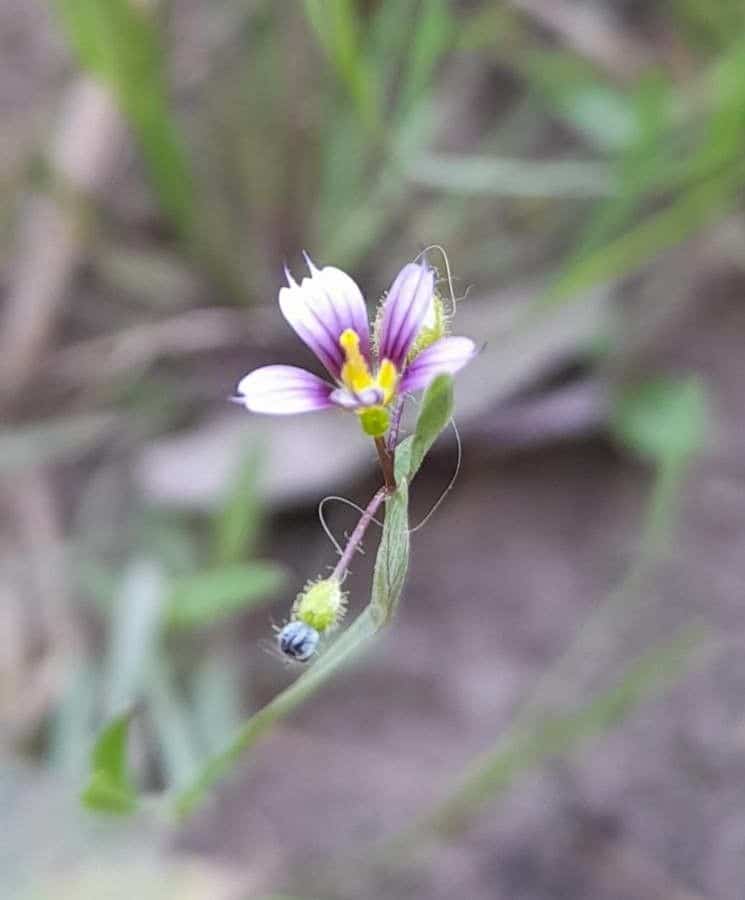
Unleash a Sea of Blue: Propagating Blue-Eyed Grass (Sisyrinchium minus)
Blue-eyed grass, with its charming star-shaped flowers, isn’t actually a grass at all – it’s a fascinating member of the Iris family! This North American native, scientifically known as Sisyrinchium minus, is a delightful addition to rock gardens, borders, and wildflower meadows, thanks to its low-maintenance nature and a vibrant splash of blue that rivals the summer sky. Interested in blanketing your garden with these captivating blooms? Let’s dive into the world of propagating blue-eyed grass!
Two Paths to Prosperity: Seeds and Division
While relatively short-lived, blue-eyed grass happily self-seeds, ensuring its presence year after year. However, you can give Mother Nature a helping hand and propagate your own plants, either through seeds or division.
1. Starting from Seed: A Rewarding Journey
Propagating blue-eyed grass from seed is a straightforward process that yields satisfying results:
- Collecting Seeds: Once the flowers fade, keep an eye out for the small, round seed capsules. Harvest them when they turn brown and dry, gently breaking them open to collect the tiny, black seeds within.
- Sowing Time: Aim to sow your seeds in late fall or early spring, directly outdoors in their desired location. Blue-eyed grass prefers well-drained soil and a sunny to partially shaded spot.
- Sowing Technique: Scatter the seeds on the surface of the soil, lightly pressing them in. You don’t need to bury them deeply – a light dusting of soil is sufficient.
- Patience is Key: Be prepared to wait, as germination can take a few weeks to a couple of months, depending on the temperature and moisture levels.
2. Division: Multiplying Your Floral Bounty
Dividing established clumps of blue-eyed grass is another effective method, perfect for rejuvenating older plants or creating new ones quickly:
- Timing is Everything: Early spring or fall, when the plants are dormant, is the ideal time for division.
- Digging In: Carefully dig around the clump you wish to divide, ensuring you don’t damage the roots.
- Separation Anxiety? Gently tease apart the clump into smaller sections, each with a healthy portion of roots and leaves.
- New Beginnings: Replant the divisions at the same depth they were originally growing, spacing them about 6-12 inches apart.
- Tender Loving Care: Water your newly divided plants well and watch them flourish!
A Few Tips for Success:
- Well-Drained Soil is Crucial: Blue-eyed grasses are susceptible to root rot, so ensure adequate drainage in your chosen planting location.
- Sun or Shade, They’re Adaptable: While they prefer some sun, blue-eyed grasses are surprisingly adaptable and tolerate partial shade.
- Don’t Be Afraid to Thin: If seedlings become overcrowded, thin them out to provide adequate space for healthy growth.
Propagating blue-eyed grass is a rewarding endeavor, allowing you to multiply these charming wildflowers and enhance the beauty of your garden. With a little effort and patience, you’ll be rewarded with a vibrant sea of blue, transforming your outdoor space into a haven for pollinators and a source of endless admiration.