
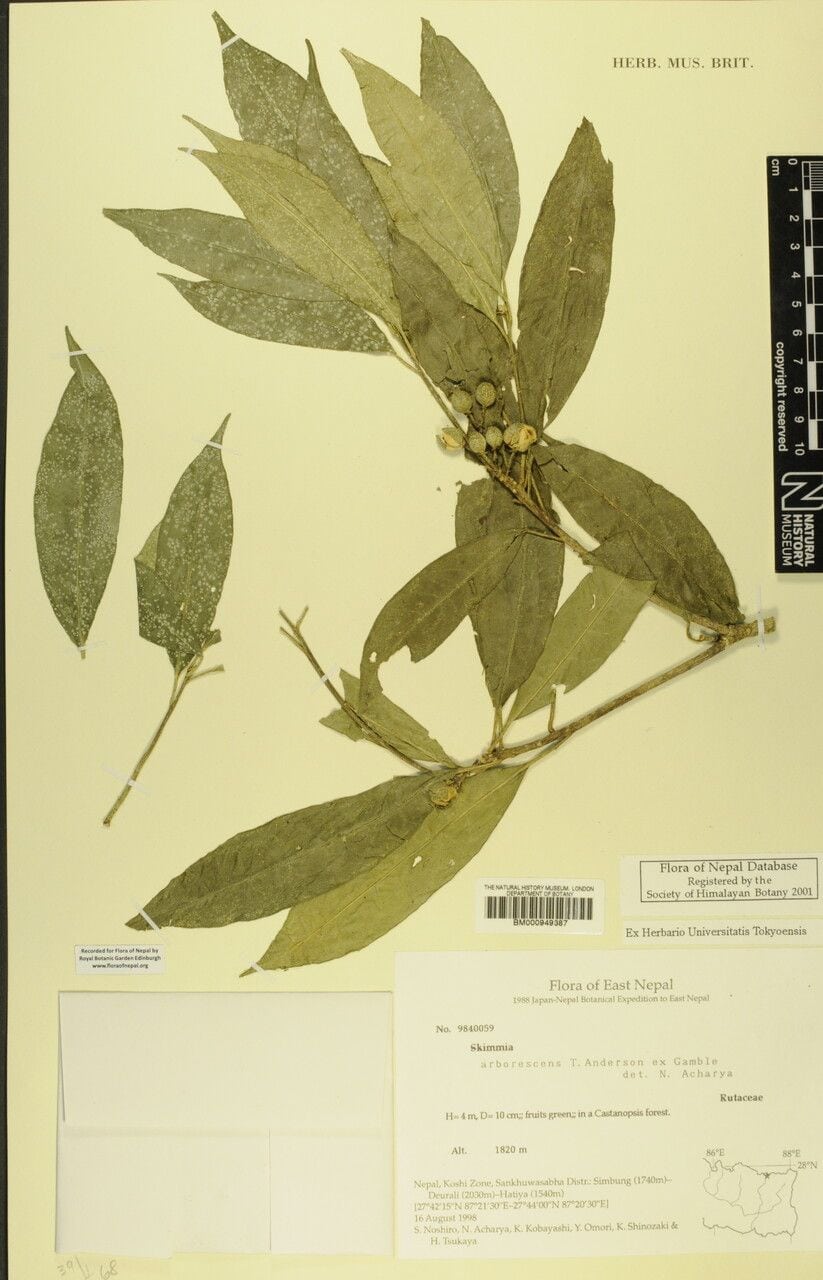
Unveiling the Secrets of Skimmia Arborescens Propagation: Grow Your Own Aromatic Evergreen
Skimmia arborescens, with its glossy evergreen foliage, delicate flowers, and vibrant berries, is a garden gem. While readily available in nurseries, wouldn’t it be even more rewarding to propagate your own? Mastering the art of propagation allows you to expand your garden collection and share this beautiful plant with friends and family.
This guide delves into the techniques to successfully multiply your Skimmia arborescens:
1. Propagation by Seed:
This method requires patience, as it takes longer to see results, and is best suited for those who enjoy the complete growing cycle. Here’s how:
- Collecting Seeds: Harvest ripe berries in late autumn and extract the seeds. Soak the seeds in warm water for 24 hours to soften the outer layer.
- Stratification: Skimmia seeds benefit from a period of cold treatment to mimic natural winter conditions. Mix the seeds with moist vermiculite or sand, seal them in a plastic bag, and refrigerate for 8-12 weeks.
- Sowing: After stratification, sow the seeds in a well-draining seed starting mix. Barely cover them with the mix and mist generously.
- Patience is Key: Seedlings can take several weeks to emerge. Once they have a few sets of true leaves, transplant them into individual pots.
2. Propagation by Semi-ripe Cuttings:
Taking cuttings is a faster and more reliable method, yielding quicker results than seeds.
- Timing: The optimal time is late summer to early autumn, when the plant’s growth is slowing down.
- Taking the Cutting: Select healthy, non-flowering shoots from the current year’s growth. Cut a 4-6 inch section just below a leaf node using sharp, clean shears. Remove the lower leaves, leaving 2-3 pairs at the top.
- Hormone Treatment: Dip the cut end in rooting hormone (optional but recommended).
- Planting: Plant the cuttings in a pot filled with a mix of peat moss and perlite or a seed starting mix.
- Creating Humidity: Cover the pot with a clear plastic bag or use a propagator to maintain high humidity.
- Rooting: It generally takes 6-8 weeks for cuttings to develop roots. Gently tug on the cutting; resistance indicates rooting success. Gradually acclimate the rooted cuttings to normal humidity before transplanting.
Key Considerations for Success:
- Well-draining Soil: Skimmia arborescens prefers slightly acidic, well-draining soil.
- Partial Shade: While it tolerates some sun, dappled shade or partial sun is ideal.
- Consistent Moisture: Maintain consistently moist but not waterlogged soil.
- Patience: Propagation takes time. Don’t be discouraged if you don’t see immediate results.
Conclusion:
Propagating your own Skimmia arborescens is a gratifying experience. Whether you choose the rewarding challenge of starting from seed or prefer the quicker method of cuttings, these techniques will equip you with the knowledge to expand your garden with this delightful evergreen. So, roll up your sleeves, get your hands dirty, and enjoy the journey of propagating your own Skimmia arborescens!