
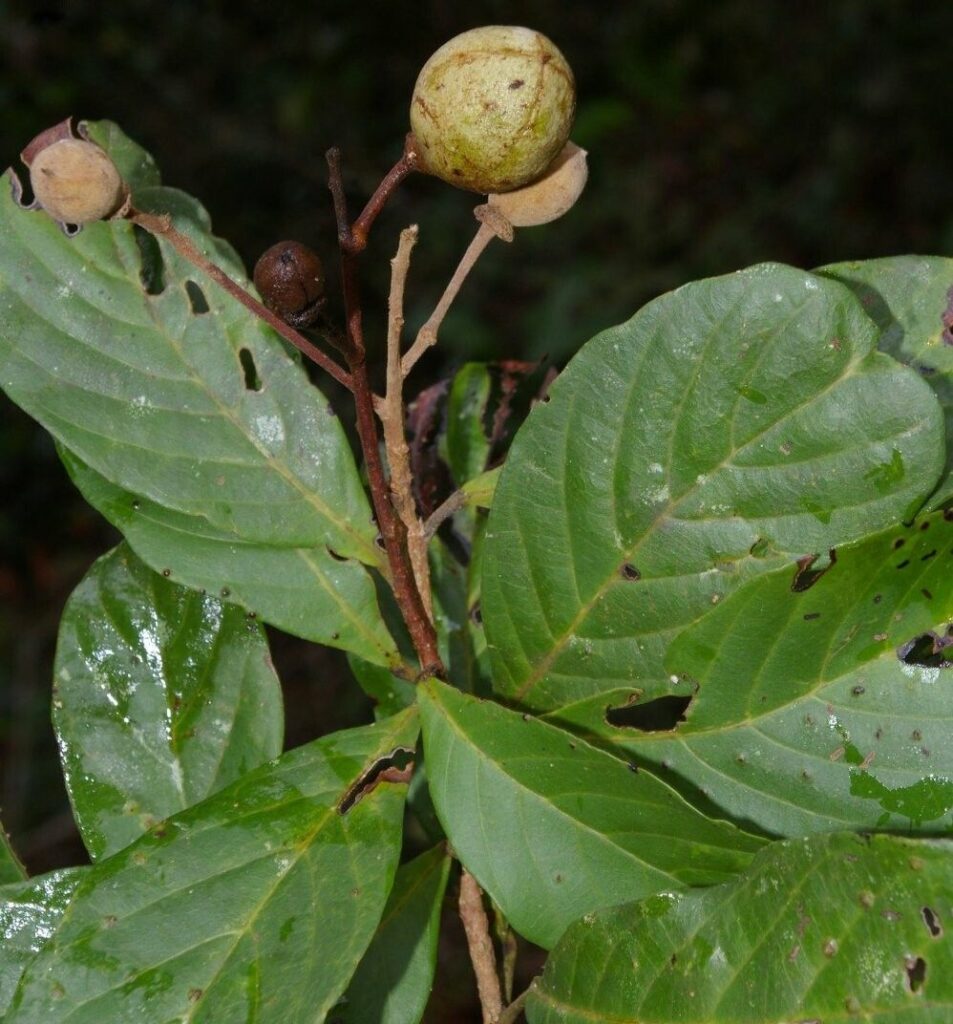
From Seed to Sapling: Unlocking the Secrets of Propagating Sloanea floribunda
The Sloanea floribunda, a majestic tree native to the Caribbean, is known for its striking beauty and unique appeal. But beyond its captivating presence, this plant holds a secret: it’s relatively difficult to propagate. However, with the right knowledge and patience, even amateur gardeners can successfully multiply this treasured species.
The Challenge of Propagation
While Sloanea floribunda produces ample seeds, germination rates can be incredibly low. This is largely due to the seed’s hard, impervious seed coat that prevents water and oxygen from reaching the embryo. Furthermore, the seeds require specific conditions to sprout, making conventional methods unreliable.
Unlocking the Secrets: The Power of Scarification
The key to successful propagation lies in a technique called scarification. This involves weakening the seed coat to facilitate germination. For Sloanea floribunda, mechanical scarification is the preferred method. Here’s how it works:
-
Preparation: Carefully select mature seeds and soak them in warm water for 24 hours. This softens the outer layer.
-
Scarification: Using a sharp knife or sandpaper, gently nick the seed coat, exposing the embryo. Be sure not to damage the embryo itself.
-
Planting: Fill a pot with well-draining potting mix and sow the scarified seeds about half an inch deep.
-
Humidity and Warmth: Create a warm, humid environment by covering the pot with a clear plastic dome or wrap. This simulates the rainforest environment where the seeds naturally germinate.
- Patience: Germination can take several weeks or even months. Be patient, and keep the potting mix consistently moist.
Beyond Seeds: Exploring Other Methods
While seed propagation is the most common method, there are other techniques for multiplying Sloanea floribunda, though these are generally less successful.
-
Cuttings: Taking cuttings from mature branches can be attempted, but rooting success rates are low. Use a sharp, clean knife to make a 4-6 inch cut, and root it in a moist, well-draining medium.
- Air layering: This technique involves removing a section of bark from a branch and wrapping it in moist moss to encourage root development. This can be a challenging method for Sloanea floribunda.
Important Considerations:
-
Sunlight: Sloanea floribunda thrives in partial shade to full sun. Ensure the seedling receives adequate sunlight once it emerges.
-
Watering: Maintain consistent moisture, but avoid overwatering, which can lead to root rot.
- Fertilization: Once the seedlings have established a strong root system, feed them with a balanced fertilizer diluted to half strength.
A Rewarding Journey:
The process of propagating Sloanea floribunda is a rewarding journey, requiring patience, observation, and a little experimentation. By understanding the challenges and implementing the right techniques, you can unlock the secrets of this magnificent plant and enjoy the satisfaction of nurturing its growth from seed to sapling.
Remember, patience and persistence are key to success, and with a little dedication, you’ll soon be admiring the beauty of your own Sloanea floribunda tree.