
From Snipping to Sprouting: Propagating the Smilax anceps (and Adding a Touch of Green to Your Home)
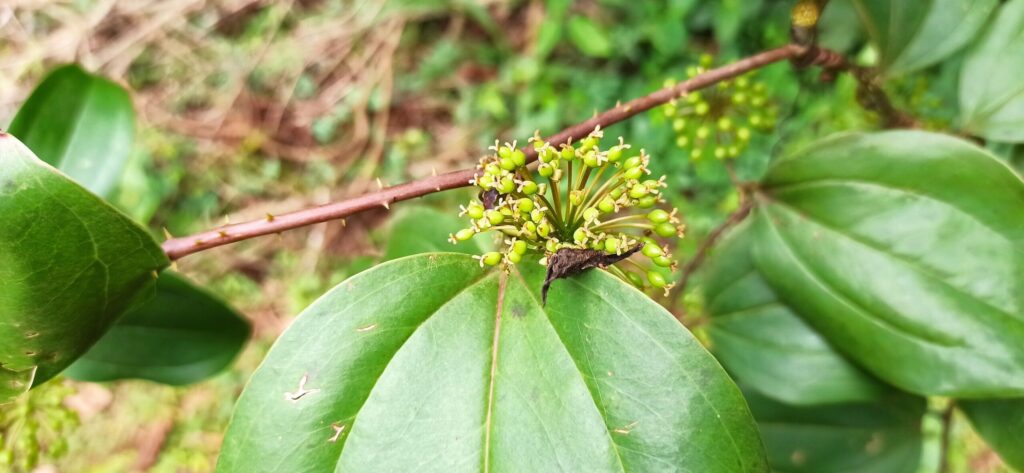
The Smilax anceps, also known as the “Green Briar” or “Cat Briar,” is a captivating vine renowned for its lush, evergreen foliage and intricate, delicate blooms. If you’re captivated by this plant’s beauty and want to expand your collection, propagation is the key! This versatile vine can be readily propagated by both cuttings and seeds, making it accessible for both seasoned gardeners and beginners.
The Cutting Method: A Quick and Easy Path to New Growth
The most popular method for propagating Smilax anceps is through stem cuttings. This technique allows you to quickly create new plants from existing ones, ensuring a consistent genetic makeup.
Here’s how to do it:
- Select Your Cuttings: Choose healthy, non-flowering stems from your Smilax anceps. Each cutting should be around 4-6 inches long and have at least two to three nodes (the bumps where leaves grow).
- Prepare the Cuttings: Make a clean, angled cut just below a node. Remove any leaves below the soil line.
- Root Hormone (Optional): Dip the cut end of the stem in rooting hormone powder. This helps stimulate root growth and increases the chances of success.
- Planting Medium: Use a well-draining potting mix or a mixture of peat moss and perlite. Fill small pots or seed trays with the medium and poke a hole in the center for each cutting.
- Planting: Insert each cutting into the hole, ensuring at least one node is buried. Gently press the soil around the cutting, firming it down to provide stability.
- Water and Cover: Water the cuttings thoroughly and cover the pot or tray with a plastic dome or clear plastic wrap to create a humid environment.
- Location: Place the cuttings in a warm, bright location, avoiding direct sunlight.
- Maintenance: Keep the potting medium consistently moist but not soggy. You should see signs of new growth within a few weeks.
The Seed Method: A Bit More Time-Consuming but Rewarding
While not as common, propagating Smilax anceps from seeds can be a rewarding experience. This method allows for genetic diversity and is perfect for those who enjoy the whole plant life cycle.
Here’s how to propagate from seed:
- Collect Seeds: Gather ripe Smilax anceps berries from your existing plant. The seeds are small and black, found inside the berries.
- Clean and Dry: Remove the seeds from the berries and wash them gently to remove any remnants of fruit. Allow them to air dry completely to prevent mold.
- Stratification (Optional): Smilax anceps seeds may benefit from a period of cold stratification before germination. This mimics the natural winter conditions. Wrap the seeds in a damp paper towel and store them in the refrigerator for 3-4 weeks.
- Planting: Fill small pots or seed trays with a well-draining potting mix. Sow the seeds 1/4 inch deep and space them about 2 inches apart.
- Watering and Location: Water the seeds thoroughly and keep the potting mix moist. Place the pots or trays in a warm, bright location, avoiding direct sunlight.
- Germination: Germination can take several weeks to a few months, so be patient!
Tips for Success
- Humidity is key: Smilax anceps cuttings and seedlings thrive in high humidity.
- Avoid overwatering: While consistent moisture is important, avoid letting the potting mix become waterlogged. This can lead to root rot.
- Patience is crucial: Propagation takes time, so don’t get discouraged if you don’t see results immediately.
By understanding the basics of propagation, you can easily expand your collection of Smilax anceps, sharing its timeless beauty with your home and garden. Just remember, with a little patience and care, you’ll reap the rewards of a thriving vine that adds a touch of green to your life.