
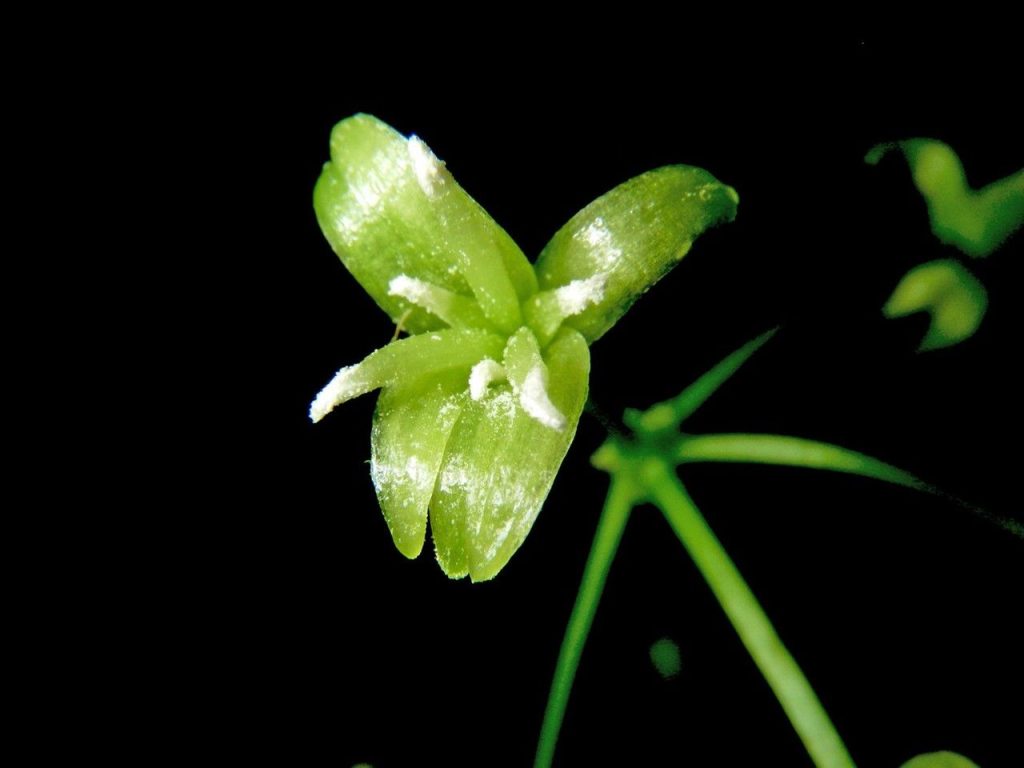
Propagating Smilax officinalis: A Gardener’s Guide to the Medicinal Smilax
Introduction:
Smilax officinalis, also known as Sarsaparilla, is a robust, climbing or sprawling plant prized for its medicinal properties and attractive foliage. Its glossy, evergreen leaves and vigorous growth habit make it a desirable addition to gardens, especially for creating lush ground cover or climbing screens. However, its propagation can present unique challenges, making successful cultivation a rewarding experience for dedicated gardeners. While its use in traditional medicine adds to its appeal, its propagation isn’t widely documented, requiring a closer look at various methods.
Seed Germination:
Currently, there are no known reliable methods for seed germination propagation of Smilax officinalis. While some species of Smilax may propagate from seed, S. officinalis appears to exhibit low seed viability and germination rates under typical horticultural conditions. Further research is needed to determine optimal germination techniques, if any exist.
Cuttings:
Cuttings offer a more promising approach to propagating Smilax officinalis.
-
Challenges: The success rate of cuttings can vary significantly depending on the timing, the type of cutting (softwood, hardwood, semi-hardwood), and the rooting medium used. Smilax can be prone to fungal infections in humid conditions, hindering root development.
-
Practical Tips: Semi-hardwood cuttings taken in late summer or early autumn, approximately 10-15cm long, generally yield the best results. Remove lower leaves to prevent rotting and dip the cut ends in a rooting hormone to stimulate root development. Plant cuttings in a well-draining mix, such as perlite and peat moss, kept consistently moist but not waterlogged. A humid environment, perhaps under a plastic propagator, will significantly improve success rates.
- Rewards: Cuttings are relatively easy to manage and can provide a quick and reliable way to increase your Smilax population. Maintaining the genetic characteristics of the mother plant is another benefit.
Division:
Division is another viable option for Smilax officinalis propagation, particularly for established plants.
-
Challenges: Care must be taken to avoid damaging the root system during division. Each division needs to contain sufficient roots and shoots to ensure its survival. Improper division may lead to a decline in vigor or even death of the divided sections.
-
Practical Tips: The best time for division is during the spring or early autumn when the plant is actively growing. Gently dig up the plant, carefully separate sections with a sharp, clean spade or knife, making sure each division has a healthy root ball and several shoots. Replant immediately in a suitable location and water thoroughly.
- Rewards: Division offers a quick way to obtain multiple plants, ensuring a greater chance of success than seed propagation. It preserves the genetic characteristics of the original plant.
Tissue Culture:
Tissue culture is a sophisticated technique that offers the potential for large-scale propagation of Smilax officinalis, though it’s not commonly practiced for this species.
-
Challenges: Tissue culture requires specialized equipment, sterile conditions, and a considerable level of expertise. It also often requires significant investment of both time and resources. Failure rates can be high unless precise protocols are followed.
-
Practical Tips: Successful tissue culture relies on the selection of appropriate growth media, sterile conditions, and plant hormones to encourage shoot proliferation and root formation. This technique is generally relegated to specialized commercial nurseries or research facilities.
- Rewards: Tissue culture allows for the production of a large number of genetically identical plants in a short period. Disease-free plants can be produced and the technique is particularly suited for mass propagation or conservation efforts.
Conclusion:
While seed propagation of Smilax officinalis remains elusive, cuttings and division provide reliable methods for propagation, each with its own set of challenges and rewards. Tissue culture offers a potential path to large-scale production but requires specialized expertise and resources. The unique satisfaction derived from successfully propagating Smilax officinalis lies in overcoming the hurdles involved. The vigorous growth and potential medicinal qualities of this remarkable plant make the efforts well worthwhile. Aspiring propagators should start by attempting cuttings or division, focusing on maintaining proper moisture and humidity levels. With patience and persistence, you can find immense satisfaction in cultivating this fascinating and useful plant.