
Unleashing the Ancient Flavor: Propagating Alexanders (Smyrnium olusatrum) in Your Garden
Alexanders, also known by its scientific name Smyrnium olusatrum, is a fascinating edible plant with a rich history. Once a staple in ancient Roman cuisine, this versatile biennial has fallen out of favor in modern times, but with its unique flavor and ease of propagation, it’s ripe for a revival in today’s gardens.
Understanding the Alexanders Lifecycle: A Two-Year Journey
Alexanders has a biennial lifecycle, meaning it completes its life cycle within two years:
Year 1: This year is all about growth. The plant develops a rosette of attractive, shiny green leaves that resemble celery. This foliage is edible and boasts a flavor reminiscent of parsley, angelica, and celery combined.
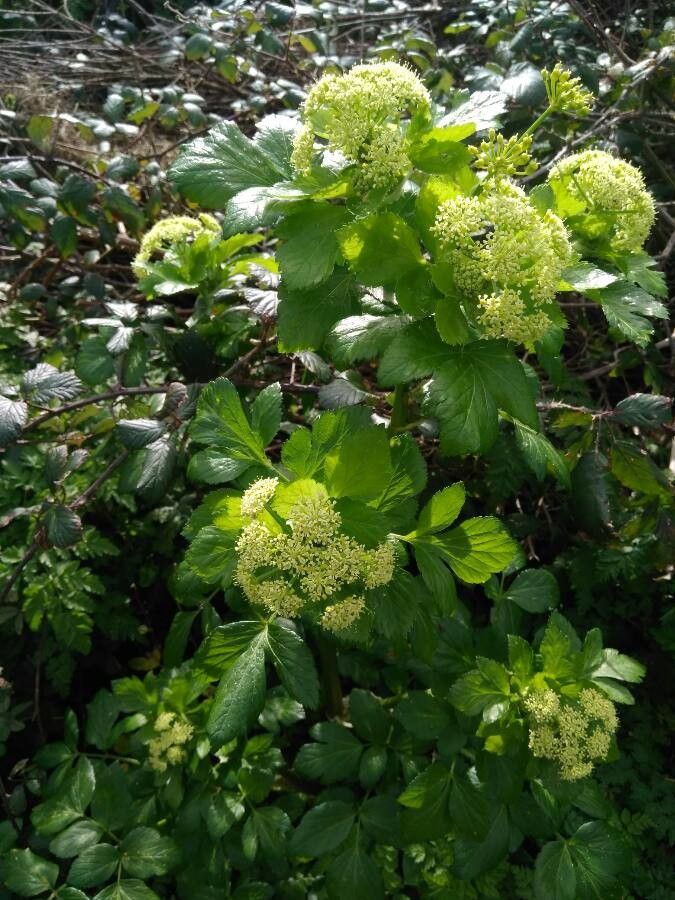
Year 2: In the second year, Alexanders sends up a tall, flowering stalk that can reach up to 5 feet. This stalk bears clusters of small, yellowish-green flowers that attract beneficial insects. After flowering, the plant produces seeds and then completes its life cycle.
Propagating Alexanders: Two Paths to Success
You can easily propagate Alexanders through two methods: seed sowing and self-seeding.
1. Sowing Alexanders Seeds:
- Timing is key: The best time to sow Alexanders seeds is in the fall, ideally shortly after they are collected.
- Sowing depth: Sow seeds thinly in rows directly into prepared seedbeds, lightly covering them with about 1/2 inch of soil.
- Location, location, location: Alexanders prefer a sunny or partially shaded location with well-drained soil.
- Thinning is crucial: As seedlings emerge, thin them out to provide ample spacing for optimal growth. Aim for a final spacing of about 12-18 inches apart.
2. Embracing Self-Seeding:
- Nature lends a hand: Alexanders are prolific self-seeders. If you allow some plants to flower and set seed, they will often readily spread their progeny.
- Controlled chaos: To manage self-seeding, thin out seedlings in the spring to prevent overcrowding and ensure healthy growth. Transplant any excess seedlings to desired locations or share them with fellow gardening enthusiasts.
A Note on Harvesting: Savoring the Flavors of Alexanders
Alexanders offers a plethora of culinary possibilities, with almost every part of the plant being edible:
- Leaves: Harvest young leaves in both the first and second years for salads, soups, or as a flavorful herb in cooked dishes.
- Stems: The blanched stems have a celery-like crunch and can be eaten raw or cooked.
- Flowers: Add the delicate flowers to salads for a touch of visual appeal and subtle flavor.
- Seeds: Collect mature seeds for a pungent spice reminiscent of black pepper.
Bringing Back the Alexanders: A Rewarding Endeavor
Propagating Alexanders is a rewarding endeavor for gardeners of all levels. This ancient plant, with its ease of growth and unique flavor profile, provides an opportunity to connect with culinary history while diversifying your garden and plate. So why not give Alexanders a try? You might just rediscover a forgotten culinary gem!