
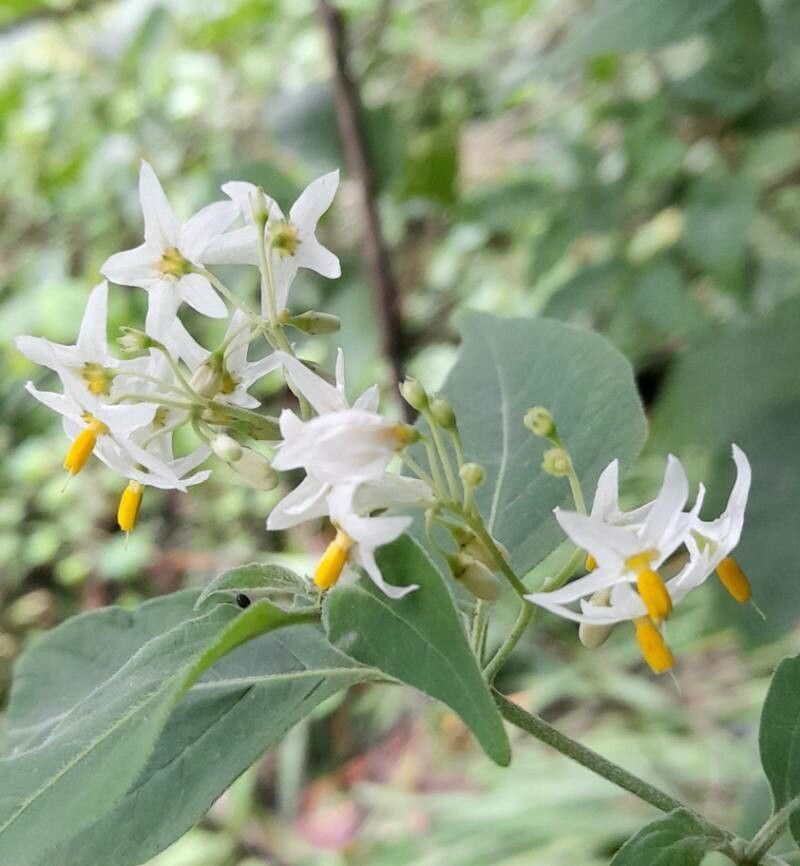
Taming the Tamarillo del Diablo: Propagating Solanum aloysiifolium
The “Tamarillo del Diablo”, or Solanum aloysiifolium, might sound like a mythical creature, but this intriguing plant, with its spiky demeanor and vibrant fruit, is very much real. Native to South America, this semi-woody shrub, reaching heights of 3-6 meters, is attracting attention from adventurous gardeners around the world. If you’re looking to add this unique beauty to your collection, mastering propagation is key. Let’s explore the different methods for welcoming Solanum aloysiifolium into your garden.
Understanding the Beast: A Quick Look at Solanum aloysiifolium
Before diving into propagation, it’s helpful to understand the plant itself. Solanum aloysiifolium is a member of the Solanaceae family, like tomatoes and eggplants, but don’t expect familiar fruits here. This plant boasts small, bright orange berries hidden beneath a thorny exterior. While the raw berries are toxic, traditional uses often involve processing them for medicinal purposes.
Propagation Power: Seeds vs. Cuttings
When it comes to propagating Solanum aloysiifolium, you have two primary options:
1. Seed Propagation:
- Source: Harvest ripe berries from an established plant. Extract seeds and allow them to dry completely.
- Process:
- Scarification: Gently nick the seed coat to enhance germination rates.
- Sowing: Sow seeds in a well-draining seed starting mix, covering them lightly.
- Environment: Provide warmth (around 70-75°F) and consistent moisture.
- Germination: Patience is key! Expect germination to take several weeks to a few months.
- Pros: An economical option that allows you to grow numerous plants.
- Cons: Requires patience due to slow germination, and plants may not be true to the parent.
2. Cutting Propagation:
- Source: Take semi-hardwood cuttings from healthy, mature stems during the growing season.
- Process:
- Preparation: Cut 4-6 inch sections, removing leaves from the lower half.
- Treatment: Dip the cut end in rooting hormone to encourage root development.
- Planting: Insert cuttings into a well-draining rooting medium.
- Environment: Maintain a warm, humid environment. Consider using a humidity dome or misting regularly.
- Pros: Faster than seed propagation and produces plants genetically identical to the parent.
- Cons: Requires access to a mature plant for cuttings.
Nurturing Your Newly Propagated Plants:
Regardless of your chosen propagation method, young Solanum aloysiifolium thrive in sunny locations with well-drained soil. They are relatively drought-tolerant once established but benefit from regular watering during their first year. Remember to protect yourself with gloves when handling this spiky character!
Embrace the Challenge:
Propagating Solanum aloysiifolium might require a touch more effort than your average tomato plant, but the reward of cultivating this unique and visually captivating species is well worth the journey. From seed to cutting, your journey to taming the “Tamarillo del Diablo” awaits!