
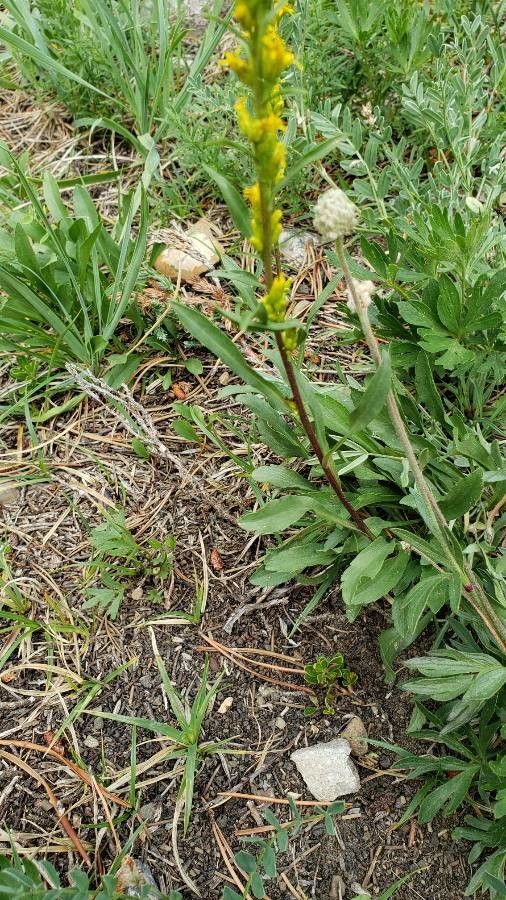
Propagating Solidago simplex: A Guide to Growing the Simple Goldenrod
Solidago simplex, commonly known as smooth goldenrod or anise-scented goldenrod, is a captivating North American native perennial prized for its late-summer and autumnal displays of vibrant yellow flowers. Its slender stems and airy inflorescences add a graceful touch to gardens, attracting pollinators and providing valuable late-season nectar. Its relative ease of cultivation contributes to its popularity, although propagation can present some unique challenges. This article explores various methods for propagating Solidago simplex, outlining the advantages and disadvantages of each approach.
Seed Germination:
Currently, there are no known reliable methods for seed germination propagation of Solidago simplex. While seeds may be produced, their germination rate is notoriously low, making this method impractical for most gardeners. Further research into specific seed requirements and pretreatment techniques may be necessary to improve success.
Cuttings:
Cuttings represent a more viable method for propagating Solidago simplex.
Challenges: Rooting can be slow and inconsistent, particularly if cuttings aren’t taken at the optimal time or under ideal conditions. The success rate relies heavily on providing consistently moist, warm, and humid conditions to prevent desiccation.
Practical Tips: Take semi-hardwood cuttings in late summer or early autumn from non-flowering stems. Dip the cut ends in rooting hormone before planting them in a well-draining propagation mix, maintaining high humidity under a cloche or plastic bag. Careful misting is crucial; avoid overwatering, which can cause rot.
Rewards: Cuttings offer a relatively straightforward method to produce genetically identical plants, preserving desirable traits. This approach is suitable for smaller-scale propagation and maintaining specific cultivars.
Division:
Division is arguably the easiest and most reliable method for propagating Solidago simplex.
Challenges: Division is best performed in spring or autumn, requiring careful handling of the root system to avoid damage. Overcrowding can lead to weaker plants, so proper spacing after division is essential.
Practical Tips: Gently dig up established plants and carefully separate them into smaller clumps, ensuring each division possesses healthy roots and several active shoots. Replant the divisions immediately, ensuring they receive adequate moisture.
Rewards: Division offers a rapid way to increase the number of plants, and it’s a simple technique even for beginner gardeners. It preserves the genetic characteristics of the parent plant and allows for quick establishment of new plants.
Tissue Culture:
Tissue culture is a more advanced technique, suitable for large-scale propagation or the preservation of rare cultivars.
Challenges: This method requires specialized equipment, sterile conditions, and a strong understanding of plant tissue culture techniques. It’s a time-consuming and resource-intensive approach with potential for contamination.
Practical Tips: Experts recommend using nodal segments from actively growing shoots as explants. Appropriate media containing plant growth regulators will be necessary to induce shoot multiplication and rooting.
Rewards: Tissue culture allows for rapid and mass propagation, reducing risks associated with other methods. It can also be used to eliminate diseases or produce disease-free plants.
Conclusion:
While seed germination proves unreliable for Solidago simplex, cuttings and, more particularly, division provide effective propagation methods for hobbyists. Tissue culture presents a more advanced option for larger-scale operations or specific needs. The challenges associated with each method, from maintaining humidity for cuttings to the delicate handling required for division, underscore the care and patience needed to successfully propagate this beautiful plant. However, the satisfaction of nurturing a small cutting into a flourishing goldenrod, or watching a divided clump grow and thrive, offers a unique reward that surpasses the effort involved, reminding us of the resilience and beauty of nature. Don’t be discouraged by initial setbacks; with perseverance, you can enjoy the splendor of Solidago simplex in your garden for years to come.