
Unlocking the Secrets of Sorocea affinis: A Guide to Propagation
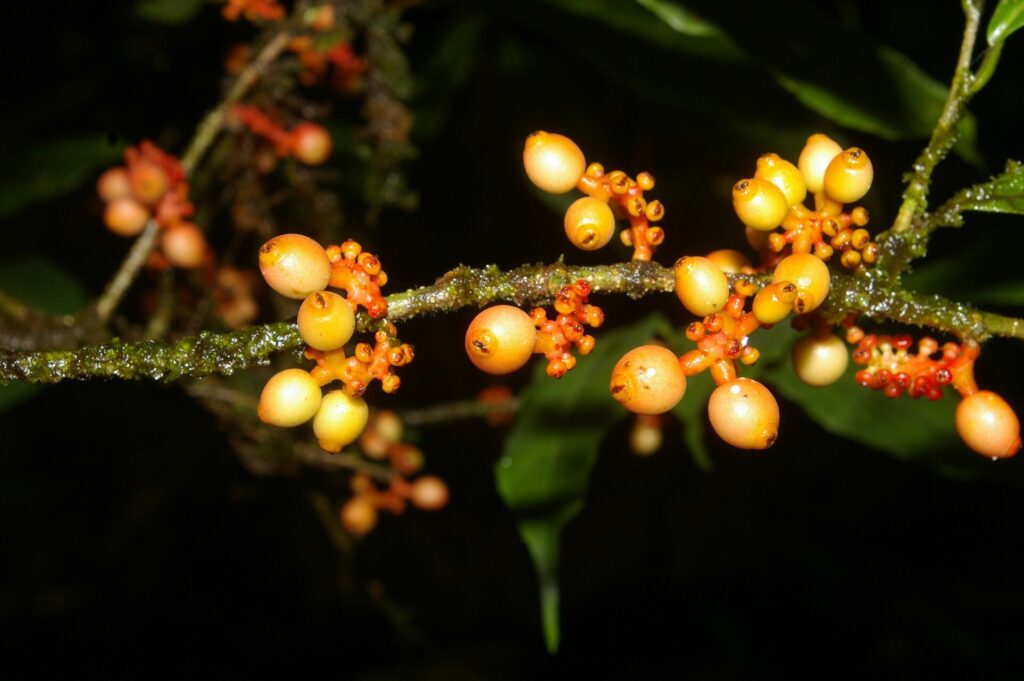
Sorocea affinis, also known as the “Milk Tree” or “Sorocea” in some cultures, is an intriguing plant with captivating foliage and edible fruit. This tropical tree native to Central and South America holds a special place in indigenous communities, providing sustenance and medicinal benefits. If you’re fascinated by this plant and eager to cultivate your own piece of its magic, propagation is the key. This article will guide you through the process, revealing the secrets of bringing new life to Sorocea affinis.
Understanding the Basics: The Power of Seeds and Cuttings
There are two primary methods for propagating Sorocea affinis: seed propagation and cuttings. Each method offers unique advantages and challenges.
-
Seed Propagation: This method is ideal for beginners as it’s relatively straightforward. The seeds are easily sourced from ripe fruits and germinate relatively quickly. However, seed propagation requires patience, as it may take several months for seedlings to develop into mature plants.
- Cuttings: Propagation using cuttings provides a faster approach and preserves the genetic traits of the parent plant. This method requires more skill and attention, but it produces plants that will blossom sooner.
Step-by-Step Guide to Seed Propagation:
-
Collect the seeds: Source ripe fruits from mature Sorocea affinis trees. The seeds are small and black, typically embedded in the fleshy fruit pulp.
-
Clean and prepare the seeds: Extract the seeds from the fruit and thoroughly wash them to remove any remaining pulp. Allow the seeds to dry for a few hours in a cool, shady place.
-
Start sowing: Fill containers with a well-drained seed-starting mix. Sow the seeds about 1/4 inch deep in separate pots or seed trays.
-
Germination and care: Place the containers in a warm (around 70-80°F), bright, indirect light location. Keep the soil consistently moist but not waterlogged. Germination typically occurs within 2-4 weeks.
- Transplantation: Once seedlings have developed a few true leaves, carefully transplant them into individual pots or a larger growing space. Choose a well-drained soil mix suitable for tropical plants.
Step-by-Step Guide to Cuttings Propagation:
-
Choose the cuttings: Select healthy, semi-hardwood cuttings from mature branches. Aim for pieces about 6-8 inches long with several nodes (growth points).
-
Prepare the cuttings: Remove the leaves from the bottom two inches of the cutting and dip the cut end in a rooting hormone solution.
-
Planting the cuttings: Fill a container with a rooting mix or a mixture of equal parts perlite and peat moss. Plant the cuttings deep enough to allow the bottom two nodes to be below the soil line.
-
Care and monitoring: Keep the rooting mix consistently moist, and cover the container with a plastic bag or dome to maintain humidity. Place the container in a bright, indirect light location. Roots should develop within 4-6 weeks.
- Transplanting rooted cuttings: Once the cuttings have rooted, gradually acclimate them to outdoor conditions by removing the plastic covering and reducing humidity. Transplant them into larger pots or directly into the garden when they are well-established.
Tips for success:
- Watering: Keep the soil moist but not soggy. Sorocea affinis prefers a slightly moist environment.
- Sunlight: Provide ample indirect sunlight. Avoid direct sunlight, especially during the hottest hours of the day.
- Nutrients: Fertilize regularly with a balanced fertilizer diluted to half strength during the growing season.
- Protection: Protect young plants from pests and diseases. Regularly inspect for signs of infestation and address them promptly.
By carefully following these steps and offering your Sorocea affinis the right care, you can successfully propagate this remarkable plant and enjoy its unique beauty and benefits for years to come. Whether you choose seeds or cuttings, the journey of propagation is a rewarding experience that deepens your connection with nature.