
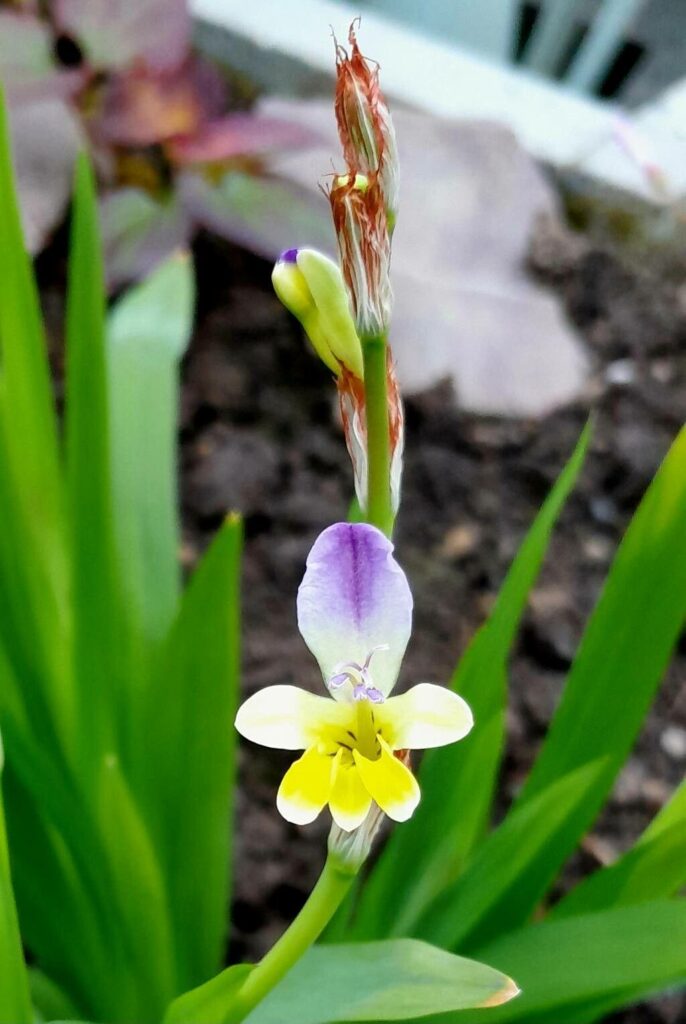
Bring the Sunshine Home: Propagating Sparaxis Villosa for a Vibrant Garden
Sparaxis villosa, also known as the “Harlequin Flower,” is a vibrant burst of color, boasting a range of hues from deep red to sunny yellow. With its captivating beauty and ease of care, this South African native is a popular choice for gardens around the world. But what if you wanted to share this joy with others, or simply expand your own collection? That’s where propagation comes in.
This blog post will guide you through the fascinating world of Sparaxis villosa propagation, unveiling the secrets to successfully multiplying this charming bloom.
Seeds of Success: A New Generation of Sparaxis
The simplest and most widely used method for propagating Sparaxis villosa is through seeds. While it offers the potential for a larger quantity of plants, patience is key, as it can take a few months for seedlings to mature. Here’s how to go about it:
- Harvest Your Seeds: After flowering, the distinctive, bottle-shaped seed pods will emerge. Allow them to fully dry on the plant before harvesting.
- Sowing Time: Sow the seeds in a seed tray filled with seed-starting mix. Gently press them into the surface without burying them deeply.
- Light and Humidity: Place the tray in a bright, well-ventilated area, out of direct sunlight. Keep the soil consistently moist but not saturated.
- Germination Journey: Seedlings typically emerge within 2 to 4 weeks. Once they have developed their second set of true leaves, you can transplant them into individual pots or directly into your garden.
Division: Sharing the Bounty
For faster results, consider dividing established Sparaxis villosa clumps. This method involves separating smaller, healthy divisions from the parent plant. Follow these steps:
- Timing is Key: The best time for division is in the spring after the first frost has passed.
- Gentle Separation: Carefully dig up the plant and loosen the soil around the roots. Gently separate the divisions, ensuring each has a healthy root system.
- Re-Planting: Plant the divisions in well-prepared soil, spacing them according to their mature size. Water them generously after planting.
Bulbs: An Alternative Pathway
Sparaxis villosa can also be propagated through bulbs, albeit a less common method.
- Harvest and Store: Carefully remove the bulbs from the soil after the plant has finished flowering. Store them in a dry, cool place.
- Planting Time: Plant the bulbs in the fall or spring, depending on your location. They require well-drained soil and should be planted at a depth of about 2 inches.
Tips for Success: Nurturing Your New Plants
- Sunlight and Soil: Sparaxis villosa thrive in full sun to partial shade. They prefer well-drained soil that’s amended with compost.
- Watering Wisdom: Water regularly, especially during dry periods, but allow the soil to dry out slightly between waterings.
- Fertilization Boost: Apply a balanced fertilizer every few weeks during their growing season to encourage healthy growth and flowering.
Sparaxis Villosa: A Garden Treasure
With a bit of patience and these simple techniques, you can easily propagate this charming bloom. Whether grown from seed, division, or bulbs, your success will be rewarded with the vibrant colors and captivating beauty of Sparaxis villosa.