
Doubling Down on Duck Potatoes: Propagating Sparganium Eurycarpum
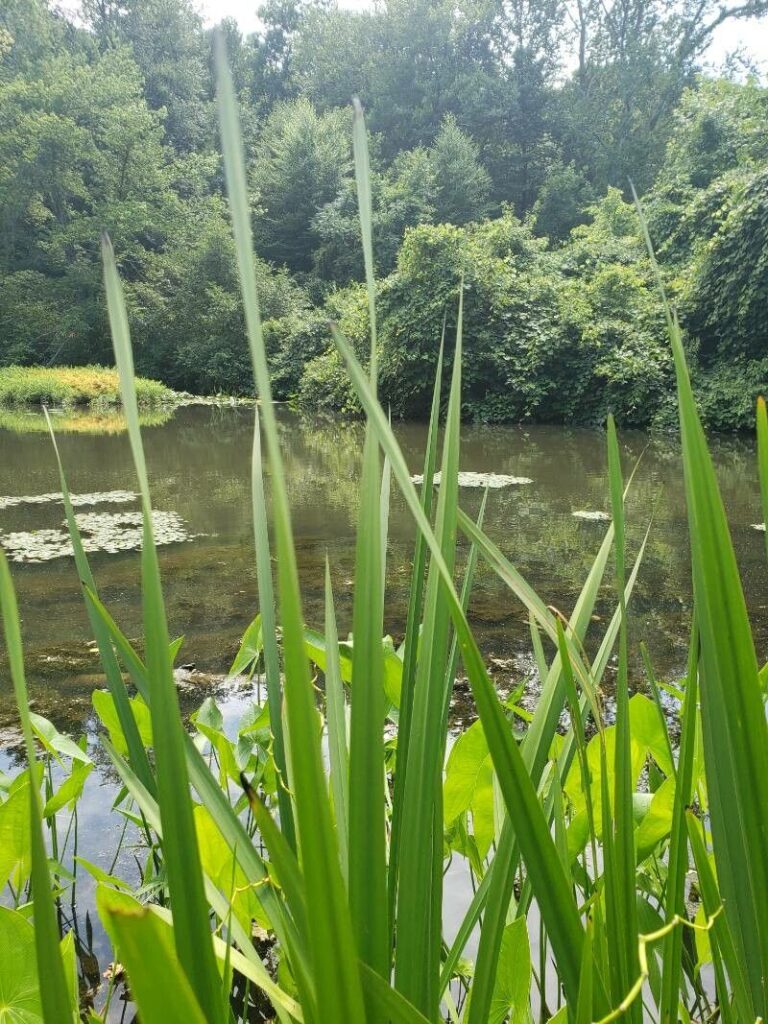
Sparganium eurycarpum, more commonly known as giant bur-reed, is a fascinating plant that can bring a unique beauty to your water garden. While its nickname “duck potato” might not sound glamorous, its striking, grassy foliage and unusual bur-like seed heads are sure to catch the eye. If you’re looking to expand your collection of this water-loving wonder, you’re in luck! Propagating Sparganium eurycarpum is relatively simple and can be achieved through two main methods: division and seed.
Division: Separating for Success
Division is the easiest and quickest way to propagate giant bur-reed. This method involves separating sections of established plants to create new ones.
Here’s what you need to do:
- Timing is key: The best time to divide Sparganium eurycarpum is in spring, just as new growth emerges.
- Dig it up: Carefully dig up a mature plant from your garden or pond, ensuring you remove a good portion of the root system.
- Divide and conquer: Using a sharp, clean knife or garden shears, divide the plant into sections. Each section should have a healthy amount of roots and shoots attached.
- Replant your divisions: Replant the divided sections in their desired locations, ensuring the crown of the plant is level with the soil surface. If planting in water, a depth of up to 6 inches is ideal.
- Water generously: After planting, water your new Sparganium eurycarpum divisions thoroughly to help them establish themselves.
Seed Starting: From Bur to Bloom
While division is the most straightforward method, propagating Sparganium eurycarpum from seed can be a rewarding experience.
Follow these steps for seed propagation:
- Collect ripe seed heads: In late summer or early fall, collect the distinctive bur-like seed heads from mature plants.
- Extract the seeds: Carefully break open the dried seed heads to remove the small, brown seeds within.
- Cold stratification: Sparganium eurycarpum seeds benefit from a period of cold stratification to encourage germination. Place the seeds in a moist paper towel inside a sealed plastic bag and store them in your refrigerator for 4-6 weeks.
- Sow your seeds: After stratification, sow the seeds in small pots filled with a seed-starting mix or a 50/50 blend of sand and loam. Gently press the seeds into the surface of the soil, but do not bury them.
- Keep it moist and bright: Place the pots in a shallow tray of water to allow for bottom watering and maintain consistent moisture. Ensure the pots receive bright, indirect light.
- Patience is key: Seed germination can be slow and erratic, so don’t be discouraged if it takes several weeks or even months for seedlings to appear.
- Transplant time: Once the seedlings are large enough to handle, transplant them into individual pots or directly into your water garden, ensuring they are placed at an appropriate depth.
No matter which method you choose, propagating Sparganium eurycarpum is a relatively simple process. With a little patience and care, you can easily multiply your collection of this striking and unique aquatic plant. So, go ahead and double down on those “duck potatoes” – your water garden will thank you for it!