
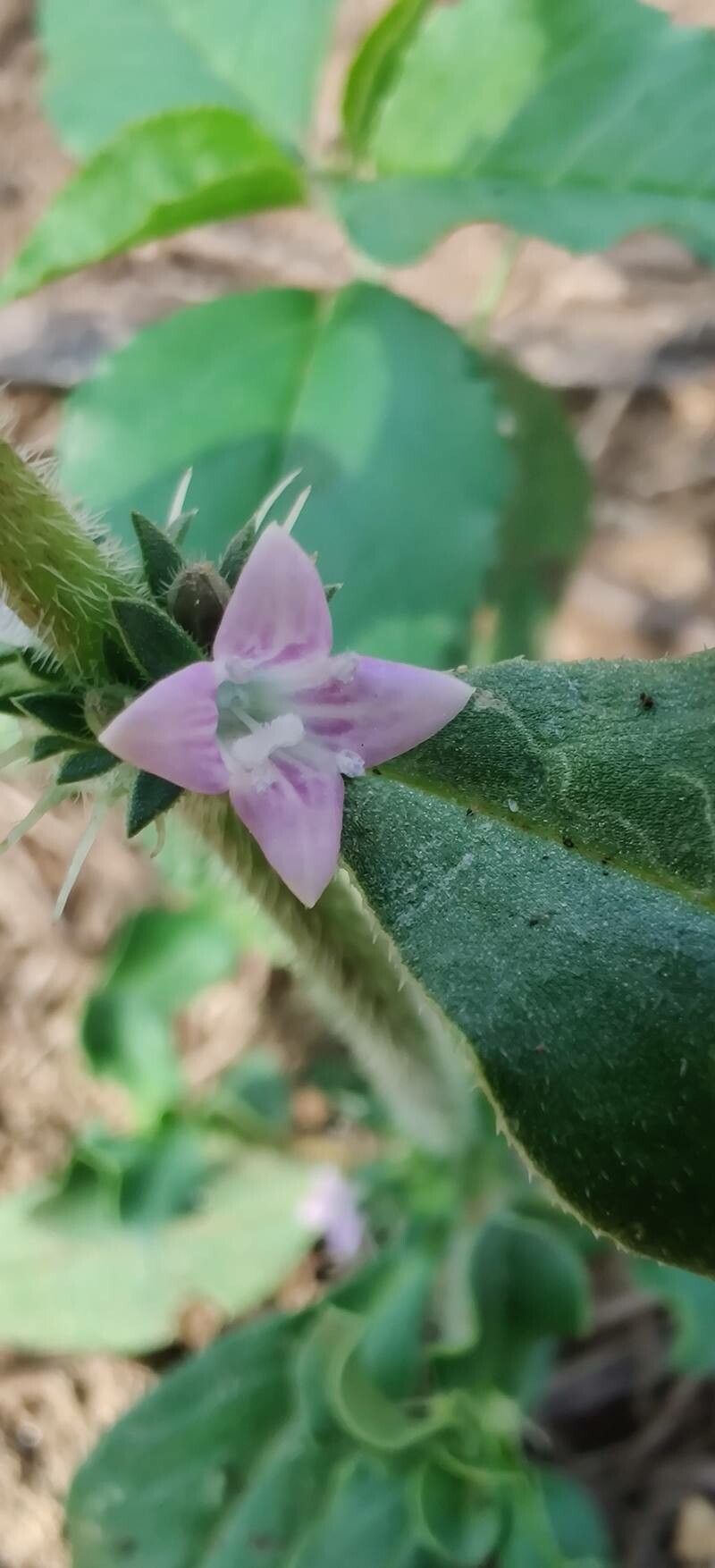
Spreading the Fuzzy Love: A Guide to Propagating Shaggy Buttonweed (Spermacoce hispida)
Shaggy buttonweed (Spermacoce hispida), also known as twinflower buttonweed, is a charming groundcover with delicate white flowers and fuzzy, endearing leaves. This sprawling herb thrives in warmer climates and adds a touch of wildness to gardens and landscapes. If you’re looking to expand your buttonweed patch or share its charm with friends, propagation is surprisingly simple. Let’s delve into the different methods you can use:
1. Seed Propagation: A Waiting Game with Rewarding Results
- Seed Collection: Shaggy buttonweed produces small, brown seeds in tiny capsules. Collect the capsules once they turn brown and dry out. Gently crush them to release the seeds.
- Sowing: Sow the seeds directly in your garden after the last frost, or start them indoors 6-8 weeks before the last expected frost. Use a well-draining seed starting mix and keep the soil consistently moist.
- Patience is Key: Buttonweed seeds can take some time to germinate, typically 2-3 weeks. Once the seedlings develop a few sets of true leaves, thin them out to provide ample space for growth.
2. Cuttings: A Faster Route to Buttonweed Bliss
Propagating from cuttings is a much quicker method and ensures you get clones of your desired plant. Here’s how:
- Take Cuttings: Select healthy, non-flowering stems from your existing buttonweed plant. Ideally, the cuttings should be 4-6 inches long.
- Prepare the Cuttings: Remove the bottom leaves from the cutting, leaving only a couple at the top. You can dip the cut end in rooting hormone (optional but recommended) to encourage root development.
- Potting Up: Plant the cuttings in small pots filled with a well-draining potting mix. Ensure the bottom nodes, where you removed the leaves, are submerged in the soil.
- Create a Humid Environment: Water the cuttings thoroughly and cover the pots with a clear plastic bag or place them in a humidity dome. This helps retain moisture and promotes rooting.
- Wait for Roots: Keep the cuttings in a warm, bright location, out of direct sunlight. Within a few weeks, roots should start to develop. You can gently tug on the cuttings; resistance indicates successful rooting.
- Transplanting Time: Once the cuttings have established a robust root system, transplant them into larger pots or directly into your garden.
Tips for Success:
- Shaggy buttonweed enjoys full sun to partial shade. Choose a location that mimics these conditions for optimal growth.
- Maintain consistent moisture, especially during the initial establishment phase. However, avoid overwatering, as soggy soil can lead to root rot.
- While relatively pest-free, be vigilant for common garden pests like aphids and mealybugs. Treat any infestations promptly with insecticidal soap or neem oil.
By following these simple steps, you can easily propagate your own shaggy buttonweed and enjoy the beauty of its delicate blooms and unique texture for years to come. Happy gardening!