
Propagating Spermacoce pusilla: A Gardener’s Guide
Introduction
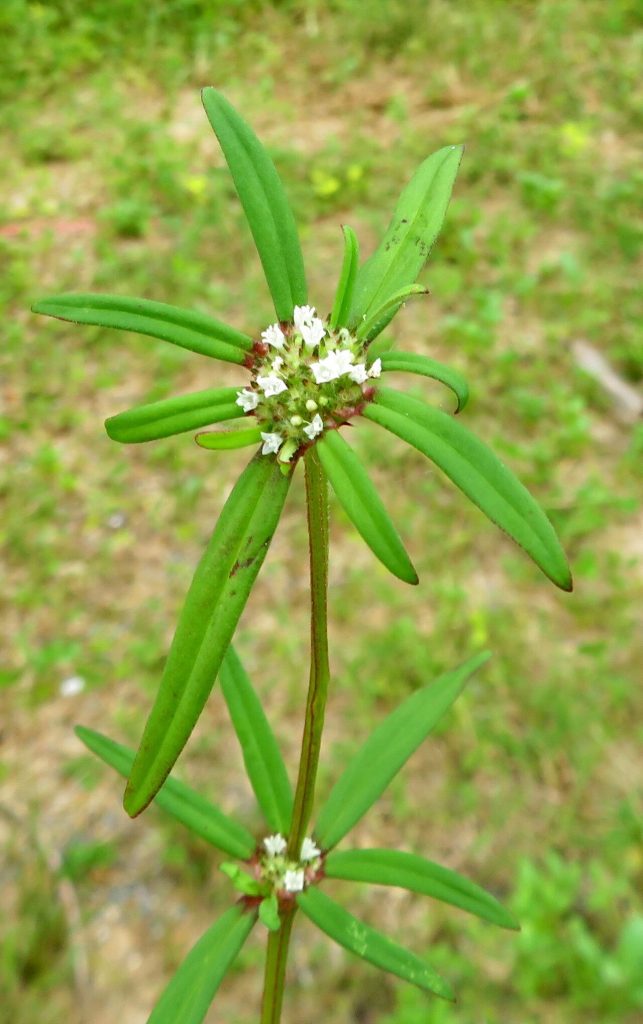
Spermacoce pusilla, commonly known as Borreria pusilla or Buttonweed, is a low-growing, spreading herb appreciated for its delicate, white flowers and its ability to form attractive ground cover. Its compact habit and tolerance for various conditions make it a popular choice among gardeners, particularly for filling in gaps in sunny areas or stabilizing soil. However, propagating this seemingly unassuming plant can present unique challenges. This article explores various propagation methods for Spermacoce pusilla, detailing their successes and setbacks.
Seed Germination
Currently, there are no known reliable methods for seed germination propagation of Spermacoce pusilla. While the plant does produce seeds, their germination rate is reportedly very low, and successful germination under controlled conditions hasn’t been widely documented. Further research into specific seed treatment methods (such as scarification or pre-soaking) may be needed to unlock this propagation route.
Cuttings
Cuttings offer a more promising approach to propagating Spermacoce pusilla.
Challenges: Taking and rooting cuttings requires a delicate touch. Using too-young or too-old stems can negatively impact success rates. Maintaining high humidity and preventing fungal infections are crucial.
Practical Tips: Softwood cuttings taken in spring or summer are most successful. Dip the cut ends in rooting hormone powder before planting them in a well-draining, moist propagation mix (e.g., a blend of peat moss and perlite). Cover the cuttings with a plastic dome or humidity tent to maintain consistently high humidity levels (around 70-80%). Keep the propagation mix consistently moist but not waterlogged. Regularly misting the cuttings is also beneficial.
Rewards: Cuttings offer a rapid propagation method, preserving the genetic characteristics of the parent plant. This makes this method ideal for maintaining specific cultivars.
Division
Division is a relatively straightforward method for propagating established Spermacoce pusilla plants.
Challenges: This method isn’t suitable for young plants. Mature plants need to be sufficiently large to allow for successful division without harming the parent plant too significantly.
Practical Tips: Divide the plant in early spring or late autumn when it is actively growing or emerging from dormancy. Gently separate the plant into several sections, each with its own roots and stems. Replant each section immediately into well-prepared substrate. Water thoroughly after planting and provide adequate shade until the plants have reestablished themselves.
Rewards: Division is a quick and reliable way to increase the number of plants and is relatively low-effort. It provides a faster multiplication rate compared to cuttings for established plants.
Tissue Culture
Tissue culture offers the potential for large-scale propagation of Spermacoce pusilla, but it requires specialized equipment, aseptic techniques, and expertise in plant tissue culture.
Challenges: Establishing aseptic conditions is challenging and requires specialized equipment and training. Optimizing the growth media composition and hormonal levels for Spermacoce pusilla may require substantial experimentation.
Practical Tips: Employ well-established sterile laboratory procedures. Experiment with various media formulations containing cytokinins and auxins to optimize shoot multiplication and rooting. Acclimatization of plantlets to greenhouse conditions can also present challenges.
Rewards: Tissue culture allows for the rapid multiplication of genetically identical plants, making it ideal for mass propagation and conservation efforts. It also allows the production of disease-free plants.
Conclusion
Propagating Spermacoce pusilla, while possibly challenging depending on the chosen method, provides a rewarding experience for gardeners. While seed germination remains unreliable, cuttings and division offer viable methods for most home cultivators. Tissue culture holds the promise of mass propagation, but requires specialist knowledge. The unique satisfaction derived from successfully nurturing these delicate plants from cuttings or divisions outweighs the small difficulties involved. Don’t be discouraged by initial setbacks; consistent effort and attention to detail will significantly increase your success rate in cultivating this delightful ground cover. Embrace the experimentation – each attempt will bring you closer to mastering the art of propagating Spermacoce pusilla.