
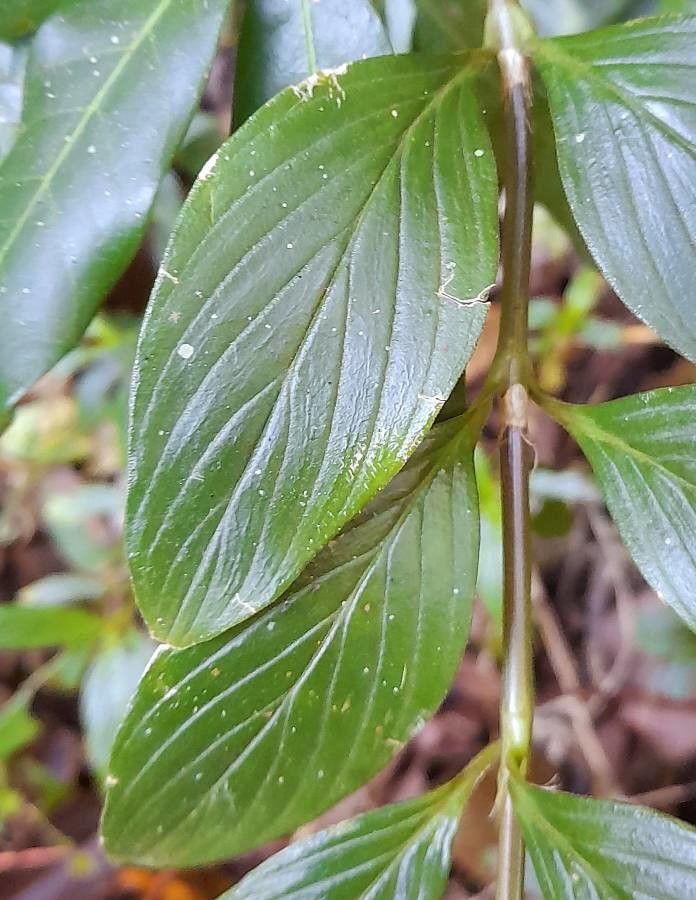
From One to Many: The Easy Guide to Propagating Spermacoce valens
Spermacoce valens, also known as “Buttonweed” or “Button Bush,” is a vibrant ground cover well-loved for its cheerful, tiny white flowers. Its dense foliage and rapid growth make it a perfect choice for filling in empty spaces in your garden or even adding a splash of green to your home. But what if you want to share this beauty with friends or simply multiply your existing plants? Enter the wonderful world of propagation!
The Basics of Propagation:
Propagation is the process of creating new plants from existing ones. This can be done in several ways, but with Spermacoce valens, the most effective and accessible methods are stem cuttings and seed propagation.
Stem Cuttings: A Quick and Easy Method
Stem cuttings are one of the easiest ways to propagate Spermacoce valens. Here’s how:
- Choose the right stems: Select healthy, non-flowering stems that are about 4-6 inches long.
- Prepare the cutting: Use a sharp knife or scissors to make a clean cut just below a leaf node (the point where a leaf grows from the stem).
- Remove lower leaves: Strip off the lower leaves to prevent rotting.
- Dip in rooting hormone (optional): Dipping the cut end in rooting hormone can help encourage root growth.
- Plant the cutting: Insert the cutting into a small pot filled with well-draining potting mix. Keep the soil moist but not soggy.
- Provide humidity: Cover the pot with a plastic bag or dome to create a humid environment that promotes root development.
- Patience is key: Place the cutting in a bright, indirect light location and be patient. Roots should start developing within a few weeks.
- Transition to normalcy: Once roots are established, gradually acclimate your new plant to outdoor conditions or a regular indoor growing space.
Seed Propagation: A Rewarding Journey
While a bit more time-consuming, seed propagation can be incredibly rewarding, allowing you to see the complete life cycle of Spermacoce valens unfold.
- Collect seeds: Collect ripe seeds from mature seed pods.
- Prepare the seed bed: Fill a seed tray or small pot with a well-draining seed-starting mix.
- Sow the seeds: Scatter seeds thinly over the surface of the soil and lightly press them in.
- Keep warm and moist: Cover the tray or pot with a plastic dome and maintain a temperature of 70-75°F. Water lightly, ensuring the soil remains consistently moist.
- Thin seedlings: Once true leaves appear, thin out seedlings to give them ample space to develop.
- Transplant: When seedlings are a few inches tall, transplant them into individual pots or directly into the ground.
Tips for Success:
- Choose the right season: Propagation is generally most successful in the spring or summer when the weather is warm and there’s plenty of sunlight.
- Water consistently: Spermacoce valens thrives in moist soil, so make sure to water regularly without overwatering.
- Provide adequate light: Plenty of bright, indirect light is crucial for successful propagation.
- Choose a well-draining potting mix: Avoid using dense soil as it can easily become waterlogged and damage roots.
- Enjoy the process! Propagating Spermacoce valens is a rewarding process that can be enjoyed by gardeners of all levels.