
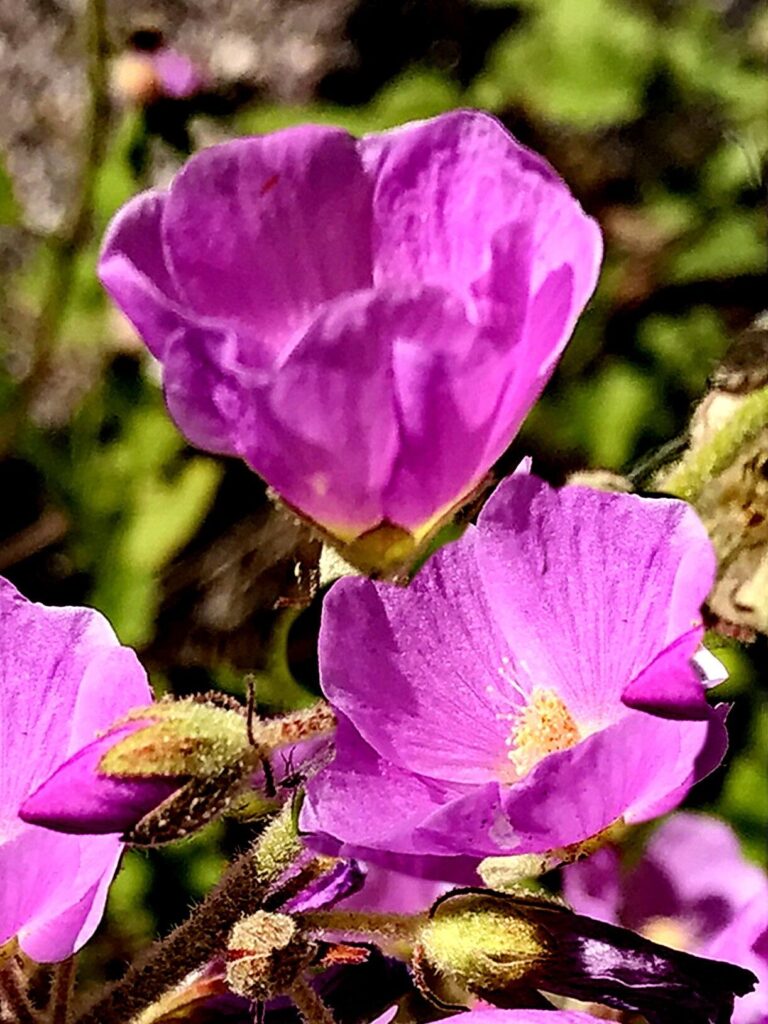
Propagating Sphaeralcea fendleri: A Gardener’s Guide to the Apricot Mallow
Introduction:
Sphaeralcea fendleri, commonly known as Fendler’s globemallow or apricot mallow, is a captivating native North American perennial prized for its vibrant apricot-orange flowers and drought-tolerant nature. Its charming, cup-shaped blooms grace the landscape throughout the summer, attracting pollinators and adding a burst of color to xeriscapes and native plant gardens. Its relative ease of cultivation once established contributes to its growing popularity among gardeners. However, propagating Sphaeralcea fendleri presents unique challenges, making successful propagation a rewarding endeavor.
Seed Germination:
Seed germination for Sphaeralcea fendleri is viable, but success is not guaranteed and can be inconsistent.
Challenges: Seed dormancy is a significant hurdle. The hard seed coat can impede water uptake, hindering germination. Inconsistent germination rates are common, even under optimal conditions.
Practical Tips: Scarification (nicking the seed coat) or pre-soaking seeds in warm water for 24 hours before sowing can improve germination rates. Sowing seeds directly outdoors in the fall (in regions experiencing winter chilling) or starting seeds indoors in late winter under bright, cool conditions (around 65-70°F) is recommended. Well-draining seed-starting mix is essential. Stratification may improve germination but is not consistently required.
Rewards: Successfully germinating seeds offers the advantages of genetic diversity within a population and the potential to produce a large number of plants relatively inexpensively.
Cuttings:
Cuttings propagation is a relatively successful method for Sphaeralcea fendleri.
Challenges: Rooting success varies depending on the timing of the cuttings (optimal times include spring and early summer) and the conditions provided, including humidity and temperature. Use of rooting hormone can significantly improve success rates.
Practical Tips: Take semi-hardwood cuttings (about 4-6 inches long) from new growth, removing lower leaves before dipping the cut ends in rooting hormone. Plant in a well-draining propagation mix and maintain high humidity (using a humidity dome or plastic bag) in a bright, but not directly sunny, location. Consistent moisture is crucial but avoid overwatering which can lead to rot.
Rewards: This method allows for quicker establishment of new plants compared to seed propagation while preserving the exact genetic characteristics of the parent plant.
Division:
Division is a straightforward method for Sphaeralcea fendleri.
Challenges: This technique is best suited for established plants and may stress the parent plant if improperly handled. Division is only feasible during the dormant season (typically late fall or early spring).
Practical Tips: Dig up the mature plant carefully, separating it into smaller sections, each with its own root system and several stems. Replant the divisions immediately, ensuring proper spacing and watering.
Rewards: Allows for rapid increase in the number of plants with minimal effort and is suitable for maintaining desirable traits of parent plants.
Tissue Culture:
Currently, there are no widely published or readily available protocols for tissue culture propagation of Sphaeralcea fendleri. While theoretically possible, it requires specialized equipment, expertise, and sterile conditions, therefore not suitable for the average home gardener.
Conclusion:
Propagating Sphaeralcea fendleri, while achievable through seed, cuttings, and division, presents unique challenges across each method. Seed germination requires patience and attention to detail, while cuttings demand diligent humidity management. Division, while relatively simple, is limited to established plants. The rewards, however, are well worth the effort – the satisfaction of nurturing a small cutting into a vibrant, flowering plant or germinating a tiny seed into a flourishing specimen is unmatched. The striking beauty of Sphaeralcea fendleri makes the sometimes-difficult propagation process a worthwhile pursuit for any gardener passionate about native plants. Don’t let the challenges discourage you— experiment, learn from your mistakes, celebrate your successes, and enjoy the journey of cultivating this beautiful and resilient plant.