
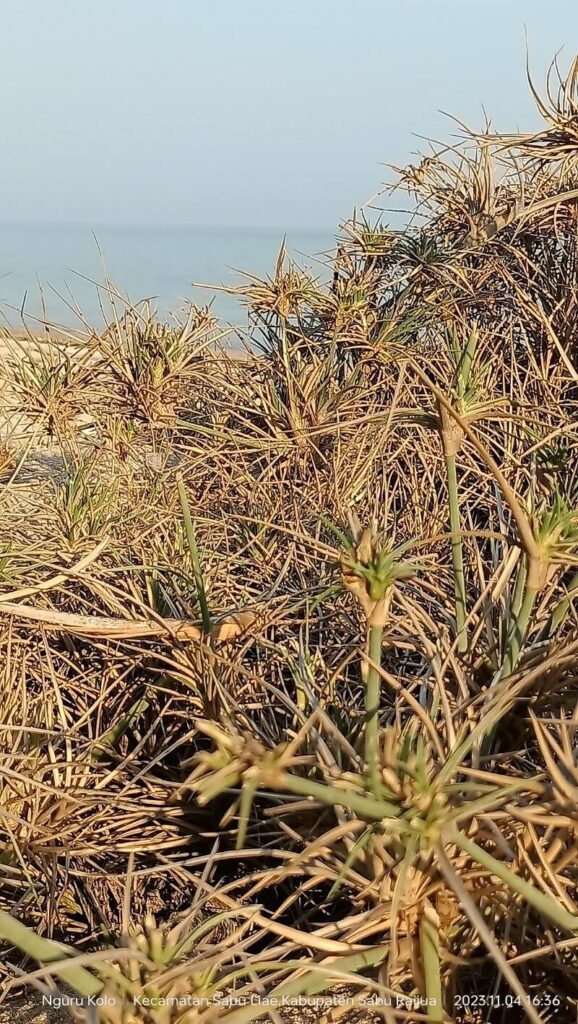
Taming the Sand: Propagating Spinifex littoreus, Nature’s Beach Stabilizer
Spinifex littoreus, also known as Coastal Spinifex, is a rugged and resilient plant found along the coastlines of Australia and other parts of the world. This tough grass, often sporting a messy, spiky appearance, is a crucial player in coastal ecosystems, providing valuable sand stabilization and a haven for wildlife. But did you know that you can grow this remarkable plant yourself? While it may seem like a daunting challenge, propagating Spinifex littoreus is actually surprisingly easy. Here’s a guide to help you bring a piece of the coast to your home.
Why Propagate Spinifex?
Beyond its ecological significance, Spinifex provides a unique texture and earthy charm to any garden. Its silver-green foliage and distinctive growth habit can add visual interest to sandy areas, coastal gardens, or even drought-tolerant landscapes. It’s also an excellent choice for attracting native fauna, particularly insects and small mammals.
The Key to Success: Seeds & Shoots
Spinifex can be propagated through two main methods:
1. Seeds:
Spinifex produces abundant seeds encased in hard, spiky burs. The process of collecting these burs and extracting the seeds can be a bit tricky, but the reward is high. Here’s how you can achieve it:
- Harvest: Seek mature, brown burs that have fallen from the plant.
- Extraction: Gently break open the burs, releasing the seeds.
- Soaking: Soak the seeds in warm water for 24 hours to soften the seed coat.
- Sowing: Sow seeds directly into a well-drained sandy soil mix in a pot or tray. Keep the soil consistently moist.
2. Shoots:
If you have access to established Spinifex plants, you can also propagate them through cuttings of their above-ground shoots.
- Selection: Choose healthy, vigorous shoots that are about 10-15 cm long.
- Preparation: Cut just below a node, the point where leaves grow from the stem.
- Planting: Plant the cutting in a pot filled with well-drained sandy soil.
- Watering: Keep the soil consistently moist and give the cuttings plenty of sunlight.
A Few Tips for Success:
- Sunlight: Spinifex thrives in full sun, so choose a location that receives at least six hours of direct sunlight per day.
- Drainage: Spinifex requires well-drained soil; adding sand or gravel to your soil mix will help improve drainage.
- Watering: While Spinifex is drought tolerant, it needs consistent watering during the initial stages of growth until it’s established.
- Patience: It may take several weeks or even months for Spinifex seeds or cuttings to sprout and begin growing.
Bringing the Coastal Spirit Home:
By embracing the process of propagation, you can bring a piece of the coastal landscape into your own garden, enriching your space with the resilience and beauty of Spinifex littoreus. Its ability to thrive in tough conditions makes it a testament to the adaptability of nature and a valuable addition to any environmentally conscious garden. So get your hands dirty and experience the magic of growing this unique and resilient plant.