
Rescuing a Rarity: Propagating the Ute Lady’s Tresses Orchid
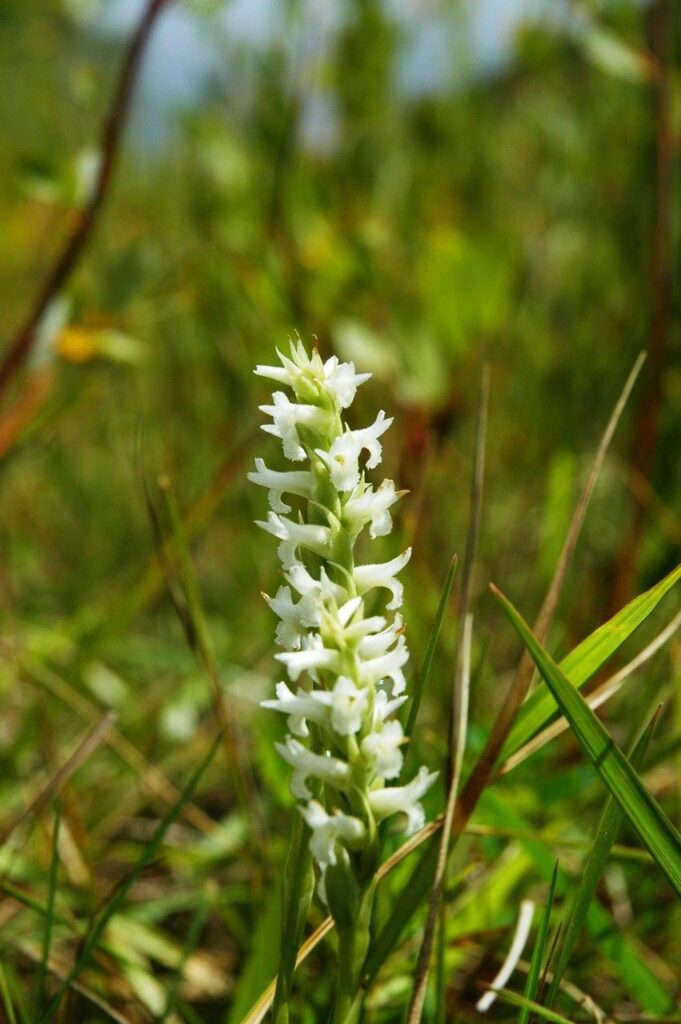
The Ute Lady’s Tresses orchid ( Spiranthes diluvialis) isn’t your typical flamboyant orchid. It’s subtle, elegant, and sadly, increasingly rare. This delicate beauty, with its spiraling white flowers reminiscent of braided hair, is found in only a handful of western states, facing threats from habitat loss and degradation. But there’s hope! Propagation efforts are underway to secure the future of this precious plant.
Understanding the Challenges
Propagating Spiranthes diluvialis is no walk in the park. This orchid is notoriously finicky about its growing conditions. It thrives in specific wetland habitats like wet meadows and fens, relying on precise soil moisture, sunlight, and fungal associations. Simply transplanting it is usually not successful.
Seeds of Hope: A Challenging Path
Producing new Ute Lady’s Tresses plants from seed is incredibly complex. The tiny seeds lack an endosperm, the nutrient-rich tissue found in most seeds. To germinate, they require a symbiotic relationship with specific mycorrhizal fungi found in their natural habitat. These fungi provide the essential nutrients needed for growth.
While challenging, researchers are making progress with in-vitro seed germination. This method involves carefully recreating the orchid’s natural environment in a laboratory setting. Scientists are working to identify and cultivate the specific fungal strains needed for successful germination and early seedling development.
Divisions: Sharing the Bounty
For existing, healthy populations of Spiranthes diluvialis, division offers another propagation method. This technique involves carefully separating a mature plant into smaller sections, each with its own root system and growth point. This process is best done in early spring or fall when the plant is dormant.
Division, however, requires expert knowledge. It’s crucial to minimize stress on the parent plant and ensure each division has a good chance of survival. It’s not a quick fix, and it’s essential to remember that divisions only propagate existing genetic material, not new plants with increased genetic diversity.
The Bigger Picture: Beyond Propagation
While successful propagation is crucial for the Ute Lady’s Tresses orchid, it’s only one piece of the puzzle. Protecting and restoring its wetland habitats are equally important. This means reducing pollution and invasive species, managing water resources responsibly, and raising public awareness about this rare beauty and its ecological importance.
Getting Involved: How You Can Help
Even if you’re not a scientist or botanist, there are ways to contribute to the conservation of Spiranthes diluvialis:
- Support Conservation Organizations: Donate or volunteer with organizations dedicated to preserving plant biodiversity and protecting endangered species.
- Plant Native Species: Create pollinator-friendly landscapes by choosing native plants for your garden. Consult with local experts for species recommendations in your area.
- Spread the Word: Share information about the Ute Lady’s Tresses orchid and the importance of plant conservation with friends and family.
The delicate beauty of the Ute Lady’s Tresses orchid serves as a gentle reminder of the intricate web of life we’re all part of. By supporting research, conservation efforts, and responsible environmental stewardship, we can ensure that this rare gem continues to grace our planet for generations to come.