
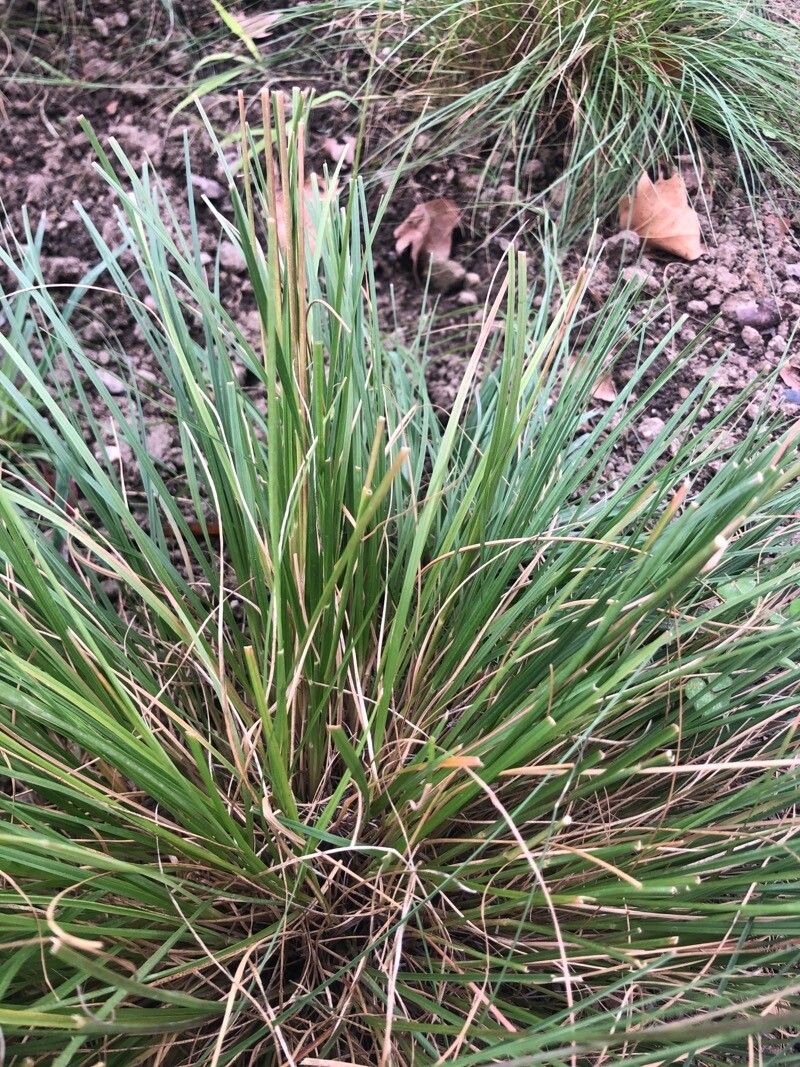
From Seed to Success: Propagating the Showy Sporobolus heterolepis
The graceful plumes of Sporobolus heterolepis, commonly known as Prairie Dropseed, are a sight to behold. This native grass, with its delicate, golden-bronze seedheads, brings a touch of wild beauty to any landscape. But how do you bring more of this stunning grass into your garden? The answer lies in propagation.
While Sporobolus heterolepis can be purchased as a plant, there’s a sense of accomplishment that comes with growing it from seed or dividing existing plants. Let’s dive into both methods, offering you the knowledge to create a thriving patch of this delightful grass.
Starting from Seed: A Journey of Patience
Growing Sporobolus heterolepis from seed is a rewarding, though slightly more challenging, method.
- Timing is Key: Sow seeds indoors 6-8 weeks before the last frost in your region. This gives them a head start and allows them to establish strong roots before outdoor temperatures warm up.
- The Right Soil Mix: Use a seed starting mix that drains well, as Sporobolus heterolepis prefers a light, sandy soil. Fill seed trays or individual pots, lightly sprinkle the seeds on the surface, and cover them with a thin layer of soil. Keep the mix consistently moist.
- The Waiting Game: Germination can take anywhere from 10-21 days, so be patient. Keep the seedlings in a warm, sunny location, ideally under grow lights for consistent light exposure.
- Transitioning Outdoors: Once seedlings have developed a few true leaves, they can be gradually hardened off by placing them outdoors for increasing periods of time. Once the threat of frost has passed, transplant them into their permanent location, spacing them about 1-2 feet apart.
Divide and Conquer: A Quicker Method
Dividing existing clumps of Sporobolus heterolepis is a quicker route to expanding your prairie dropseed collection.
- Timing Matters: The best time for dividing is in the early spring, before new growth begins.
- The Division Process: Carefully dig up a mature clump, being sure to preserve as much root structure as possible. Use a sharp knife or shovel to divide the clump into smaller sections, each with healthy roots and multiple shoots.
- Planting the Divisions: Plant these new divisions in well-drained soil, spacing them according to the plant’s growth habit. Water them thoroughly.
Tips for Success:
- Full Sun: Sporobolus heterolepis thrives in full sun, needing at least 6 hours of direct sunlight daily.
- Well-Drained Soil: This grass is intolerant of wet conditions and prefers a well-draining soil mix.
- Moderate Watering: Once established, it’s drought-tolerant, but regular watering, especially during dry periods, will help it thrive.
- Minimal Maintenance: Sporobolus heterolepis requires minimal maintenance. It can be cut back to the ground in late winter or early spring before new growth emerges.
Beyond the Garden:
Sporobolus heterolepis is more than just a stunning ornamental grass. It plays an essential role in supporting natural ecosystems. Its seeds provide food for birds and small mammals, while its roots stabilize soil and prevent erosion.
By propagating Sporobolus heterolepis, you’re not just adding beauty to your garden, you’re also contributing to biodiversity and supporting a healthy environment. So, embark on your propagation journey, watch your plants flourish, and enjoy the natural beauty of this remarkable grass.