
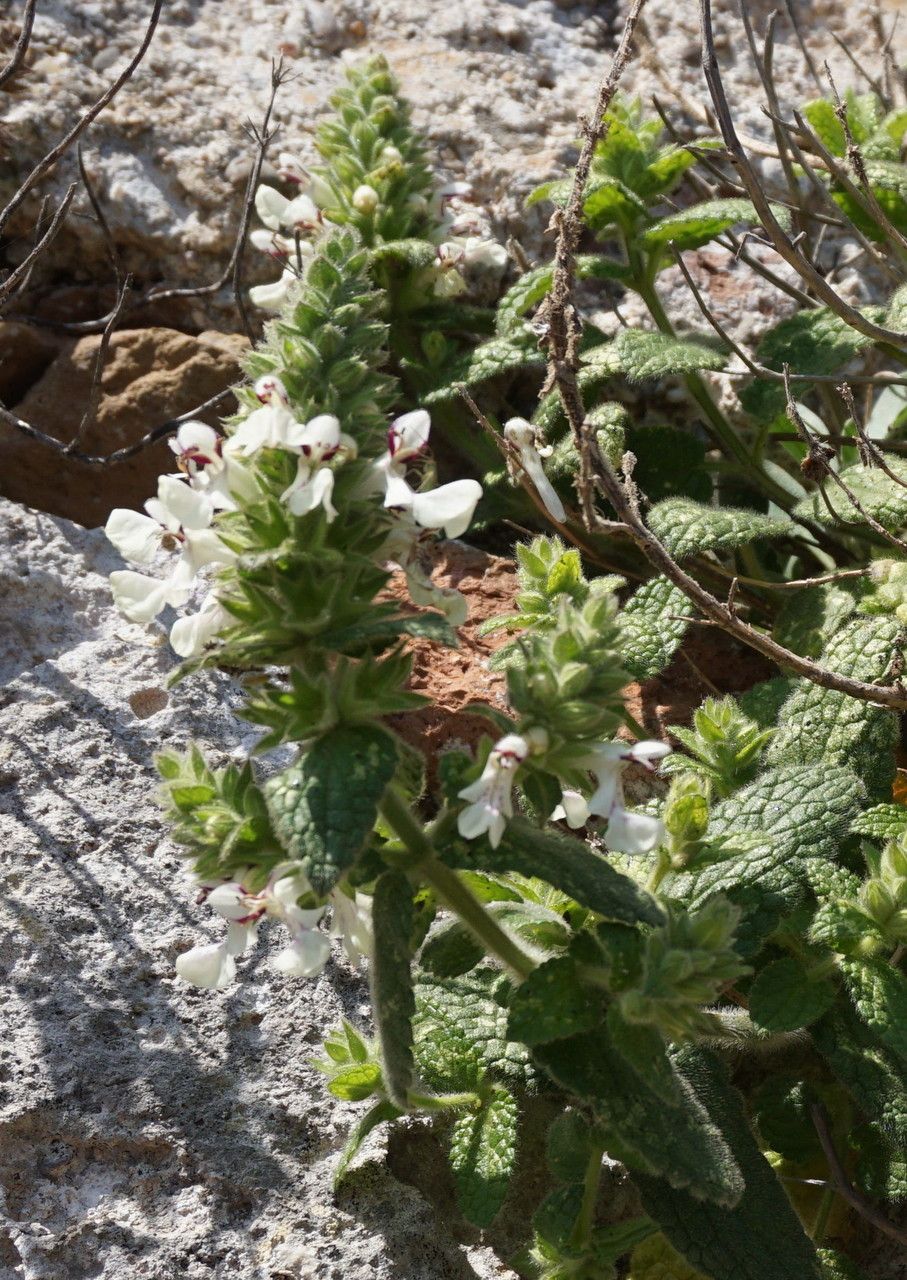
Unleashing a Symphony of Silver: Propagating the Wooly Woundwort
The gardening world embraces a diverse palette of greens, but sometimes, a touch of silver adds an unparalleled elegance. Enter Stachys canescens, also known as the Wooly Woundwort. This captivating perennial, with its velvety silver leaves and charming purple blooms, isn’t just a visual treat; it’s remarkably easy to propagate! Whether you’re a seasoned gardener or just starting, here’s your guide to multiplying your Wooly Woundwort and turning your garden into a silvery sanctuary.
Understanding the Basics
Before we delve into the techniques, let’s understand what makes Stachys canescens a propagation champ. This resilient plant can be propagated through various methods:
Division: The most straightforward and effective method, especially for established plants.
Seed Sowing: While possible, it can be more time-consuming and may not always guarantee plants identical to the parent.
- Cuttings: A viable option, particularly for softwood cuttings taken in late spring or early summer.
Division: Separating Success
Timing is Key: Early spring, just as new growth emerges, or late summer after flowering are ideal times for division.
The Dig and Divide: Carefully lift the entire plant from the ground using a garden fork. Gently tease apart the root ball into smaller sections, ensuring each division has a healthy portion of roots and shoots.
- Replanting with Care: Choose a sunny or partially shaded location with well-drained soil. Replant the divisions at the same depth they were originally growing. Water thoroughly and mulch around the base to retain moisture.
Seed Sowing: Patience is a Virtue
Starting Indoors: Sow seeds in seed trays filled with seed-starting mix about 6-8 weeks before the last expected frost. Lightly cover the seeds and keep the soil consistently moist.
- Transplanting Time: Once the seedlings are large enough to handle and the risk of frost has passed, gradually harden them off by introducing them to outdoor conditions for increasingly longer periods. Transplant into individual pots or directly into the garden.
Cuttings: Snipping for Success
Choosing the Right Cuttings: In late spring or early summer, take 4-6 inch cuttings from healthy, non-flowering stems. Remove the lower leaves, leaving 2-3 pairs at the top.
Creating the Ideal Environment: Dip the cut end in rooting hormone (optional but helpful) and plant the cuttings in a well-draining potting mix. Maintain a humid environment by covering the pot with a clear plastic bag or using a propagator.
- Rooting and Beyond: Once the cuttings have developed roots (usually in a few weeks), gradually acclimate them to normal conditions before transplanting.
Nurturing Your New Additions
No matter your chosen propagation method, providing the right care is essential for success:
- Watering: Keep the soil consistently moist but not waterlogged, especially during the first growing season.
- Sunlight: Ensure your plants receive at least 4-6 hours of sunlight daily.
- Fertilizing: Feed with a balanced fertilizer in spring to encourage healthy growth.
By following these simple steps, you’ll have a symphony of silvery Wooly Woundwort gracing your garden. Not only will you enjoy their beauty, but you’ll also experience the satisfaction of successfully propagating these remarkable plants. So, go ahead, unleash your inner gardener, and let the propagation adventure begin!