
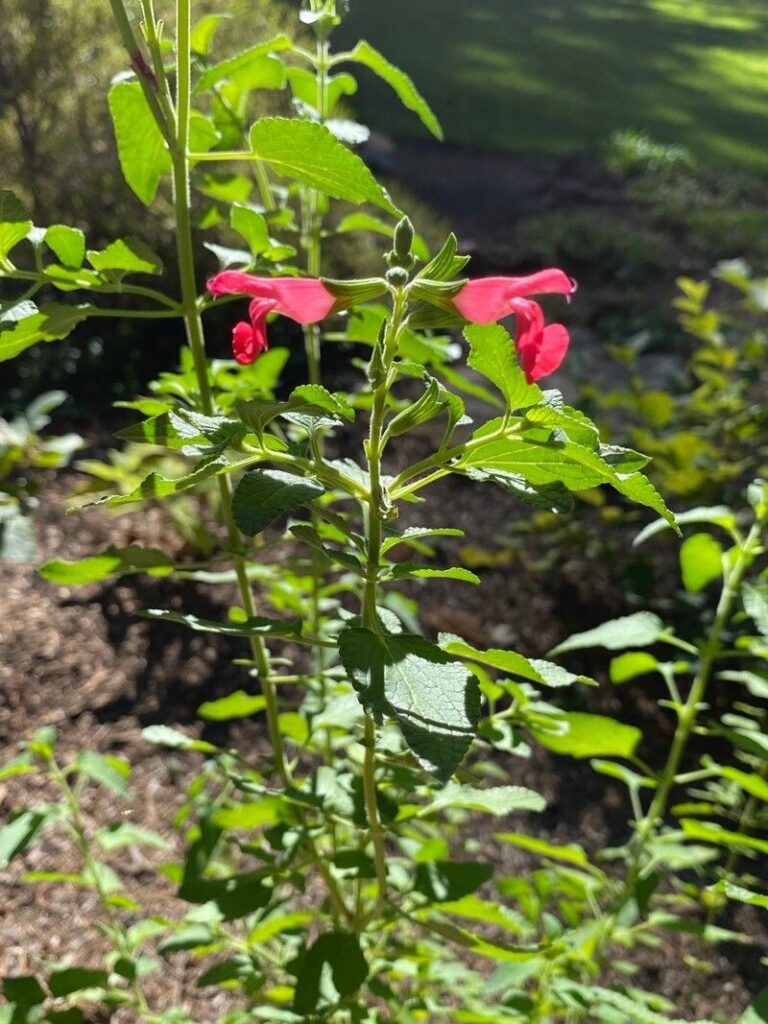
Igniting the Garden with Scarlet Flames: Propagating the Hummingbird Mint
Stachys coccinea, affectionately known as Hummingbird Mint or Scarlet Betony, is a garden gem prized for its vibrant scarlet blooms and ability to draw in hummingbirds like tiny, winged magnets. If you’re lucky enough to have this fiery beauty in your garden, you might be wondering how to get more of it. Luckily, propagating Stachys coccinea is a relatively straightforward process, allowing even novice gardeners to spread the crimson cheer. Let’s explore the two most effective methods:
1. Division: A Spring Ritual for Abundant Blooms
Spring, as the garden awakens from its slumber, is the ideal time to divide your established Stachys coccinea clumps. This not only keeps the plants healthy and vigorous but also provides you with new plants to expand your flower patch or share with friends. Here’s how:
- Prepare the Stage: Choose a cool, overcast day for this task to minimize stress on the plant. Water the Stachys coccinea a day or two before division.
- Unearth and Divide: Carefully dig up the entire clump using a garden fork or shovel, ensuring you get as much of the root system as possible. Gently tease apart the clump into smaller sections, making sure each section has a good amount of roots and shoots.
- Replant and Nourish: Replant your divisions immediately in well-draining soil and water them deeply. If you’re transplanting in a different location, amend the soil with compost for a nutritional boost.
2. Taking Cuttings: Multiplying the Magic with Stems
While division is best done in spring, cuttings can be taken throughout the growing season, giving you more flexibility. This method involves encouraging root development from stem sections:
- Choose Wisely: Select healthy, non-flowering stems, preferably from the current year’s growth.
- Make the Cut: Using a sharp, clean knife or pruning shears, take a 4-6 inch cutting just below a leaf node (the point where the leaf attaches to the stem). Remove the lower leaves, leaving 2-3 pairs at the top.
- Encourage Roots: Dip the cut end in rooting hormone (optional but helpful) and plant it in a pot filled with a well-draining potting mix.
- Create a Humid Environment: Cover the pot with a clear plastic bag or place it in a propagation chamber to maintain humidity. Keep the soil consistently moist but not waterlogged.
- Wait and Watch: After several weeks, gently tug on the cutting. Resistance indicates root development. Once the roots are established, you can transplant the cutting into a larger pot or directly into your garden.
Tips for Success:
- Well-Drained Soil is Key: Stachys coccinea is susceptible to root rot in waterlogged conditions, so ensure good drainage in both garden beds and pots.
- Sun-Drenched Location: While these plants can tolerate some shade, they thrive in full sun, which promotes more vigorous growth and flowering.
- Deadheading Delight: Regularly deadheading spent blooms encourages continuous flowering and prevents self-seeding, which can lead to overcrowding.
By embracing these propagation methods, you can easily multiply your Stachys coccinea, creating a breathtaking spectacle of scarlet blooms that will not only beautify your garden but also beckon hummingbirds to your little slice of paradise.