
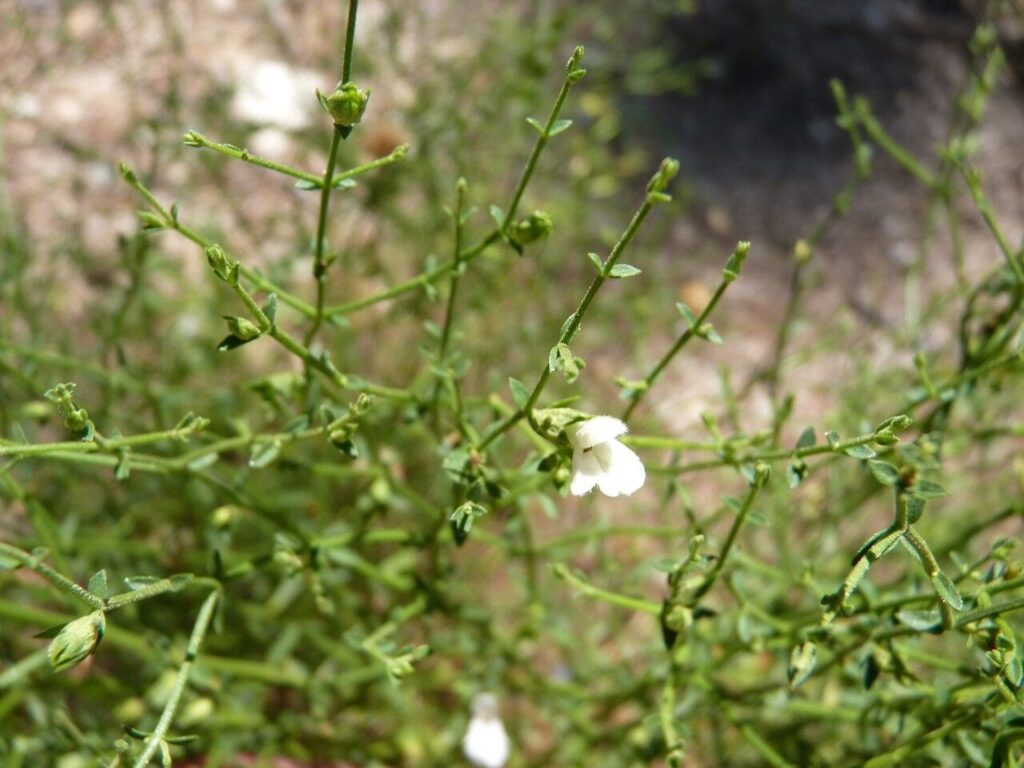
Sticky Success: Unlocking the Secrets of Propagating Stachys Glutinosa
The world of gardening is full of unusual and beautiful plants, and Stachys glutinosa, also known as the Sticky Hedgenettle or the Jupiter’s Distaff, is no exception. This Mediterranean native captivates with its delicate, two-toned pink flowers and unique, sticky stems. But did you know this intriguing plant is also surprisingly easy to propagate? Let’s unlock the secrets of inviting more Stachys glutinosa into your garden.
Understanding the Plant
Before we delve into propagation, it’s helpful to understand the Stachys glutinosa a little better. This perennial thrives in well-drained soil and enjoys full sun to partial shade. Its sticky stems are a defining feature, hence the name “glutinosa,” and they lend a textural intrigue to the garden. But the real showstopper is the cascade of pink flowers that emerge in the summer, attracting pollinators and adding a touch of delicate charm.
Three Avenues to Propagation Success
Propagating Stachys glutinosa is an adventure with multiple paths – each offering a different approach to expanding your plant family.
-
Seed Starting:
- Timing is Key: Collect Stachys glutinosa seeds in the fall after the flowers have faded and the seed heads have dried.
- Sowing the Future: In spring, sow the seeds in a seed starting mix, lightly pressing them into the damp soil.
- Patience is a Virtue: Germination can take a few weeks. Provide consistent moisture and a warm, bright location out of direct sunlight.
-
Taking Cuttings:
- The Cutting Edge: In late spring or early summer, take 4-6 inch cuttings from healthy, non-flowering stems.
- Creating the Right Environment: Remove the lower leaves and dip the cut end in rooting hormone (optional but helpful). Plant the cuttings in a well-draining potting mix.
- Nurturing New Roots: Keep the cuttings consistently moist and in a warm, humid environment. A humidity dome or covering the pot with a plastic bag can aid in this process. Rooting typically takes several weeks.
- Division:
- The Power of Division: Every few years, usually in spring or fall, Stachys glutinosa can be divided.
- Gentle Separation: Carefully dig up a mature plant and gently tease apart the root ball into smaller sections, ensuring each division has a healthy amount of roots and shoots.
- Replanting for Success: Replant the divisions at the same depth they were originally growing, water well, and enjoy their quick establishment.
Nurturing Your Propagated Plants
Whether you choose to start from seed, cuttings, or divisions, young Stachys glutinosa require consistent care, particularly in their first year:
- Watering Wisely: Maintain consistent moisture, especially during dry periods, but avoid overwatering which can lead to root rot.
- Feeding for Growth: Fertilize regularly during the growing season with a balanced, diluted fertilizer.
- Protection from Pests: While generally pest-free, be vigilant for common garden pests and address them promptly if they arise.
Reaping the Rewards
With a little patience and care, you’ll be rewarded with an abundance of Stachys glutinosa to grace your garden beds, borders, or even containers. Their unique beauty and intriguing texture make them a conversation starter, and knowing you propagated them yourself adds an extra layer of satisfaction to your gardening journey. So go ahead, get sticky with it, and enjoy the captivating charm of Stachys glutinosa!