
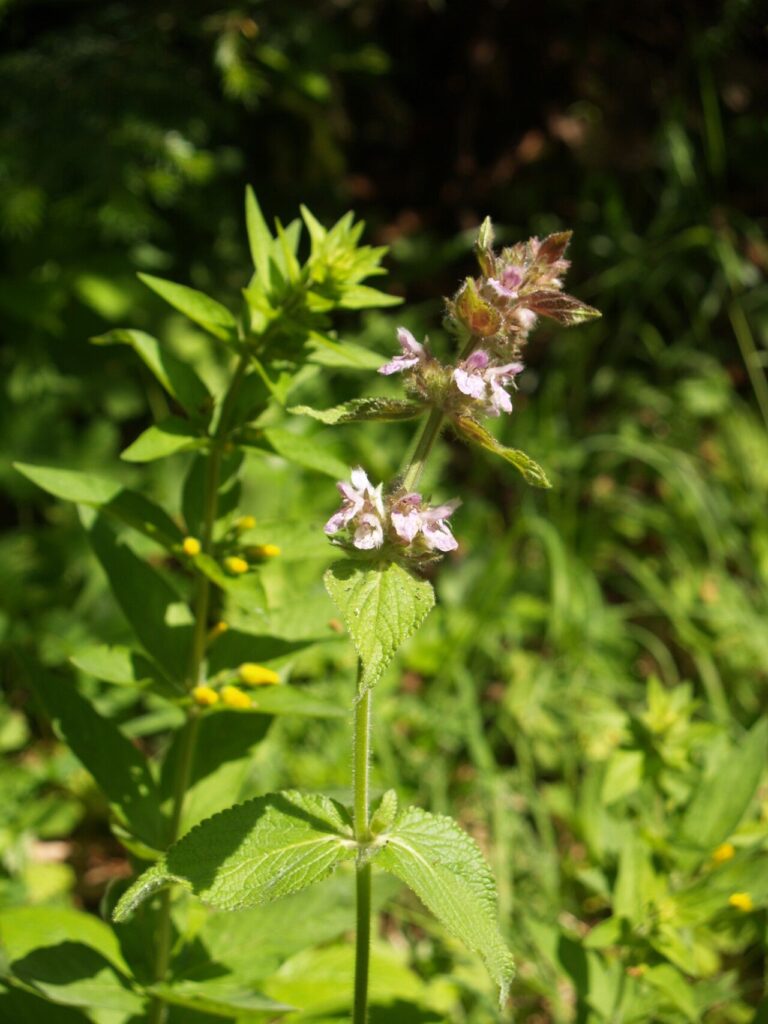
Propagating Lamb’s Ear (Stachys byzantina): A Gardener’s Guide
Introduction:
Stachys pilosa, commonly known as lamb’s ear (although this common name is often more correctly applied to Stachys byzantina), is a highly prized ornamental plant beloved by gardeners for its velvety, silvery-grey leaves. These leaves, soft to the touch, provide a unique textural contrast in borders, rock gardens, or as ground cover. Its relatively low maintenance requirements and drought tolerance add to its appeal. While readily available commercially, propagating lamb’s ear offers a rewarding experience, allowing gardeners to expand their existing plants or share this delightful species with others. However, its propagation presents some unique challenges.
Seed Germination:
Currently, there are no known reliable methods for seed germination propagation of Stachys pilosa (and Stachys byzantina has similar issues). While seeds may occasionally be produced, germination rates are notoriously low and unpredictable, making this method impractical for most gardeners. Further research into specific seed germination techniques for this plant may yield results in the future.
Cuttings:
Challenges: Rooting cuttings of Stachys species can be somewhat challenging. The success rate depends on factors such as the age and health of the parent plant, the time of year, and the technique employed.
Practical Tips: The best results are obtained using stem cuttings. Take 4-6 inch cuttings from healthy, non-flowering stems in spring or early summer. Remove lower leaves, dip the cut ends in rooting hormone, and plant in a well-draining potting mix. Keep the cuttings moist but not soggy, utilizing a humidity dome or plastic bag to maintain humidity levels. A slightly warm (but not hot) environment is beneficial.
Rewards: Cuttings offer a relatively quick and efficient way to increase the number of plants, maintaining the exact genetic characteristics of the parent plant.
Division:
Challenges: Dividing established lamb’s ear plants is straightforward but should be done carefully to avoid damaging the roots. Overcrowding of the parent plant is a major issue if propagation is not done.
Practical Tips: The best time to divide Stachys is in spring or fall. Dig up the entire plant, gently separate the clumps, ensuring each division has healthy roots and several stems. Replant the divisions immediately, ensuring good soil contact and watering them well.
Rewards: Division is arguably the easiest and most reliable method of propagating lamb’s ear, offering a high success rate and allowing the gardener to easily increase the number of plants.
Tissue Culture:
Challenges: Tissue culture is a complex and specialized technique requiring a controlled environment, sterile conditions, and specialized media and equipment. This method is generally not feasible for the average home gardener.
Practical Tips: Successful tissue culture requires expertise and laboratory facilities. Sterilizing the plant material, selecting the appropriate growth media, and maintaining a contamination-free environment are crucial.
Rewards: Tissue culture offers the potential for large-scale propagation, producing a high number of genetically identical plants. This method also provides the opportunity to eliminate diseases, enabling production of disease-free plants.
Conclusion:
Propagating Stachys pilosa presents challenges, with seed propagation proving unreliable. However, vegetative propagation methods such as cuttings and division provide more reliable and accessible options for the home gardener. Though division presents the easiest route, mastering the art of cuttings offers a unique satisfaction. While tissue culture remains primarily a specialized technique, its potential for large-scale propagation shouldn’t be discounted for commercial nurseries. The success of propagating lamb’s ear, regardless of the chosen method, is a testament to patience and attention to detail. The soft, velvety touch of a plant grown from a cutting or division is a reward far exceeding the effort involved, offering a deeply satisfying connection with the natural world. Don’t be discouraged by initial setbacks – experimentation and perseverance will ultimately lead to success in cultivating this treasured plant.