
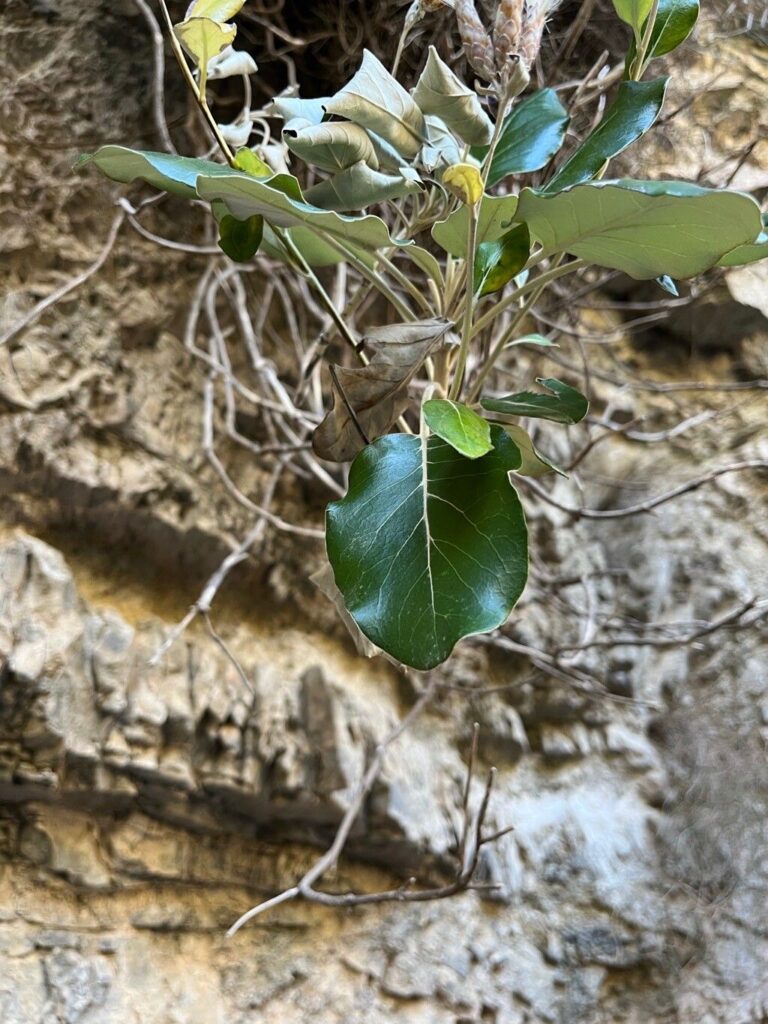
Unveiling the Secrets of Staehelina petiolata: A Propagation Guide
Staehelina petiolata, with its silvery leaves and charming button-like blooms, might not be the first name that springs to mind when you think of garden favorites. However, this Mediterranean beauty, also known as silvery cottonplant, possesses an understated elegance and resilience that’s hard to ignore. If you’re looking to welcome this unique plant into your garden, understanding its propagation methods is key.
This guide delves into the fascinating world of Staehelina petiolata propagation, equipping you with the knowledge to expand your plant family successfully.
Two Routes to Success: Seeds vs. Cuttings
While Staehelina petiolata isn’t as widely cultivated as some other Mediterranean plants, it can be propagated through two primary methods:
-
Seeds: Propagating from seed offers a rewarding experience and is often considered the most common method.
- Cuttings: This method, though less common, allows for quicker establishment and ensures the preservation of desired traits from the parent plant.
Sowing the Seeds of Success
- Harvesting: Collect seeds from dried flower heads in late summer or early fall.
- Preparation: Gently rub the flower heads between your fingers to release the seeds.
- Sowing: Sow seeds in a well-draining seed starting mix. Simply sprinkle the seeds over the surface and press them in gently, without burying them.
- Environment: Choose a bright location, out of direct sunlight, and maintain a temperature around 65-75°F (18-24°C).
- Moisture: Keep the soil consistently moist, but not waterlogged. Using a spray bottle can be helpful to avoid disturbing the seeds.
- Patience: Germination can be erratic and may take several weeks to a few months.
The Art of Taking Cuttings
- Timing is Key: Take cuttings in the late spring or early summer from healthy, non-flowering stems.
- The Perfect Cut: Select a stem around 4-6 inches long and make a clean cut just below a node (where the leaf joins the stem).
- Preparation: Remove the lower leaves and wound the base of the cutting slightly to encourage root development.
- Rooting Hormone (Optional): Dipping the base of the cutting in rooting hormone can improve success rates.
- Potting Mix: Plant the cutting in a well-draining rooting mix, such as a blend of perlite and peat moss.
- Humidity is Key: Cover the pot with a plastic bag or humidity dome to create a warm, humid environment.
- Patience is a Virtue: Rooting may take several weeks. Once new growth appears, you’ll know your cutting has successfully rooted.
Essential Tips for Success:
- Staehelina petiolata thrives in well-draining soil, so avoid overwatering at all costs.
- Mimic its native Mediterranean climate with plenty of sunlight and warm temperatures.
- Protect from frost and excessive winter moisture, especially for young plants.
A Rewarding Endeavor:
Successfully propagating Staehelina petiolata brings immense satisfaction and allows you to introduce this captivating plant to fellow gardening enthusiasts. Whether you choose to grow from seed or cuttings, the process is a testament to the wonders of plant life and a celebration of this enduring Mediterranean gem.