
Unlocking the Secrets of Stapelia cedrimontana: A Propagation Guide for Breathtaking Blooms
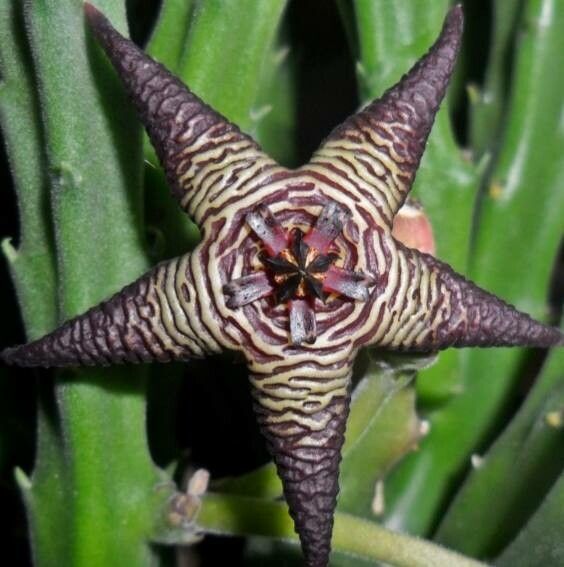
Stapelia cedrimontana, with its otherworldly flowers resembling starfish dipped in chocolate and cinnamon, is a succulent treasure. Native to South Africa, this unique plant, also known as the Cedarberg Starfish Flower, might seem intimidating to propagate, but fear not! This guide will unveil the secrets to successfully multiplying your Stapelia cedrimontana collection and enjoying its macabre beauty for years to come.
Understanding the Basics
Stapelia cedrimontana, like many succulents, can be propagated through two primary methods: stem cuttings and seeds. Each method offers its own advantages and challenges, and the best choice for you depends on your resources and desired outcome.
Method 1: Stem Cuttings – The Clone Army Approach
Stem cuttings are the easiest and fastest way to propagate Stapelia cedrimontana, ensuring an exact replica of the parent plant. Here’s how:
- Take the Cutting: Using a clean, sharp knife or pruning shears, carefully cut a healthy stem segment, around 3-4 inches long, from the mother plant. Ensure the cut is clean and slightly angled to maximize the surface area for callusing.
- Let it Heal: Allow the cutting to dry out (callus) in a warm, shaded area for about a week or until the cut end forms a dry, protective layer. This is crucial to prevent rot when planted.
- Potting Time: Fill a small pot with a well-draining succulent/cactus potting mix. You can even make your own using equal parts potting soil, perlite, and coarse sand.
- Planting and Patience: Make a small indentation in the soil and gently place the callused end of the cutting into the hole. Ensure the cutting can stand upright without support. Water sparingly, only when the soil is completely dry.
- Root Development and Growth: Place the pot in a bright location, out of direct sunlight. Roots should develop within a few weeks. You can test for root development by gently tugging on the cutting. If it offers resistance, roots are forming.
Method 2: Seeds – Embrace the Element of Surprise
Propagating from seed is a rewarding, albeit longer, process that allows for potential variation in flower size and color. Follow these steps:
- Source your Seeds: Acquire fresh seeds from a reputable supplier or collect them from your own mature Stapelia cedrimontana after flowering, if pollination occurred.
- Prepare your Seedbed: Use a seed starting mix or a mixture of equal parts fine-grade vermiculite and perlite. Moisten the mix and spread the Stapelia seeds evenly on the surface. Do not bury the seeds, as they require light to germinate.
- Create a Humid Environment: Cover the tray with a clear plastic lid or wrap to retain moisture and create a greenhouse-like effect.
- Patience is Key: Place the tray in a bright, warm location out of direct sunlight. Germination can take anywhere from 2 weeks to several months. Keep the soil consistently moist but not soggy during this period.
- Transplanting: Once seedlings have developed a few true leaves, they can be carefully transplanted into individual pots with a well-draining succulent mix.
Caring for your Propagated Stapelia cedrimontana
Whether you choose cuttings or seeds, providing the right care is vital for healthy growth:
- Light: Provide bright, indirect light.
- Water: Water thoroughly when the soil is completely dry to the touch. Less is more with Stapelia, as they are prone to root rot in soggy soil.
- Temperature and Humidity: Keep temperatures above 50°F (10°C) during the growing season. Average household humidity is sufficient.
- Fertilizer: Fertilize monthly during the growing season (spring and summer) with a diluted, balanced liquid fertilizer.
By following these guidelines, your Stapelia cedrimontana propagation journey will yield stunning results. With each successful plant, you’ll be captivated by the intriguing beauty of these extraordinary succulents.