
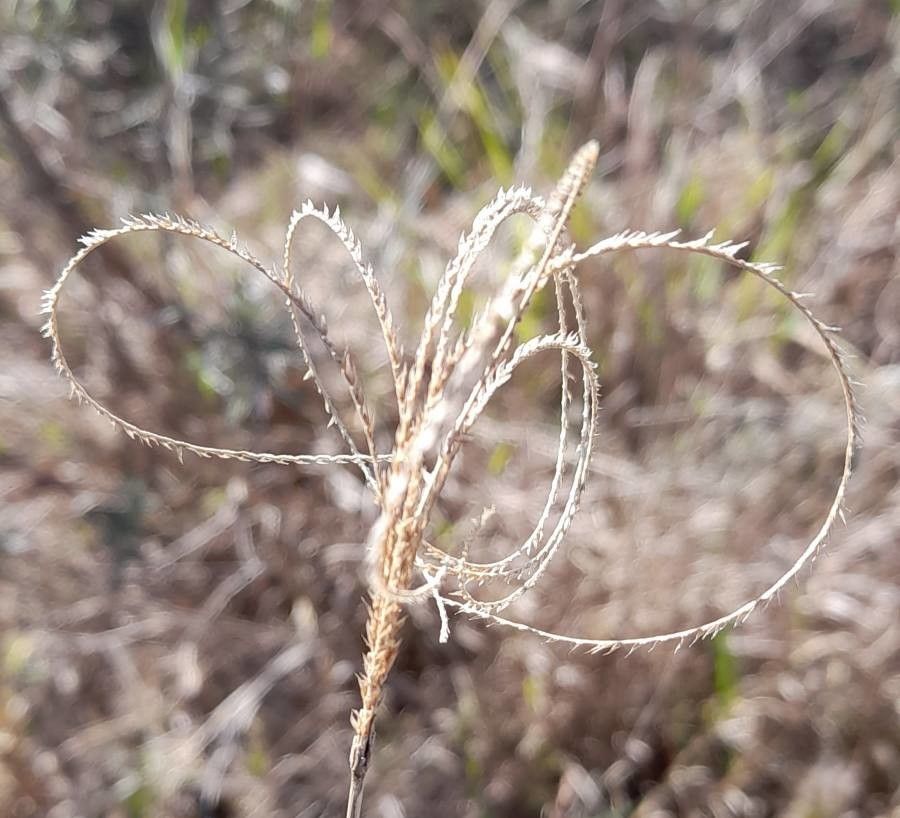
Taming the Texas Bluestem: A Guide to Propagating Stapfochloa Ciliata
Stapfochloa ciliata, more commonly known as Texas bluestem or simply “bluestem,” is a hardy and visually captivating grass native to the southern United States. Its distinct blue-green hues, gracefully arching foliage, and drought-tolerant nature make it a cherished addition to landscapes seeking a touch of wild elegance. If you’re hoping to cultivate this stunning grass and expand its presence in your garden, you’ll be glad to know that propagation is achievable through two primary methods: seeds and division.
Sowing Seeds: A Dance with Patience
Propagating Texas bluestem from seeds offers a rewarding journey for those who appreciate the magic of witnessing a plant’s entire life cycle.
When to Sow: The ideal time to sow seeds is during the warmer months, preferably late spring or early summer, when the soil temperature is consistently above 60°F. This timing allows the seedlings sufficient time to establish themselves before the arrival of cooler temperatures.
Sowing the Seeds:
- Prepare the Seedbed: Select a location with well-draining soil and ample sunlight. Lightly till the area, removing any weeds or debris.
- Sow with Care: Scatter the seeds evenly over the prepared soil bed, lightly pressing them into the surface. Avoid burying the seeds too deeply, as this can hinder germination.
- Keep It Moist: Until the seeds germinate, mist the soil regularly, ensuring it remains consistently moist but not waterlogged.
- Exercise Patience: Germination can take anywhere from a few weeks to a couple of months. Be patient and continue to provide adequate moisture.
Division: A Shortcut to Established Clumps
Dividing existing Texas bluestem clumps is a quicker method for propagation, offering an almost immediate visual impact.
When to Divide: Spring or early fall is the optimal time for dividing Texas bluestem, allowing ample time for the divided plants to establish themselves before the onset of extreme temperatures.
Dividing the Clumps:
- Prepare the Area: Select a new location with similar growing conditions to the parent plant and ensure the soil is loose and well-draining.
- Lift and Divide: Using a sharp spade or garden fork, carefully lift the entire clump from the ground. Depending on the size, you can divide the clump into smaller sections, each containing a healthy root system and several shoots.
- Replant and Water: Plant the divided sections in their new locations at the same depth they were previously growing. Water them in thoroughly, ensuring the soil settles around the roots.
Caring for Your New Additions:
Whether you choose to propagate through seeds or division, providing proper care is essential for the successful establishment of your new Texas bluestem plants.
- Sunlight: Ensure they receive at least six hours of direct sunlight daily.
- Watering: Water deeply but infrequently, allowing the soil to dry out slightly between waterings.
- Fertilizing: Texas bluestem is relatively low-maintenance and doesn’t require frequent fertilization. An annual application of a balanced fertilizer in spring is usually sufficient.
With a little patience and proper care, you can successfully propagate Stapfochloa ciliata, adding this beautiful and resilient grass to your landscape. Whether you are drawn to its visual appeal, ecological benefits, or simply enjoy the process of nurturing plants from scratch, Texas bluestem is sure to become a treasured addition to your outdoor space.