
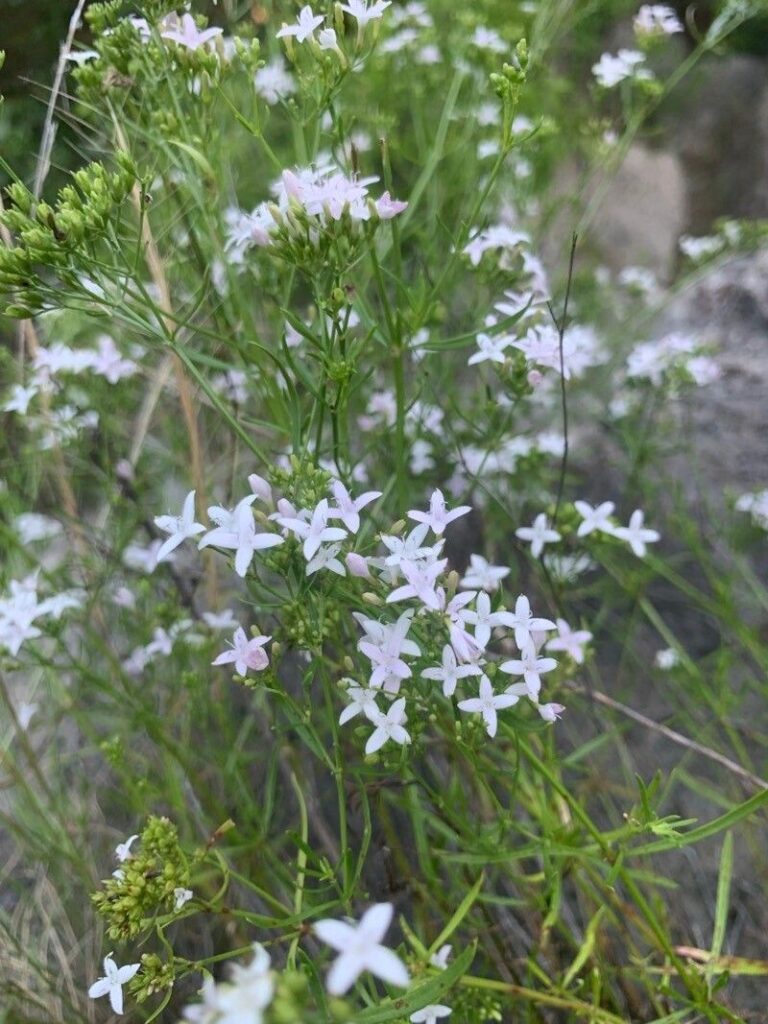
Unlocking the Secrets of Starviolet Propagation: Grow More of This Delicate Beauty
The Starviolet (Stenaria nigricans), also known as the Diamond-flower or the Blackseed Beauty, is a captivating wildflower native to the eastern United States. This seemingly delicate flower boasts intricate, star-shaped blooms with a deep, rich purple hue that contrasts beautifully against its bright green foliage. While it may look fragile, the Starviolet possesses a charming resilience, readily reseeding itself in the wild. This tenacious nature makes it a rewarding plant for home gardeners willing to learn the secrets of its propagation.
Two Paths to Starviolet Success: Seeds and Divisions
You can increase your Starviolet population through two main methods: seed propagation and division. Both offer unique advantages and levels of complexity, catering to both novice and seasoned gardeners.
1. Seed Propagation: From Tiny Specks to Stunning Blooms
- Collecting the Bounty: Starviolets produce small, black seeds housed within distinct, diamond-shaped capsules that lend the plant its “Diamond-flower” moniker. Wait until the capsules turn a light brown, signifying seed maturity, before collecting them.
- Sowing for Success: You can sow Starviolet seeds directly into your garden in the fall. These cold-hardy seeds benefit from natural stratification (exposure to winter’s chill) for optimal germination. Scatter the seeds on loosened soil and lightly press them in, ensuring good contact. Alternatively, you can cold stratify the seeds indoors by storing them in moist sand within your refrigerator for 6-8 weeks before sowing in late winter or early spring.
- Patience is Key: Germination can take several weeks to a few months, so don’t despair if you don’t see immediate results. Keep the soil consistently moist but not waterlogged.
- Location, Location, Location: Starviolets prefer partial shade to full sun and well-drained soil. Mimic their natural woodland habitat by providing dappled sunlight.
2. Division: Multiplying Your Floral Treasures
- The Right Time: Early spring or fall, when the plant is dormant or just beginning to emerge, is ideal for division.
- Gentle Separation: Carefully dig around a healthy Starviolet clump, ensuring you don’t damage the roots. Lift the plant and gently separate it into smaller sections, each with a good portion of roots and shoots.
- Replanting and Care: Replant the divisions at the same depth they were originally growing, spacing them about 12 inches apart. Water them well and keep the soil consistently moist as they establish themselves.
Reaping the Rewards: A Garden Adorned with Starviolets
Successfully propagating Starviolets offers a fulfilling experience, allowing you to expand your garden with these charming blooms. Their delicate beauty, coupled with their relatively low-maintenance nature, makes them a wonderful addition to woodland gardens, shady borders, and even containers.
So, why wait? Embark on your Starviolet propagation journey today and watch your garden transform into a haven of vibrant, star-shaped blossoms.