
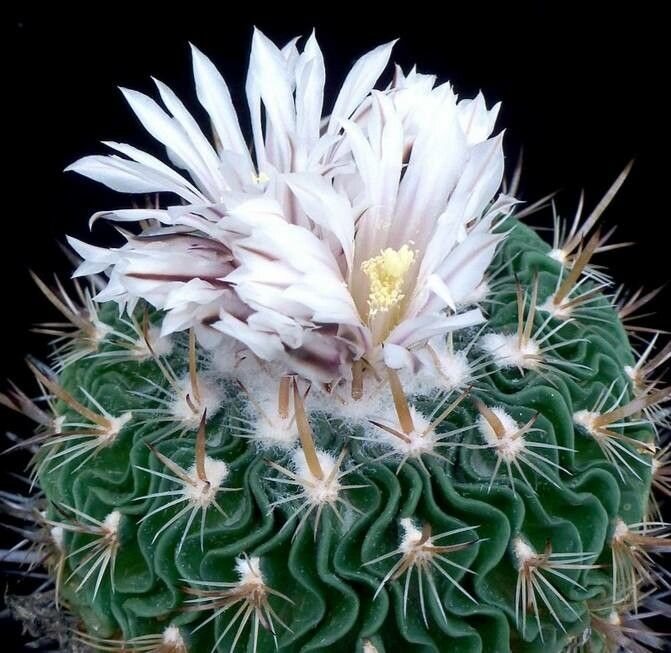
From One to Many: Mastering the Art of Stenocactus Multicostatus Propagation
The Stenocactus multicostatus, with its captivating, ribbed form and captivating flowers, is a coveted cactus for any plant enthusiast. But did you know that this striking succulent can be easily propagated, allowing you to expand your collection and share its beauty with others? This guide will walk you through the fascinating world of Stenocactus multicostatus propagation, empowering you to grow your own healthy, thriving plants from just a single cutting.
The Power of Offsets
Perhaps the simplest method of Stenocactus multicostatus propagation is through offsets. These are essentially miniature clones arising from the base of the mother plant.
- Identifying Offsets: Look for tiny, independent cacti growing at the base of your established Stenocactus multicostatus. They should have their own root systems, or at least the potential to develop them.
- Separation: Gently detach the offset from the mother plant using a sharp, sterile knife or gardening shears. Make a clean cut to avoid harming both plants.
- Callusing: Allow the cut end of the offset to dry for a few days, forming a callous over the wound. This helps prevent rot when the offset is planted.
- Potting: Once calloused, pot the offset in a well-draining cactus potting mix. Place the pot in a sunny location, but avoid direct sunlight initially.
- Patience is Key: The offset will develop roots and begin to grow on its own. Be patient – it may take a few weeks or months for you to see new growth.
Stem Cuttings, A More Adventurous Path
While offsets provide a straightforward propagation method, you can also experiment with stem cuttings. This method takes a bit more care and patience but can be equally rewarding:
- Selecting a Healthy Cutting: Choose a healthy, mature stem from your Stenocactus multicostatus. It’s best to avoid any sections with signs of disease or damage.
- Making the Cut: Using a sharp, sterile knife, cut the stem at a slight angle. This encourages better root development.
- Callusing: Allow the cut end of the stem to dry for a few days to form a callous, as with offsets.
- Rooting Medium: Prepare a rooting medium like perlite, vermiculite, or a mix of both. Maintain moderate moisture levels.
- Planting the Cutting: Gently insert the calloused end of the cutting into the rooting medium, ensuring it’s stable.
- Time and Patience: It can take a few weeks to several months for the stem cutting to root successfully. Keep the rooting medium slightly moist and provide indirect light during this process.
Important Considerations
- Sterilization: Always sterilize your tools before making cuts to prevent spreading diseases.
- Watering: Water your newly propagated Stenocactus multicostatus sparingly, allowing the soil to dry out completely between waterings. Overwatering can lead to fungal infections and root rot.
- Sunlight: Provide your plants with bright, indirect sunlight. Avoid exposing them to direct sunlight, especially while they’re rooting.
- Fertilizing: Once your cuttings or offsets are established, you can gently fertilize them with a balanced cactus fertilizer.
The Joy of Propagation
Propagating your Stenocactus multicostatus is a rewarding experience, allowing you to enjoy the beauty of this fascinating plant in your home while expanding your collection with new, unique individuals. Whether you choose the simplicity of offset propagation or the challenges of stem cuttings, the joy of nurturing these cacti from start to finish is an enriching journey every plant lover should enjoy. With a little patience, care, and the right techniques, you’ll soon have a flourishing collection of Stenocactus multicostatus, showcasing their captivating beauty for years to come.