
From Seed to Shade: How to Propagate the Beautiful Bignonia
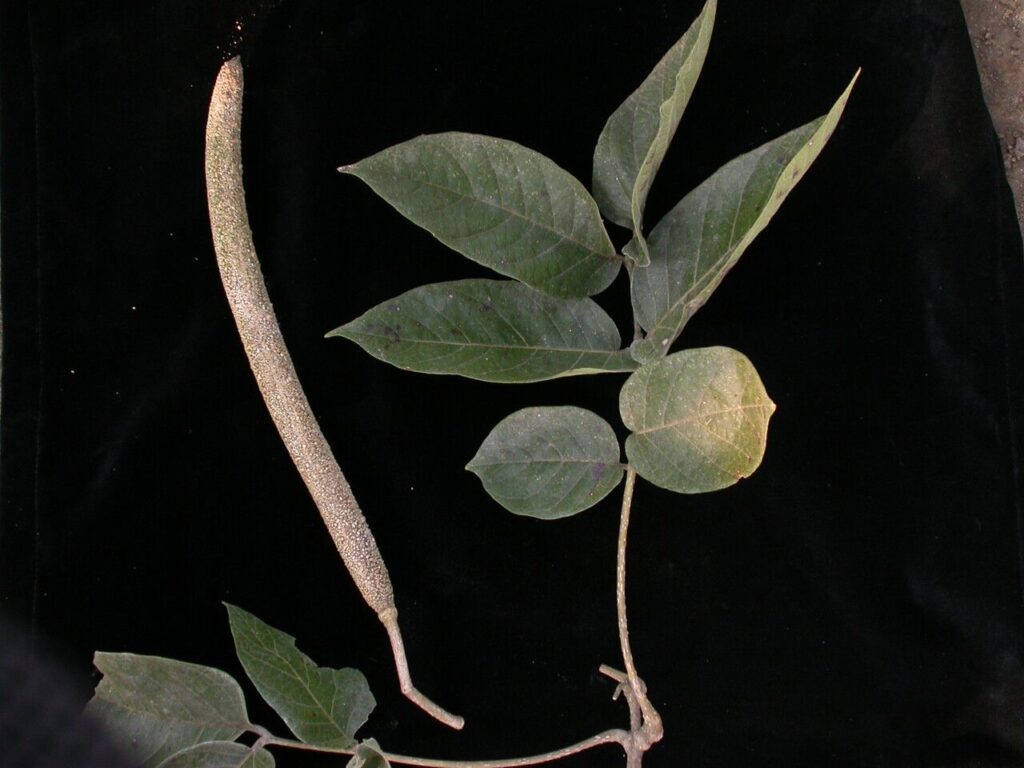
The Bignonia, also known as the “Trumpet Tree” or “Stereospermum chelonoides,” is a breathtaking sight. With its cascading vines and trumpet-shaped blooms, it’s a popular choice for gardens and landscapes. But what if you could grow your own? The good news is, propagating Bignonia plants is a rewarding process that’s surprisingly easy.
The Power of Seeds
The most common and reliable method of propagation is through seeds. Here’s how to get started:
- Collect Seeds: Bignonia produces pods containing numerous seeds. Wait for the pods to fully ripen and turn brown. Once ripe, gently open them to reveal the seeds.
- Preparation: Seeds should be sown in a well-draining seed-starting mix. This allows for adequate moisture and prevents root rot.
- Sowing: Scatter seeds on the surface of the mix, and lightly cover them with a thin layer of soil. Gently mist the mixture with water and cover the container with a clear plastic wrap or dome.
- Germination: Maintain consistent moisture and a warm environment (around 75°F). Bignonia seeds germinate within 2-4 weeks.
- Transplanting: Once the seedlings have developed several true leaves, it’s time to gently transplant them into individual pots.
A Cut Above: Stem Cuttings
For those who like a bit more hands-on approach, stem cuttings can be an excellent option. Here’s how to successfully propagate your Bignonia through cuttings:
- Choose Your Cuttings: Select healthy, non-flowering stems around 6-8 inches long. The ideal cuttings will have at least 2-3 nodes (the joints on the stem where leaves grow).
- Preparation: Remove the leaves from the lower half of the stem. Dip the cut end in a rooting hormone powder or solution – this will boost the growth of new roots.
- Propagation: Plant the cuttings in a pot filled with a good-quality rooting mix. Keep the soil consistently moist and maintain a warm environment for optimal root development.
- Patience is Key: Root development can take 4-6 weeks. During this time, it’s crucial to maintain a stable environment and avoid disturbing the cuttings.
Growing Your New Bignonia Plants
Once your Bignonia seedlings or cuttings are established, they need proper care to thrive. Here are some tips:
- Sunlight: The Bignonia loves plenty of sunlight. Choose a spot with at least 6 hours of direct sun each day for best results.
- Watering: Water regularly, but be careful not to overwater. Allow the soil to dry slightly between waterings.
- Fertilizing: Feed your Bignonia plants with a balanced fertilizer every few weeks during the growing season. This will foster healthy growth and encourage vibrant blooms.
Conclusion
Propagating Bignonia plants is a fun and fulfilling experience. You can enjoy the satisfaction of growing your own spectacular climbing vines and watch as they add a touch of vibrant nature to your landscape. Whether you choose seeds or stem cuttings, remember to provide them proper care and soon, you’ll have your own beautiful Bignonia plants to admire.