
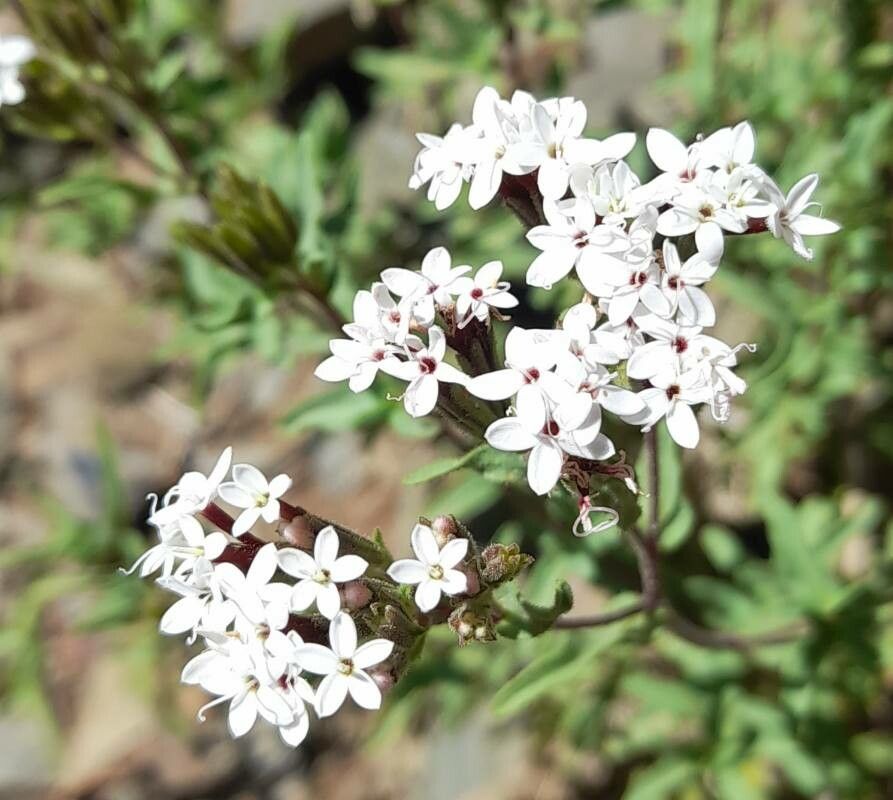
Propagating Stevia minor: Sweet Success Through Effort
Stevia minor, also known as sweetleaf or candyleaf, is a small, herbaceous perennial prized for its intensely sweet leaves. Its natural sweetness, derived from steviol glycosides, makes it a popular choice for those seeking natural sugar alternatives. While its culinary uses drive much of its popularity, Stevia minor also holds a place in gardens for its attractive foliage and low-maintenance nature. Its propagation, however, presents unique challenges and rewards for the enthusiastic gardener.
Seed Germination:
Currently, there are no known reliable methods for seed germination propagation of Stevia minor. While Stevia plants do produce seeds, their germination rate is notoriously low, making seed propagation impractical for most gardeners. The seeds are often underdeveloped and lack the viability for successful sprouting.
Cuttings:
Cuttings represent the most common and successful method for propagating Stevia minor.
Challenges: While relatively straightforward, success with cuttings hinges on proper technique. Using overly mature or woody stems can reduce the chances of rooting. Ensuring proper humidity and preventing fungal infections are also crucial.
Practical Tips:
- Timing: Take cuttings in spring or early summer from healthy, actively growing stems.
- Technique: Take 4-6 inch cuttings, removing lower leaves. Dip the cut ends in rooting hormone for enhanced success.
- Propagation Medium: Use a well-draining mix, such as perlite and vermiculite, or a specialized seed starting mix. Keep consistently moist but not soggy.
- Environment: Maintain high humidity using a humidity dome or plastic bag. Place cuttings in bright, indirect light, avoiding direct sun.
- Rooting Time: Rooting can take several weeks.
Rewards: Cuttings offer an efficient method to produce multiple plants, ensuring genetic consistency with the parent plant. This makes it ideal for expanding existing plantings of a favoured cultivar.
Division:
Division is another viable method, particularly for established plants.
Challenges: Dividing Stevia minor requires careful handling to avoid damaging the roots. This method is generally best suited for larger, mature plants.
Practical Tips:
- Timing: Divide plants in spring, just as new growth begins.
- Technique: Gently dig up the plant, carefully separating the root mass into sections, ensuring each section has sufficient roots and foliage.
- Replanting: Plant the divisions in well-prepared soil, ensuring proper spacing. Water thoroughly.
Rewards: Division allows for rapid increase in the number of plants and is a less technically demanding process than cuttings.
Tissue Culture:
Tissue culture offers a highly efficient method for large-scale propagation of Stevia minor, allowing for the rapid production of numerous genetically identical plants.
Challenges: Tissue culture requires specialized equipment, sterile conditions, and technical expertise. It’s not a practical method for home gardeners.
Practical Tips: This method is best left to commercial nurseries or research facilities with the necessary resources and training.
Rewards: Tissue culture allows for rapid multiplication of elite cultivars and disease-free plants, ideal for commercial cultivation and conservation purposes.
Conclusion:
Propagating Stevia minor presents a range of challenges depending on the chosen method. While seed propagation is unreliable, cuttings offer a viable and relatively easy option for the home gardener. Division is effective for established plants, and tissue culture provides a solution for mass production. The unique satisfaction of successfully propagating Stevia minor, particularly from cuttings, comes from overcoming the initial obstacles and witnessing the emergence of new, sweet plants from a small cutting. For aspiring propagators, patience and attention to detail are key to success. While the challenges are real, the reward of nurturing these sweet plants from cuttings or divisions makes the effort worthwhile.