
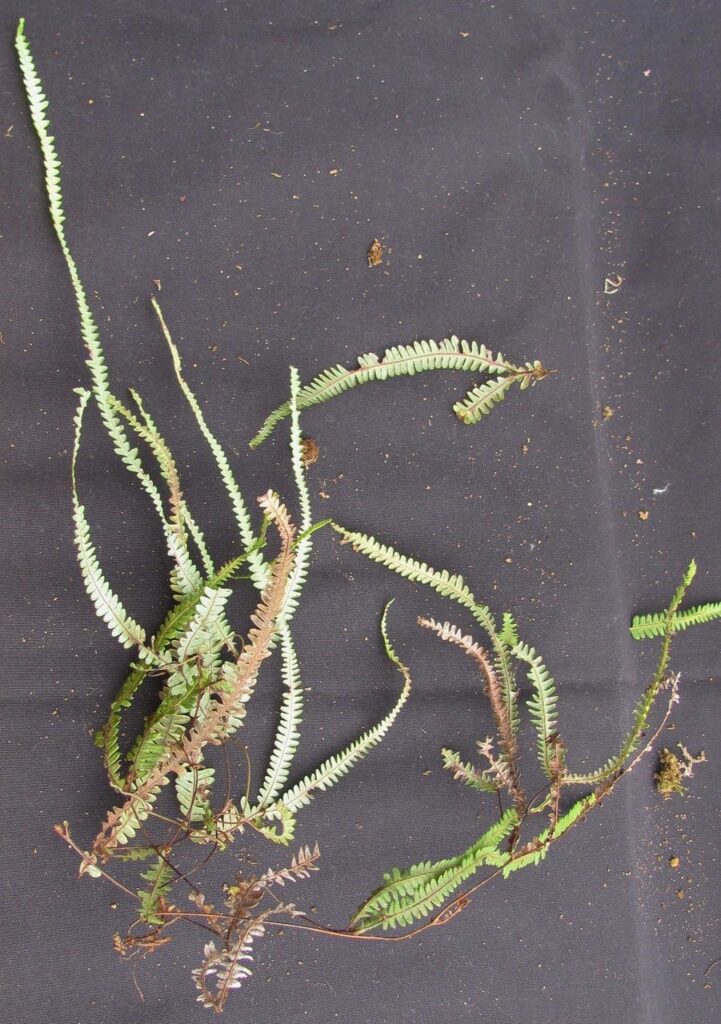
From Spore to Success: Propagating Your Sticherus hypoleucus
The Sticherus hypoleucus, also known as the “White-backed Fern,” boasts captivating fronds and a unique, almost ethereal beauty. But what if you want more of this lush greenery in your home or garden? You don’t have to rely on buying new plants; you can easily propagate Sticherus hypoleucus from spores!
Understanding Spore Propagation
Unlike many plants that reproduce via seeds or cuttings, ferns like the Sticherus hypoleucus propagate through spores. These tiny, dust-like structures are housed on the underside of mature fronds, typically in clusters called “sori.” Each spore has the potential to germinate into a new, independent plant, giving you a chance to create a whole new generation of ferns.
Steps to Propagate Sticherus hypoleucus from Spores
1. Collecting the Spores:
- Choose mature fronds that are brown or slightly yellowing, indicating that the spores are ripe.
- Gently scrape the underside of the frond with a spoon or a dull knife, capturing the brown, powdery spores.
- Collect the spores onto a piece of clean paper or in a small container.
2. Preparing the Growing Medium:
- Create a sterile growing medium using a mixture of equal parts peat moss and perlite. This mixture provides excellent drainage and airflow for the delicate spores.
- Lightly moisten the mixture and sterilize it in the microwave for a few minutes to kill any potential contaminants.
3. Sowing the Spores:
- Fill a shallow tray or container with the prepared growing medium and lightly press it down.
- Sprinkle the collected spores evenly over the surface of the medium.
- Do not cover the spores with soil, as they need light to germinate.
4. Providing Optimal Conditions:
- Place the tray in a bright, indirect light location. Avoid direct sunlight, which can dry out the spores and prevent germination.
- Cover the container with a transparent plastic dome or wrap to create a humid environment, essential for spore germination.
- Maintain a temperature of 70-75°F (21-24°C).
- Keep the growing medium consistently moist but not soggy. Mist regularly with distilled water to prevent dryness.
5. Patience is Key:
- The germination process can take several weeks or even months. Be patient and maintain the optimal growing conditions.
6. Transplanting:
- When tiny green heart-shaped structures called “prothalli” emerge from the spores, you’ll know they are ready for the next stage.
- Carefully transfer the prothalli to small pots filled with a fine potting mix.
- Keep the pots in a bright, indirect light location and maintain consistent moisture.
7. The Final Stage:
- After a few more months, the prothalli will develop into young fern fronds, resembling miniature versions of their mature forms.
- Gradual acclimation to outdoor conditions is recommended before planting them in your garden or keeping them in a permanent container.
Beyond the Basics: Tips for Success
- Use fresh spores for the best results. Stored spores tend to have a lower germination rate.
- Cleanliness and sterilization are crucial to prevent contamination and fungal growth.
- Provide adequate humidity and ventilation during the germination process.
- Don’t overwater the prothalli or young ferns.
Propagation from spores is a rewarding and fascinating experience, offering a glimpse into the life cycle of ferns and a chance to nurture new plant life from the very beginning. With dedication and care, your Sticherus hypoleucus will thrive and reward you with a beautiful and healthy plant that you can enjoy for years to come.