
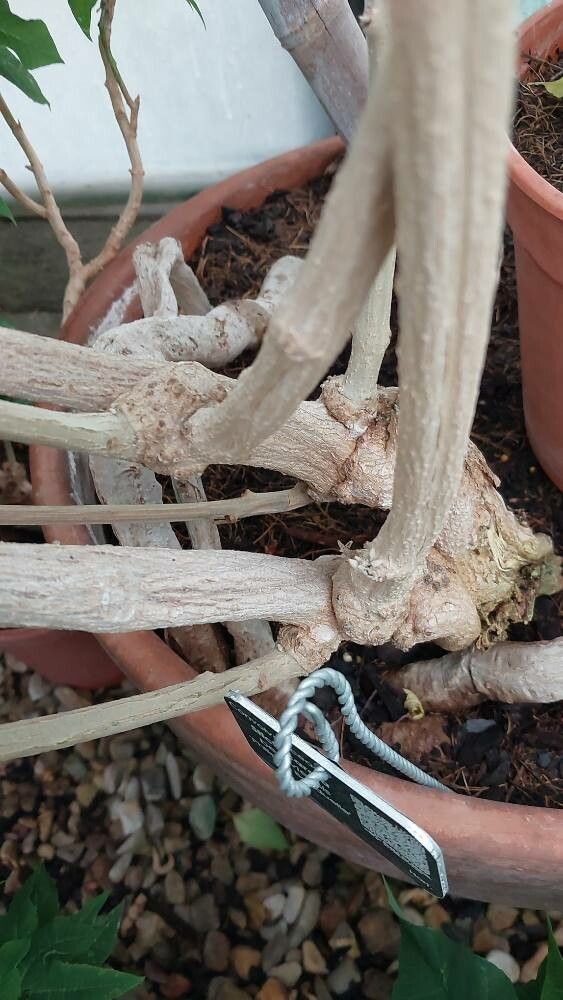
Unlocking the Secrets of Stictocardia Beraviensis: A Propagation Guide
Stictocardia beraviensis, with its captivating, trumpet-shaped blooms in fiery hues of orange and red, is a climbing vine capable of transforming any garden into a tropical paradise. But if you’re lucky enough to have encountered this rare beauty, you’re probably wondering how to get your hands on more.
While finding Stictocardia beraviensis at your local nursery might be a challenge, propagating this stunning vine is surprisingly achievable, even for budding gardeners. Let’s delve into the various methods to successfully multiply your Stictocardia beraviensis, welcoming a riot of color and exotic charm into your outdoor space.
Method 1: Seed Germination
-
Source your seeds: Your best bet is to join online gardening communities or contact specialist nurseries to source fresh Stictocardia beraviensis seeds.
-
Prepare your seeds: Soak the seeds in lukewarm water for 24 hours before sowing. This helps soften the outer shell and encourages faster germination.
-
Create the perfect environment: Use a well-draining seed starting mix and sow the seeds about half an inch deep. Stictocardia beraviensis thrives in warmth, so maintaining a consistent temperature between 70-80°F (21-27°C) is crucial.
- Patience is key: Germination can take anywhere from a few weeks to a couple of months. Keep the soil consistently moist but not waterlogged.
Method 2: Stem Cuttings
-
Choose wisely: Select healthy, non-flowering stems for your cuttings. Ideally, the chosen stem should be at least 4-6 inches long and have a few nodes (small bumps where leaves emerge).
-
Prepare the cuttings: Using a sterilized knife or shears, make a clean cut just below a node. Remove the leaves from the lower half of the cutting.
-
Encourage rooting: Dip the cut end in rooting hormone powder (optional but recommended) and gently place it in a pot filled with a well-draining potting mix or a mixture of perlite and peat moss.
-
Create a humid environment: Cover the pot with a clear plastic bag or humidity dome to trap moisture and promote root development. Ensure adequate indirect sunlight and maintain a warm temperature.
- Transplanting: Once new growth emerges, usually after 4-6 weeks, your cutting has successfully rooted. Carefully transplant your young Stictocardia beraviensis to a larger pot or directly into the ground, providing a sturdy trellis or support for climbing.
Essential Care Tips for Successful Propagation:
- Well-draining soil: Stictocardia beraviensis thrives in well-drained soil. Amendments like perlite or coco coir can improve drainage.
- Warmth and humidity: Mimic the tropical environment this vine loves by providing warmth and moderate humidity.
- Bright, indirect light: While this vine enjoys sunshine, direct sunlight, especially during the hottest hours, can scorch its delicate foliage. Opt for bright, indirect light for optimal growth.
- Consistent moisture: Water regularly, keeping the soil evenly moist but not soggy.
Propagating Stictocardia beraviensis, though requiring a bit of patience and care, is a rewarding endeavor. By following these steps and providing the right conditions, you can successfully cultivate your own vibrant, flowering vine, transforming your garden into a mesmerizing spectacle of color and beauty.