
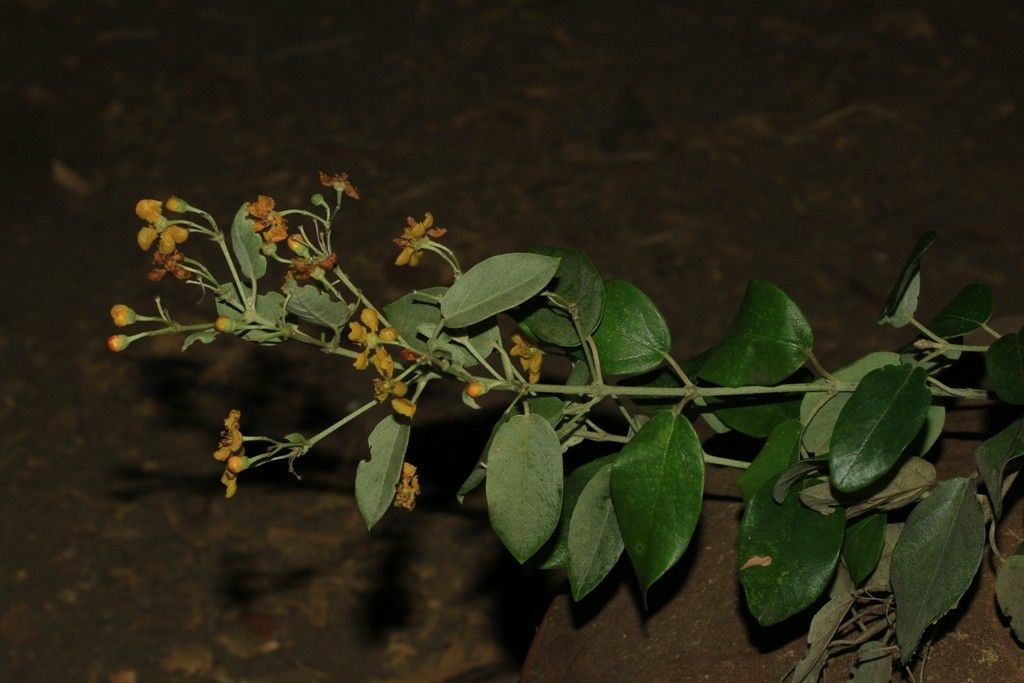
Taming the Tropical Twister: Propagating the Intriguing Stigmaphyllon mcphersonii
The world of rare and unusual plants holds endless fascination, and the “Stigmaphyllon mcphersonii” is a shining example. This vibrant, fast-growing vine, with its twirling tendrils and bursts of yellow flowers, is a true showstopper. But acquiring one can be a challenge! If you’re lucky enough to know someone with this botanical gem, or find yourself with a healthy specimen, you might be wondering: how can I propagate this beauty? Fear not, fellow plant enthusiasts, for we’re about to unravel the secrets of propagating “Stigmaphyllon mcphersonii.”
Before we delve into the techniques, let’s address the elephant in the room: “Stigmaphyllon mcphersonii” is a bit of a mouthful, and there’s a reason you don’t see it at your local garden center. This tropical vine, hailing from the Caribbean, is relatively uncommon in cultivation. This only adds to its allure, but it also means that readily available information on its propagation can be scarce.
However, armed with some basic knowledge and a sprinkle of patience, successfully multiplying your “Stigmaphyllon mcphersonii” is an achievable goal. Let’s explore the two most effective methods:
1. Stem Cuttings: A Journey of Patience and Precision:
Stem cuttings are the most popular method for propagating “Stigmaphyllon mcphersonii.” Here’s how it’s done:
- Timing is Key: Spring and early summer, when the plant is experiencing vigorous growth, offer the highest chance of success.
- Selecting the Right Cuttings: Choose healthy, non-flowering stems that are approximately 4-6 inches long. Look for nodes, those little bumps on the stem where leaves emerge, as they hold the potential for new root development.
- Creating the Ideal Environment: Prepare a well-draining potting mix, ideally a blend of peat moss, perlite, and vermiculite. This will ensure adequate moisture retention while preventing waterlogging, which can lead to root rot.
- The Planting Process: Remove the lower leaves from the cutting, leaving 2-3 leaves at the top. Dip the cut end in rooting hormone (optional, but recommended for this species) and gently insert it into the prepared potting mix.
- Patience is a Virtue: Place the pot in a warm, humid location with bright, indirect light. Keep the soil consistently moist but not soggy. Rooting can take several weeks, even months.
2. Layering: Encouraging Natural Growth:
Layering offers a less common but potentially rewarding alternative, especially for those who prefer a more hands-off approach. This technique takes advantage of the plant’s natural ability to develop roots along its stems:
- Choosing the Right Stem: Select a long, flexible stem that can be easily bent down to the ground.
- Creating the Layering Point: Wound a section of the chosen stem gently by making a small cut or scraping away a bit of the outer layer. Apply rooting hormone (optional) to the wounded area.
- Securing the Layer: Bury the wounded section of the stem in a pot of well-draining potting mix, ensuring the leaves remain above the soil line. Secure the layer in place with a small stake or rock.
- Monitoring and Separation: Keep the soil consistently moist and wait for roots to develop from the buried section. Once a well-established root system forms (usually within a few months), you can separate the newly rooted plant from the parent.
Final Thoughts and Encouragement:
Propagating “Stigmaphyllon mcphersonii” requires patience and a gentle touch. Don’t be discouraged if your first attempts are not successful. Keep experimenting, learning from your experiences, and you’ll eventually be rewarded with more of these stunning tropical beauties to share with your fellow plant enthusiasts. Happy propagating!