
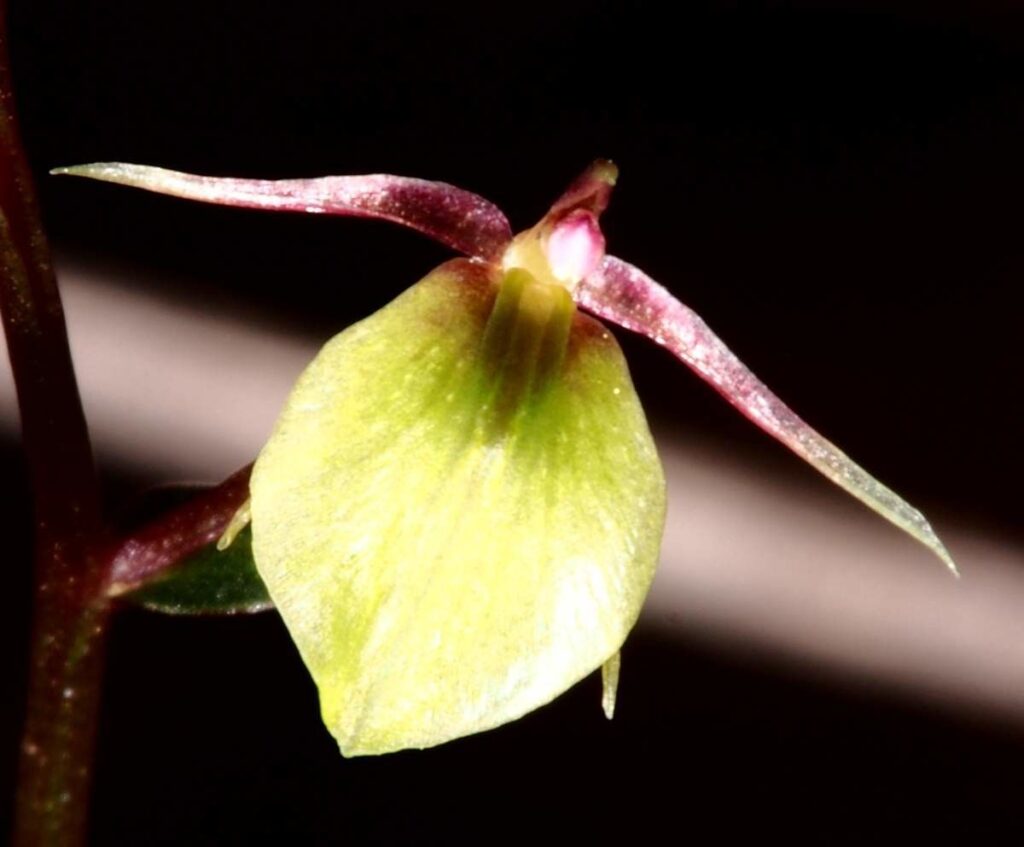
Unlocking the Secrets: Propagating the Elusive Stigmatodactylus Confusus Orchid
The world of orchids is filled with vibrant colors and captivating forms, but few are as intriguing and challenging as the Stigmatodactylus confusus. This miniature terrestrial orchid, native to the rainforests of Southeast Asia, is a true treasure for enthusiasts seeking the rare and unusual. But cultivating these delicate beauties is no easy feat. Propagation, often considered the holy grail for serious orchid lovers, requires a deep understanding of the plant’s unique needs and a touch of dedicated patience.
Understanding the Challenge: Why is Propagation So Tricky?
Unlike many orchids that readily produce keikis (plantlets) or can be divided, Stigmatodactylus confusus primarily reproduces through seed. However, these seeds are incredibly fine, like dust, and lack the endosperm found in most seeds, which provides nutrients for initial growth. This means they rely entirely on a symbiotic relationship with specific mycorrhizal fungi in the soil for germination and early development.
Replicating this delicate balance in a home environment can be difficult, which is why successful propagation of Stigmatodactylus confusus often requires specialized techniques and careful observation.
Methods for Propagation: Exploring the Options
While challenging, propagating this elusive orchid is not impossible. Here are two primary methods employed by dedicated growers:
1. Symbiotic Seed Sowing:
This method attempts to mimic the natural process by introducing seeds to a growing medium inoculated with the appropriate mycorrhizal fungi.
- The Process: Orchid seeds are sown on a sterile, nutrient-poor medium specifically formulated for terrestrial orchids. This medium is pre-inoculated with a compatible mycorrhizal fungal culture.
- Challenges: Obtaining the correct fungal strain is crucial and often requires sourcing from specialized suppliers or isolating it from the roots of a mature Stigmatodactylus confusus plant. Maintaining the correct humidity, temperature, and sterility is also critical, as contamination can easily wipe out the delicate seeds and fungi.
2. In-vitro Seed Germination (Flasking):
This method involves germinating seeds in a sterile, nutrient-rich agar medium within a sealed flask.
- The Process: Seeds are sterilized and placed on the sterile agar medium, which provides all the necessary nutrients for germination and early development. The flask protects the seeds from contamination and maintains stable humidity levels.
- Challenges: This method requires a basic understanding of sterile techniques and access to specialized equipment like a pressure cooker and laminar flow hood. There’s also a learning curve in preparing the agar medium correctly.
Patience and Persistence: The Keys to Success
Regardless of the chosen method, propagating Stigmatodactylus confusus is a waiting game. Success is not guaranteed, and it can take months or even years for seedlings to develop into mature, flowering plants.
However, for those dedicated individuals willing to invest the time and effort, the reward of cultivating this botanical rarity from seed is immensely satisfying. The journey itself becomes a rewarding endeavor, deepening one’s understanding of orchid biology and the intricate web of life within our ecosystems.
By sharing knowledge and experiences, we can unlock the secrets of propagating these elusive orchids and ensure their beauty continues to grace our planet for generations to come.