
Unlocking the Secrets of the Large-Flowered Bird Orchid: A Propagation Primer
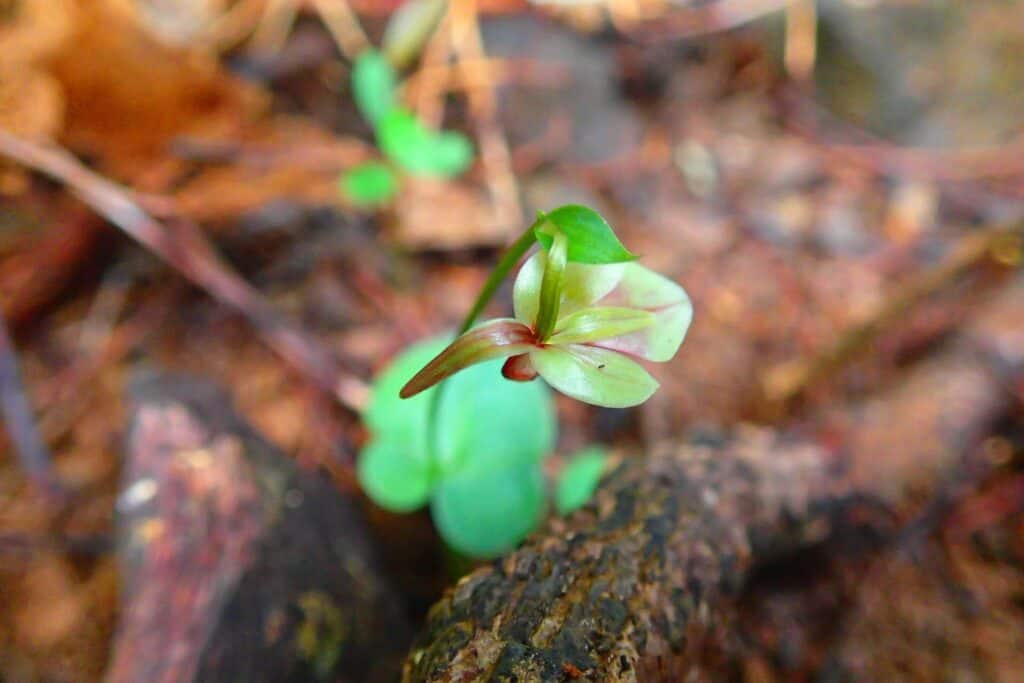
The world of orchids is full of captivating beauty and intrigue, and the Large-Flowered Bird Orchid (Stigmatodactylus grandiflorus) is no exception. This miniature marvel, native to Australia, captivates with its disproportionately large, creamy-white to yellowish-green flower that resembles a bird in flight.
While admiring its beauty in the wild or cultivated collections is a treat, successfully propagating this orchid at home can feel like an exclusive gardening society initiation. But worry not, aspiring orchid enthusiasts, for we’re about to unlock the secrets to propagating this delicate beauty.
Understanding the Challenges
Propagating the Large-Flowered Bird Orchid presents unique challenges compared to more common orchid varieties. This terrestrial orchid relies on a symbiotic relationship with specific mycorrhizal fungi present in its natural habitat. These fungi help the orchid access essential nutrients, making traditional propagation methods like division or back-bulb propagation unreliable.
Seed Germination: A Microscopic Marvel
The most successful way to propagate the Large-Flowered Bird Orchid is through seed germination. However, this requires meticulous attention to detail and a sterile environment. Here’s a simplified breakdown:
1. Obtaining Seeds:
Orchid seeds are minuscule and dust-like. Sourcing viable seeds is crucial for success. Seek reputable orchid nurseries specializing in terrestrial varieties or connect with experienced growers.
2. Creating the Right Environment:
Orchid seeds lack endosperm, a nutrient store found in most seeds. They require a specialized growing medium containing necessary nutrients and, most importantly, the specific mycorrhizal fungi.
- Specialized Media: Ready-made orchid seed sowing media are available, formulated with the necessary nutrients and often incorporating activated charcoal for fungal growth.
- DIY Media: For the adventurous, recipes using ingredients like mashed potato flakes, banana powder, and agar are available online, but require careful preparation and sterilization to prevent contamination.
3. Sowing the Seeds:
- Sterilization is Key: Thoroughly sterilize all tools and containers using a bleach solution or by boiling. This prevents harmful fungi and bacteria from competing with your orchid seeds.
- Sowing: Sprinkle the dust-like seeds evenly onto the surface of the prepared medium within a sterilized, clear container.
- Humidity and Light: Maintain high humidity by covering the container with a clear lid or plastic wrap. Place it in a bright location but out of direct sunlight.
4. Patience is a Virtue: Germination can take several weeks to months. During this time, monitor the moisture levels and provide indirect bright light. Tiny, green protocorms (preliminary orchid bodies) will emerge, indicating successful germination.
5. Transplanting: Once the protocorms develop roots and leaves, carefully transplant them into individual pots using a similar sterile medium.
Challenges and Rewards
Propagating the Large-Flowered Bird Orchid from seed is not for the faint of heart. It demands patience, precision, and a touch of scientific curiosity. However, the reward of nurturing these tiny seeds into blooming orchids is incredibly fulfilling.
Beyond Propagation:
Remember, maintaining the right growing conditions is crucial for the long-term health of your Large-Flowered Bird Orchid. This includes:
- Well-draining potting mix: Use a blend specifically formulated for terrestrial orchids.
- Bright, indirect light: Avoid harsh sunlight.
- Consistent moisture: Keep the potting mix evenly moist but not waterlogged.
- High humidity: Mist regularly or use a humidity tray.
- Cool to intermediate temperatures: Replicate the orchid’s natural environment.
By understanding the unique needs of this botanical gem and approaching propagation with patience and care, you can increase your chances of success and contribute to the preservation of this enchanting species.