
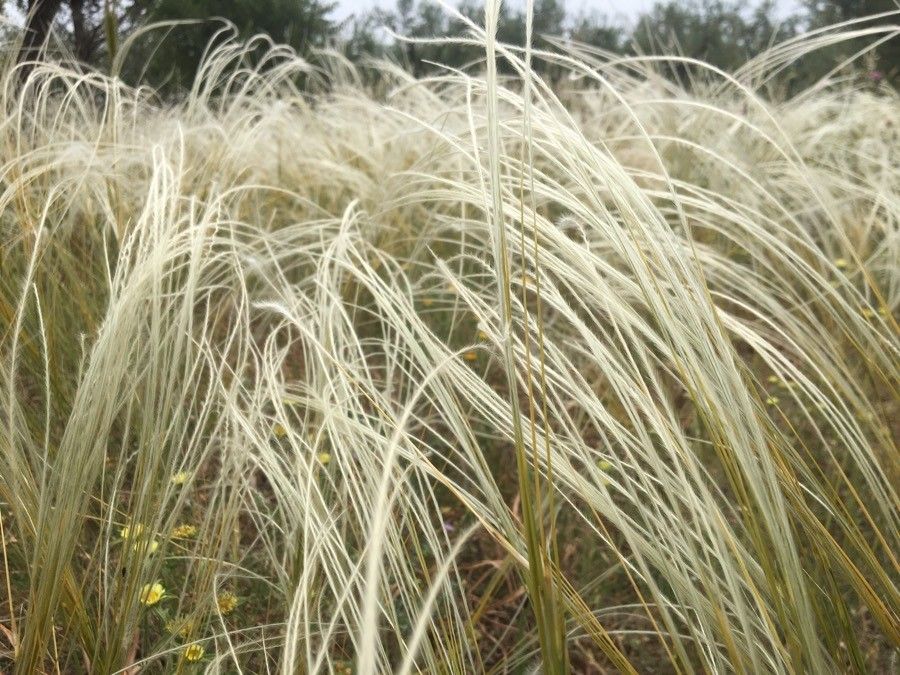
Feathering Your Nest: How to Propagate Stipa Barbata (and Why You Should)
Stipa barbata, or “feather grass,” is a striking ornamental grass that adds a touch of ethereal beauty to any garden. Its delicate seed heads, resembling feathery plumes, sway gently in the breeze creating a captivating rhythm. But beyond its visual appeal, feather grass is also incredibly easy to propagate, making it a great choice for both new and experienced gardeners.
Why Propagate Feather Grass?
Taking cuttings or sowing seeds from your existing feather grass offers several benefits:
- Expand Your Garden: Increase the number of these stunning plants in your landscape without the need for purchasing new ones.
- Cost-Effective: A single plant can quickly become multiple, saving you money and allowing you to fill out your garden with beautiful feather grass.
- Preserve Unique Traits: If your feather grass has a particularly striking color or growth habit, propagation allows you to ensure those traits are passed on to new plants.
- Enjoy the Process: Propagation is a rewarding and enjoyable gardening experience, allowing you to witness the transformation of a cutting or seed into a full-fledged, beautiful plant.
The Two Main Propagation Methods
There are two main ways to propagate Stipa barbata:
1. Seed Propagation:
- Collecting Seeds: During fall, carefully collect the ripe seed heads from your feather grass plant. The seeds are enclosed within the feathery plumes.
- Cleaning the Seeds: Remove the fluffy plumes from the seeds by gently rubbing them between your hands. Then, spread the seeds on a clean, dry surface and allow them to dry thoroughly.
- Sowing the Seeds: Sow the seeds directly in the garden during spring, after the last frost. Alternatively, you can start them indoors 6-8 weeks before the last frost date for a head start.
- Care: Keep the soil moist but not waterlogged and provide adequate sunlight. Germination can take several weeks.
- Timing: Divide feather grass plants in early spring or late summer. This method allows you to create multiple new plants from a single mature clump.
- Preparation: Carefully dig up the entire plant. Use a sharp knife or spade to divide the clump into smaller sections, ensuring each section includes healthy roots and foliage.
- Planting: Replant each division in a well-prepared bed with suitable soil and water thoroughly.
Tips for Success:
- Proper Soil: Use a well-draining soil mix. Ensure the soil is fertile and amended with organic matter.
- Sunlight: Feather grass flourishes in full sun.
- Water Wisely: Feather grass is relatively drought-tolerant once established. However, consistent moisture is important for new plants and during dry periods.
- Winter Protection: While generally hardy, feather grass can benefit from a layer of mulch over the root zone in colder regions during winter.
Adding Feather Grass to Your Garden
Stipa barbata is incredibly versatile and can be used in various garden settings:
- Border Plants: Create a mesmerizing, swaying border along pathways or walkways.
- Mass Plantings: Plant feather grass in groups for a dramatic and eye-catching display.
- Rock Gardens: Its drought tolerance makes it ideal for rock gardens.
- Wildflower Meadows: Feather grass fits seamlessly within a wildflower meadow, adding texture and movement.
Propagation is a simple and rewarding method to grow more feather grass and create a beautiful, unique garden. By following these steps, you can enjoy the grace and beauty of Stipa barbata for years to come.