
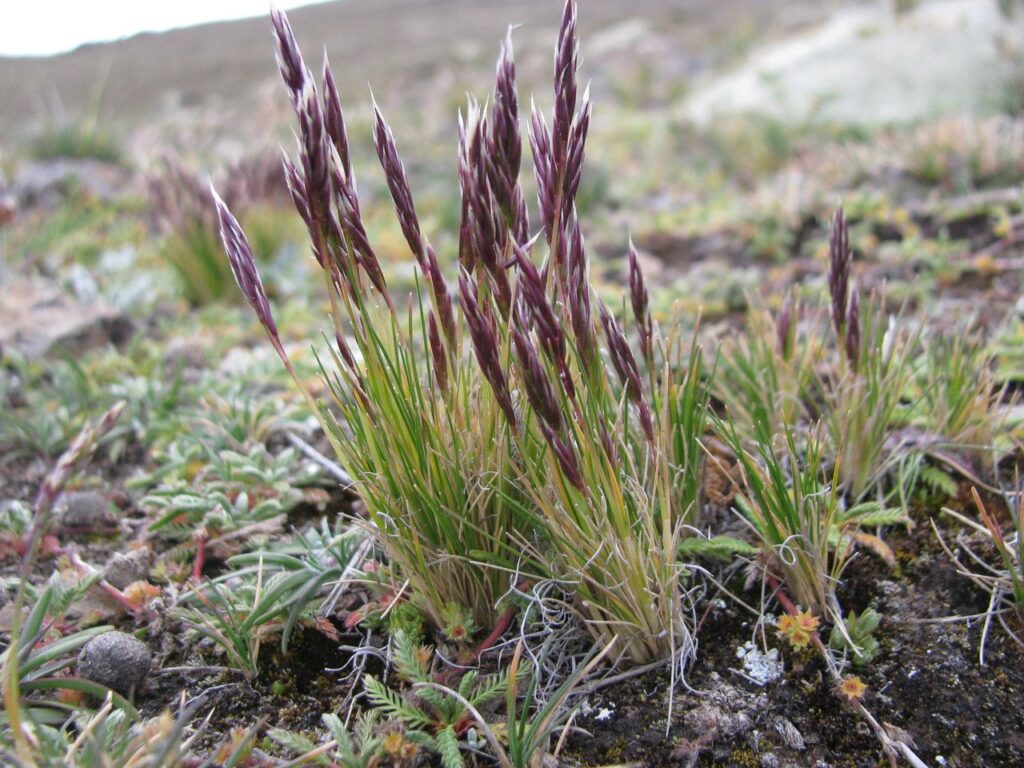
Taming the Wind: Propagating the Elegant Stipa hans-meyeri
Stipa hans-meyeri, more affectionately known as “Diamond Grass” or “Hans Meyer’s Feather Grass,” is a showstopper in any landscape. This elegant ornamental grass, with its arching foliage and shimmering seed heads, brings a touch of ethereal beauty and movement to gardens. But did you know this captivating grass isn’t as difficult to propagate as you might think? Let’s delve into the world of Stipa hans-meyeri propagation and unlock the secrets to multiplying your feathery friends.
Two Paths to Feather Grass Paradise
While Stipa hans-meyeri readily sets seed, the most reliable propagation method is division. This ensures you retain the exact characteristics of the parent plant and avoids variability often seen with seed-grown plants.
1. Division: The Gift that Keeps on Giving
- Timing is Everything: Early spring, as new growth emerges, is the optimal time for dividing Stipa hans-meyeri. This allows the divisions ample time to establish themselves before the heat of summer.
- Divide and Conquer: Carefully dig up a mature clump, ensuring you get a good root mass. Using a sharp, clean spade or garden knife, divide the clump into smaller sections, each with healthy roots and shoots.
- New Beginnings: Replant the divisions at the same depth they were originally growing, spacing them about 2-3 feet apart. Water thoroughly and keep the soil consistently moist as the divisions settle in.
2. Seed Starting: A Test of Patience
Propagating Stipa hans-meyeri from seed is possible but requires more patience and a touch of luck.
- Seed Collection: In late summer, collect ripe seed heads from the plant. Look for seed heads that are starting to dry and turn a light beige color.
- Sowing the Seeds: Sow the seeds directly into prepared seed trays filled with a well-draining seed starting mix. Sprinkle the seeds on the surface and lightly cover them with a thin layer of soil.
- Patience is Key: Keep the soil consistently moist and place the tray in a warm, bright location. Germination can be erratic and may take several weeks or even months.
- Transplanting Success: Once the seedlings are large enough to handle, transplant them into individual pots and gradually acclimate them to outdoor conditions before planting them in their final location.
Caring for Your Feathery Offspring
Whether you choose division or seed propagation, providing the right care will ensure your new Stipa hans-meyeri plants thrive:
- Sun Worshippers: Stipa hans-meyeri thrives in full sun, needing at least 6 hours of direct sunlight daily.
- Well-Drained Delight: Plant in well-drained soil to prevent root rot. This grass isn’t picky about soil type but will flourish in sandy or loamy soils.
- Water Wisely: Once established, Stipa hans-meyeri is relatively drought-tolerant. Provide moderate waterings, especially during extended dry periods.
Propagating Stipa hans-meyeri isn’t just a gardening chore; it’s a rewarding experience that allows you to multiply the beauty of this captivating grass. So go ahead, channel your inner propagator, and watch as your garden transforms into a mesmerizing dance of feathery plumes!