
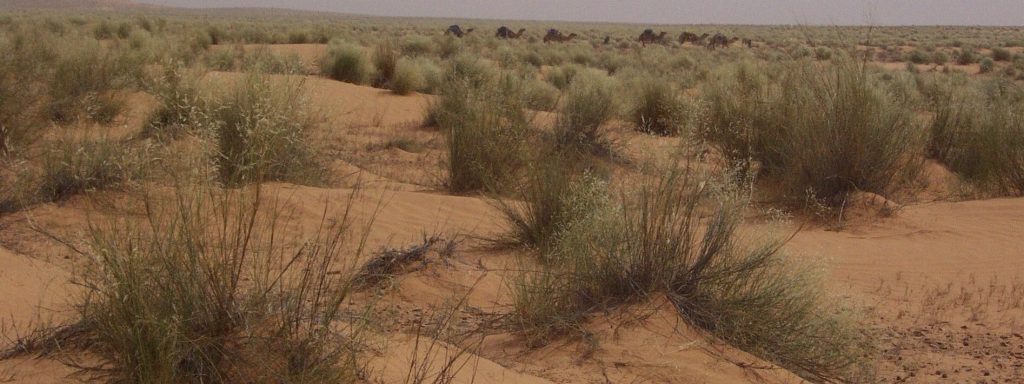
Propagating Stipagrostis pungens: A Gardener’s Guide to the Spike Spear Grass
Stipagrostis pungens, commonly known as Spike Spear Grass, is a striking ornamental grass prized for its fine, silvery-blue foliage and attractive seed heads. Its drought tolerance and resilience make it a popular choice for xeriscaping and low-maintenance gardens. However, propagating this beautiful grass can present unique challenges, demanding patience and attention to detail. Its unique aesthetic and adaptability make successful cultivation particularly rewarding.
Seed Germination:
Currently, there are no known reliable methods for seed germination propagation of Stipagrostis pungens. While seeds may be produced, germination rates are extremely low, even under optimal conditions, likely due to a combination of dormancy mechanisms and the need for specific environmental cues that haven’t been fully identified. Further research into germination requirements is needed before seed propagation can be considered a viable option for this species.
Cuttings:
Cuttings are also not a successful method for propagating Stipagrostis pungens. This grass does not readily produce roots from stem or leaf cuttings, even when treated with rooting hormones. The plant’s physiology appears unsuitable for this form of vegetative propagation.
Division:
Division offers the most reliable method for propagating Stipagrostis pungens. This technique involves carefully separating established clumps of the grass into smaller, independent plants.
Challenges: Successfully dividing Spike Spear Grass depends on the plant’s size and health. Attempting to divide an overly small or stressed plant will likely result in failure. The root system is fibrous and can be easily damaged during separation.
Practical Tips: The best time to divide Stipagrostis pungens is in spring or early autumn, after a period of active growth but before the hottest or coldest parts of the year. Using a sharp, clean spade or trowel to divide the clump, ensuring each section retains a good portion of the root system and healthy foliage. Plant the divisions immediately into well-draining soil, ensuring they are not planted too deeply.
Rewards: Division allows for a quick increase in the number of plants, maintaining the exact genetic characteristics of the parent plant. This method is especially valuable for gardeners who have a particularly desirable cultivar.
Tissue Culture:
Tissue culture remains an unexplored possibility for the propagation of Stipagrostis pungens. This sophisticated technique, requiring specialized laboratory equipment and expertise, could potentially overcome the limitations of other methods. However, at present, there is no published literature documenting successful tissue culture propagation of this species. The challenges may lie in identifying the optimal growth media, hormones, and conditions necessary for inducing shoot proliferation and root formation in vitro.
Conclusion:
Propagating Stipagrostis pungens presents a unique challenge to gardeners. While seed germination and cuttings have proven unreliable, division offers the most practical approach. The rewards of successfully cultivating this beautiful grass – the satisfaction derived from nurturing a plant known for its resilience and captivating aesthetic – are substantial. The relatively easy process of division and the resulting rapid increase in plants is a gratifying experience, fully justifying the effort. For aspiring propagators, patience, careful observation, and the willingness to embrace the challenges are key to success. Further research into the propagation methods for this species, particularly in tissue culture, is encouraged to unlock its full horticultural potential.