
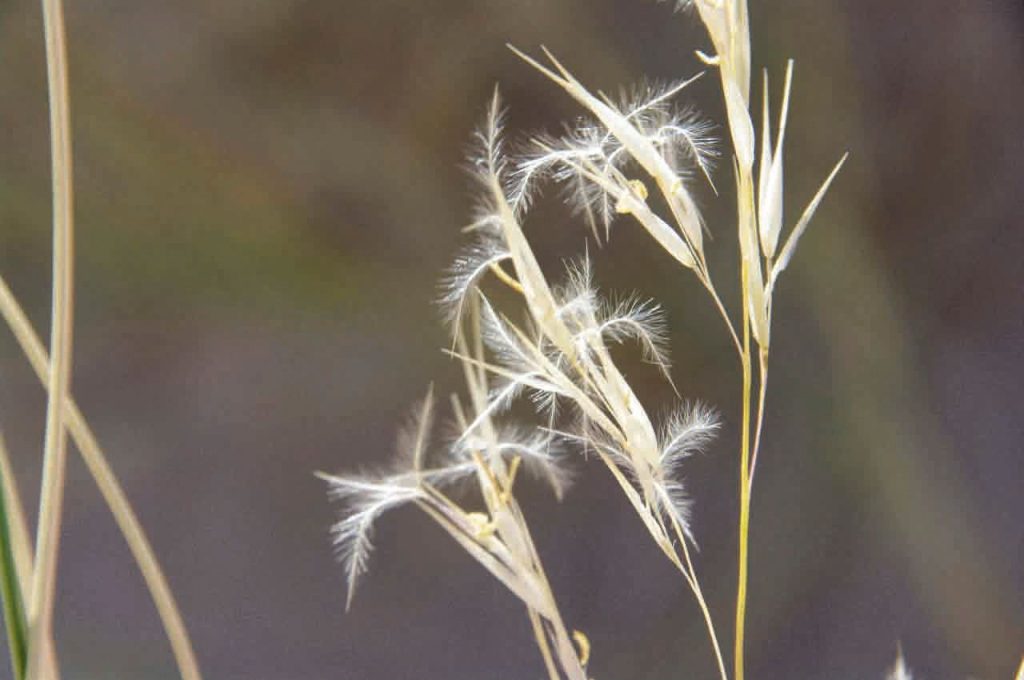
Propagating Stipagrostis vulnerans: A Grazier’s Friend and Gardener’s Challenge
Stipagrostis vulnerans, commonly known as hairy finger grass or spear grass, is a hardy perennial grass admired for its drought tolerance and attractive, silvery seed heads. Native to arid and semi-arid regions of southern Africa, it’s increasingly sought after by gardeners interested in xeriscaping and creating naturalistic landscapes. Its ability to thrive in poor soil conditions adds to its appeal, but its propagation presents a unique set of challenges. The unique feathery seed heads also make it a desirable ornamental plant.
Seed Germination:
Seed germination for Stipagrostis vulnerans is challenging, though not impossible. Dormancy is a significant hurdle. Research suggests that scarification (nicking the seed coat) and a period of cold stratification (exposure to cold temperatures for several weeks) can improve germination rates. However, even with these techniques, germination rates remain unpredictable and often low.
Challenges: Low germination rates, dormancy overcoming, inconsistent results.
Practical Tips: Scarify seeds using sandpaper or a file. Stratify seeds at 4°C (39°F) for 4-6 weeks prior to sowing. Sow seeds in a well-draining seed starting mix, keeping the soil moist but not saturated. Maintain temperatures above 15°C (59°F).
Rewards: High genetic diversity in propagated plants, potential for large-scale propagation if germination rates are improved through further experimentation.
Cuttings:
Currently, there are no known reliable methods for propagation of Stipagrostis vulnerans via cuttings. The grass’s deeply rooted nature and fibrous structure make it unlikely to root from stem cuttings.
Division:
Division presents a more viable method for propagating Stipagrostis vulnerans, particularly for established plants. The clumping nature of the grass allows for careful separation of the root system. However, this method is limited by the availability of mature, sizeable plants.
Challenges: Requires established, mature plants; risk of damaging the root system during division, limited propagation potential compared to other methods (if successful).
Practical Tips: Divide the plant in early spring or autumn when the plant is actively growing, ensuring each division retains a substantial portion of the root system. Plant divisions immediately in well-draining soil. Water thoroughly after planting.
Rewards: Simpler technique than seed germination, higher success rate than seed germination or cuttings; produces genetically identical plants.
Tissue Culture:
Tissue culture propagation for Stipagrostis vulnerans is largely unexplored. While technically feasible with appropriate protocols, the lack of established protocols and the specialized equipment required makes this method impractical for amateur propagation. Further research is needed to develop reliable tissue culture techniques for this species.
Challenges: Requires significant investment in equipment and expertise, development of optimal culture media and growth conditions is crucial.
Conclusion:
Propagating Stipagrostis vulnerans presents several challenges owing to its adaptation to arid conditions. While seed germination might be successful with considerable effort, division stands as a more realistically achievable method for the home gardener. Tissue culture remains an avenue for future research. The rewards, however, are substantial: successfully cultivating this beautiful and resilient grass offers a unique satisfaction, a testament to perseverance and horticultural skill. The challenges ensure that each successfully propagated plant is a hard-earned victory – a testament to the gardener’s dedication. For aspiring propagators, we encourage continued experimentation and the sharing of results, as collective efforts could unlock the full potential of this interesting species.