
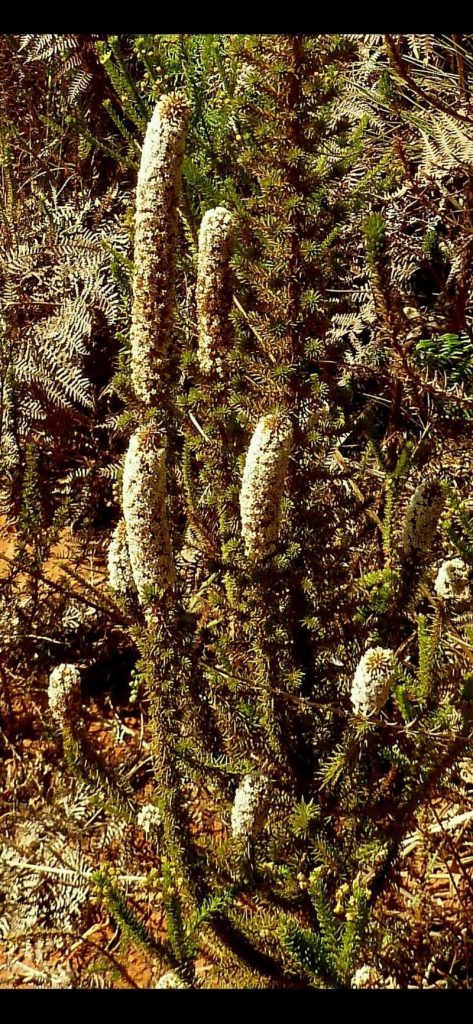
Propagating Stoebe alopecuroides: A Guide to Cultivating the Cape Cudweed
Introduction:
Stoebe alopecuroides, commonly known as Cape Cudweed, is a resilient, silvery-leaved shrub native to South Africa. Its attractive, woolly foliage and tolerance of drought conditions make it a popular choice among gardeners seeking low-maintenance, water-wise landscaping options. Its adaptability to various soil types further enhances its horticultural appeal. However, propagating this plant can present unique challenges, making successful cultivation all the more rewarding. While seed propagation is possible, vegetative methods are generally considered more reliable.
Seed Germination:
Currently, there are no known reliable methods for seed germination propagation of Stoebe alopecuroides. While seeds may be produced, their germination rate is notoriously low, and consistent success remains elusive due to factors such as dormancy mechanisms and specific environmental requirements that have yet to be clearly identified.
Cuttings:
- Challenges: Softwood cuttings from new growth are the most commonly attempted method. However, success rates can be variable due to the plant’s tendency towards slow rooting and susceptibility to fungal diseases in humid conditions.
- Tips: Take cuttings in spring or early summer from non-flowering stems. Use a sharp knife or shears to make clean cuts, approximately 10-15 cm long, just below a node. Remove lower leaves to prevent rot. Dip the cut end in a rooting hormone powder to encourage root development. Plant the cuttings in well-draining propagation mix (e.g., a mix of perlite and peat moss) and maintain a consistently moist (but not waterlogged) environment. A humidity dome or propagation tray can be beneficial. Avoid direct sunlight during the rooting phase.
- Rewards: A high success rate, provided optimal conditions are maintained, allows for the rapid production of numerous genetically identical plants, preserving desirable traits.
Division:
- Challenges: Stoebe alopecuroides is not naturally clumpy and doesn’t readily lend itself to division. Mature plants may be large enough for division, but this is a less efficient method when compared to cuttings and carries the risk of damaging the parent plant.
- Tips: If attempting division, carefully dig up the entire plant and gently separate it into smaller sections, ensuring each division has a healthy root system. Replant divisions immediately in well-prepared soil, ensuring good drainage.
- Rewards: Division provides quicker establishment than cuttings for mature plants where enough divisions are viable. However, it isn’t a practical method for large-scale propagation.
Tissue Culture:
- Challenges: This is a complex and expensive method requiring specialized equipment and expertise. Establishing reliable protocols for Stoebe alopecuroides would require extensive research and development. Contamination risk is also a major concern.
- Tips: While not readily available for home propagators, tissue culture offers the potential for mass propagation of genetically identical plants and the opportunity for disease-free stock.
- Rewards: Large-scale propagation with high success rates, allowing for the conservation of endangered varieties.
Conclusion:
Propagating Stoebe alopecuroides presents unique challenges. While seed propagation is unreliable, cuttings offer the most practical approach for home gardeners. Division is possible but less efficient, and tissue culture remains a specialized niche method. The rewards, however, are significant. Successfully cultivating this attractive and resilient shrub from a cutting or through division provides a deep sense of accomplishment. The patience and attention to detail required to overcome the propagation challenges make the eventual flourishing of the Cape Cudweed all the more satisfying. To aspiring propagators, we offer encouragement: persist, learn from failures, and enjoy the journey of bringing this beautiful plant to life. Remember consistency, proper care, and patience are key to success.