
Propagating Stomatium suaveolens: A Gardener’s Guide to the "Sweet-Scented Stomatium"
Introduction:
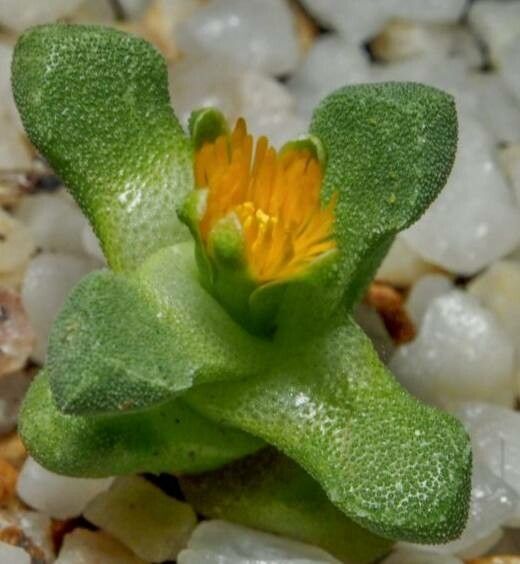
Stomatium suaveolens, often referred to as the Sweet-Scented Stomatium, is a captivating succulent belonging to the Aizoaceae family. This intriguing plant is characterized by its small, grey-green leaves arranged in tightly packed rosettes, often with a reddish tinge, giving it a charmingly miniature appearance. Its popularity among succulent enthusiasts stems from its unique aesthetic qualities and the relatively manageable care requirements it presents. However, propagation of Stomatium suaveolens presents some unique challenges, making successful cultivation a rewarding experience for dedicated gardeners. One distinctive aspect of this species is the challenge in achieving propagation through commonly used methods.
Seed Germination:
Currently, there are no known reliable methods for seed germination propagation of Stomatium suaveolens. While seeds may be produced, germination rates are notoriously low and unpredictable, even under optimal conditions. Further research is needed to determine if specific germination techniques, such as specific temperature and light requirements or the use of growth hormones, could improve success.
Cuttings:
Currently, there are no known reliable methods for propagation of Stomatium suaveolens from cuttings. Stem or leaf cuttings fail to root readily, making this method impractical.
Division:
Division offers the most reliable method for propagating Stomatium suaveolens.
-
Challenges: Stomatium suaveolens tends to grow slowly and forms relatively small clusters. Overly aggressive division can damage the plant, potentially leading to rot or failed propagation. Careful timing is crucial; division is best undertaken during the plant’s active growing season (spring or early summer).
-
Practical Tips: The plant should be carefully removed from its pot and the root ball gently loosened. Sharp, sterilized tools should be used to separate the offsets (small plants growing at the base of the main plant). Each offset should have a good root system attached. Allow the divided plants to callus over for a few days before planting them in well-draining succulent potting mix.
- Rewards: Division provides a relatively straightforward and high-success rate propagation method. It allows for the rapid increase of desirable plants without the genetic variability associated with seed propagation.
Tissue Culture:
Tissue culture presents a potentially viable, albeit specialized, approach to propagating Stomatium suaveolens.
-
Challenges: Sterile laboratory conditions and specialized expertise are vital for success. Establishing a culture and achieving growth requires careful monitoring and control of numerous factors, such as media composition, humidity, temperature, and light exposure. This is not a method suited for the home propagator.
-
Practical Tips: This method would require a tissue culture laboratory setting which are usually only available to professional nurseries and research facilities. Experienced practitioners would need to identify appropriate plant parts for explantation and develop optimized culture media.
- Rewards: Tissue culture offers the potential for large-scale propagation of Stomatium suaveolens, preserving desirable genetic traits and potentially overcoming the limitations associated with other methods.
Conclusion:
Propagating Stomatium suaveolens presents a unique set of challenges. While seed germination and cutting propagation are currently unreliable, division offers a viable, though patient-demanding solution for the home gardener. Tissue culture represents a more advanced technique promising significant gains in propagation efficacy, though it requires specialized equipment and expertise. The relatively low reproductive capacity of this succulent underscores the special satisfaction derived from successfully cultivating and multiplying these charming plants. The inherent difficulty only enhances the sense of accomplishment associated with expanding a collection of this somewhat elusive species. For aspiring propagators, patience, precise technique, and attention to detail are key to success. Don’t be discouraged by initial setbacks; the unique beauty of Stomatium suaveolens is more than worth the effort.