
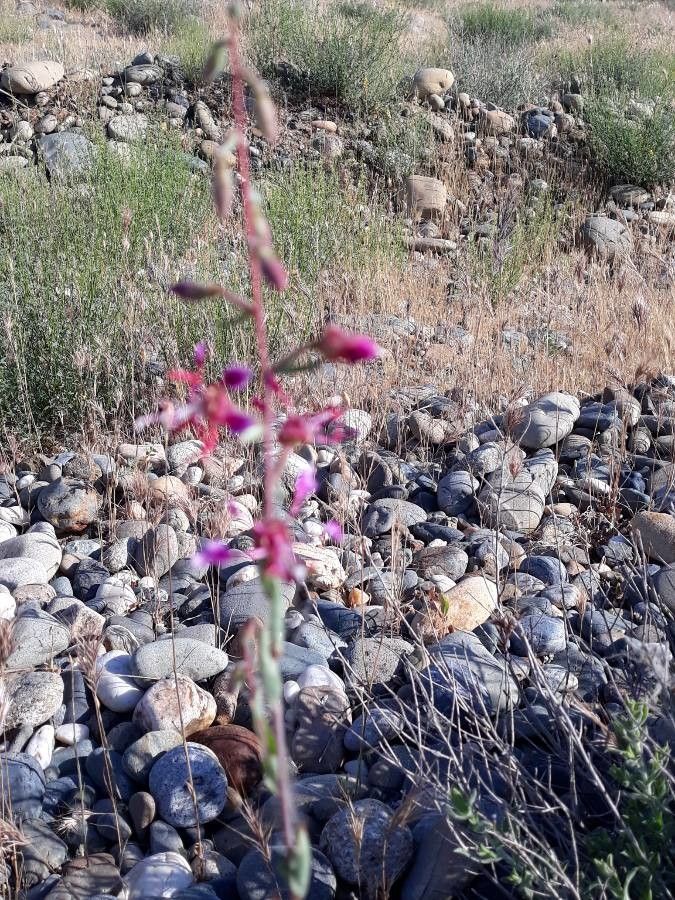
Unlocking the Secrets of the Jewel Flower: Propagating Streptanthus glandulosus
The Streptanthus glandulosus, also known as the “Jewel Flower,” is a captivating wildflower native to California. With its unique, pendant-like flowers in vibrant hues of purple and pink, this plant holds a special appeal for gardeners and nature enthusiasts alike. While admired for its beauty, cultivating the Jewel Flower can feel like cracking a botanical code. Fear not, intrepid gardener! This article dives into the world of Streptanthus glandulosus propagation, unlocking the secrets to successfully growing this stunning species.
Understanding the Jewel Flower:
Before we jump into propagation, it’s crucial to understand the Jewel Flower’s natural habitat and life cycle. This understanding lays the groundwork for success. As a California native, this plant has adapted to a Mediterranean climate characterized by hot, dry summers and cool, wet winters. It typically grows in open, rocky areas with well-drained soil. The Jewel Flower is a biennial, meaning it completes its life cycle in two years. The first year is dedicated to vegetative growth, establishing a rosette of leaves. In the second year, it blooms, sets seeds, and then dies.
Propagation Methods:
Propagating Streptanthus glandulosus primarily relies on seeds, though cuttings can be attempted with varying levels of success.
-
Seed Propagation: This is the most common and reliable method.
- Seed Collection: Collect seeds in late spring to early summer as seed pods mature and turn brown.
- Seed Dormancy: Jewel Flower seeds exhibit dormancy, meaning they need a period of cold, moist stratification to break dormancy and germinate. To mimic natural conditions, store seeds in the refrigerator (around 40°F or 4°C) for 6-8 weeks before sowing.
- Sowing: In early spring or fall, sow seeds in well-draining seed-starting mix. Sprinkle seeds on the surface and lightly press them into the mix, as they require light for germination.
- Watering: Keep the soil consistently moist but not waterlogged.
- Transplanting: Once seedlings develop a few true leaves, they can be transplanted to individual pots or directly into the garden.
- Cuttings: While possible, propagating from cuttings is less reliable and requires careful attention. Take cuttings from young, healthy stems in the spring. Using a rooting hormone can improve success rates.
Tips for Success:
- Well-Drained Soil: The key to happy Jewel Flowers is excellent drainage. Use a well-draining soil mix or amend your soil with perlite or sand to improve drainage.
- Sunlight Exposure: Aim for a location with full sun to partial shade. In hotter climates, afternoon shade can be beneficial.
- Watering: Water deeply but infrequently, allowing the soil to dry out slightly between waterings. Overwatering can lead to root rot, a common problem.
- Patience is Key: Remember that Streptanthus glandulosus is a biennial. Don’t be discouraged if you don’t see blooms in the first year.
Cultivating the Jewel Flower might require a touch of patience and understanding of its unique needs. However, the reward of witnessing its delicate, vibrant blooms in your garden makes the effort worthwhile. So, embrace the challenge and enjoy the journey of growing this beautiful and intriguing wildflower.