
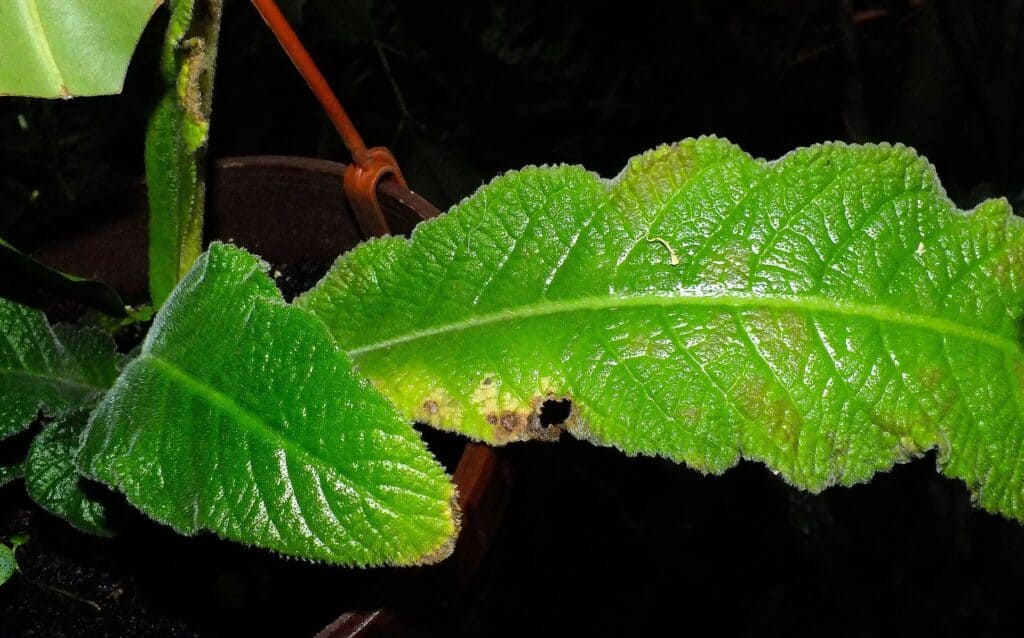
Unveiling the Secrets: Propagating the Exquisite Streptocarpus Primulifolius
The Streptocarpus primulifolius, with its delicate, primrose-like blooms and captivating foliage, is a true gem for any plant enthusiast. While caring for these beauties is relatively straightforward, the magic truly unfolds when you learn the art of propagation. Imagine multiplying your collection and sharing these stunning plants with friends – all thanks to a little know-how. Intrigued? Let’s delve into the fascinating world of propagating Streptocarpus primulifolius.
Two Paths to Success: Leaf Cuttings and Seed Sowing
Fortunately, this species offers two effective methods for propagation:
1. Leaf Cuttings: The Clonal Approach
Taking leaf cuttings is the most popular method, favored for its simplicity and ability to produce plants identical to the parent. Here’s a step-by-step guide:
- Timing is Key: Spring and early summer, when the plant is actively growing, are ideal for taking leaf cuttings.
- Choose Wisely: Select healthy, mature leaves free from any damage or disease.
- Making the Cut: Use a sharp, sterilized blade to cut the leaf into sections. You can divide it lengthwise or cut across the width, ensuring each section has a prominent vein.
- Prepare the Medium: Opt for a well-draining, airy mix. A combination of peat moss and perlite or vermiculite works well.
- Planting Time: Insert the cut end of each leaf section into the moistened medium, burying about a third of it.
- Creating the Ideal Environment: Place the cuttings in a warm, bright location, but away from direct sunlight. Maintaining high humidity is crucial. Consider covering the pot with a plastic bag or using a propagation dome to create a humid microclimate.
- Patience is a Virtue: It takes time for roots and new plantlets to develop, usually around 4-8 weeks. Resist the urge to overwater, as it can lead to rot.
- Separation Anxiety? Once the plantlets are established with a few leaves, carefully separate them from the original leaf cutting and pot them individually.
2. Seed Sowing: Embracing the Element of Surprise
While less common, propagating Streptocarpus primulifolius from seeds can be a rewarding experience, offering the potential for new and exciting variations. Here’s how:
- Source Your Seeds: You can purchase seeds from reputable suppliers or collect them from your own plants if they have been pollinated.
- Sowing Time: Spring is generally the best time to sow the seeds.
- Light Germinators: Sprinkle the tiny seeds on the surface of a well-draining seed-starting mix. Do not bury them, as they require light to germinate.
- Moisture is Key: Mist the surface gently with water and cover the tray with a clear lid or plastic wrap to maintain humidity.
- Warmth and Patience: Place the tray in a warm, brightly lit area, out of direct sunlight. Germination usually occurs within 2-4 weeks.
- Thinning the Herd: Once the seedlings have developed a few true leaves, thin them out, leaving the strongest ones to thrive.
- Potting Up: When the seedlings are large enough to handle, carefully transplant them into individual pots.
Tips for Success:
- Sterilization is Key: Always use sterilized tools and containers to minimize the risk of disease.
- Humidity is Your Friend: Maintain high humidity levels around your cuttings or seedlings to encourage root development.
- Avoid Overwatering: Water only when the soil is nearly dry to the touch.
- Bright, Indirect Light: Provide your new propagations with bright, indirect light for optimal growth.
Propagating Streptocarpus primulifolius is an exciting journey for plant enthusiasts of all levels. With a little patience and care, you can multiply your collection and enjoy the beauty of these captivating plants for years to come. So, grab your gardening gloves and embark on the rewarding adventure of propagating the exquisite Streptocarpus primulifolius!