
The Stealthy Spread of Witchweed: Unsealing the Secrets of Striga asiatica Propagation
The plant world is full of fascinating surprises, but some surprises are less welcome than others. Enter Striga asiatica, commonly known as witchweed, a parasitic plant notorious for its devastating impact on crops. Understanding how this insidious plant propagates is crucial for protecting our food supply. So, let’s delve into the stealthy world of Striga asiatica and uncover its secrets.
Unlike most plants that obtain nutrients through photosynthesis, Striga asiatica takes a more sinister approach. This parasitic plant establishes a connection with the roots of its host plant, siphoning away vital water and nutrients. But before it can wreak havoc, it needs to find a suitable host. That’s where the story of its propagation begins.
Tiny Seeds, Huge Problems:
Striga asiatica produces an abundance of incredibly tiny seeds, each barely visible to the naked eye. A single plant can release thousands of these seeds, which can remain dormant in the soil for decades, waiting for the perfect opportunity to strike.
A Chemical Wake-Up Call:
These dormant seeds aren’t triggered by moisture or sunlight like many others. Instead, they lie in wait, listening for a chemical signal called strigol. This compound is released by the roots of certain plants, particularly cereal crops like corn, sorghum, and rice. When the witchweed seeds detect strigol, they interpret it as a sign that a potential host is nearby and begin to germinate.
A Race Against Time:
Once germination is triggered, Striga asiatica faces a race against time. Its seedling stage is brief, and it must quickly attach to a host’s roots to survive. This is where a specialized structure called a haustorium comes into play. The haustorium penetrates the host’s root, forming a parasitic connection that allows the witchweed to steal water and nutrients.
The Cycle Continues:
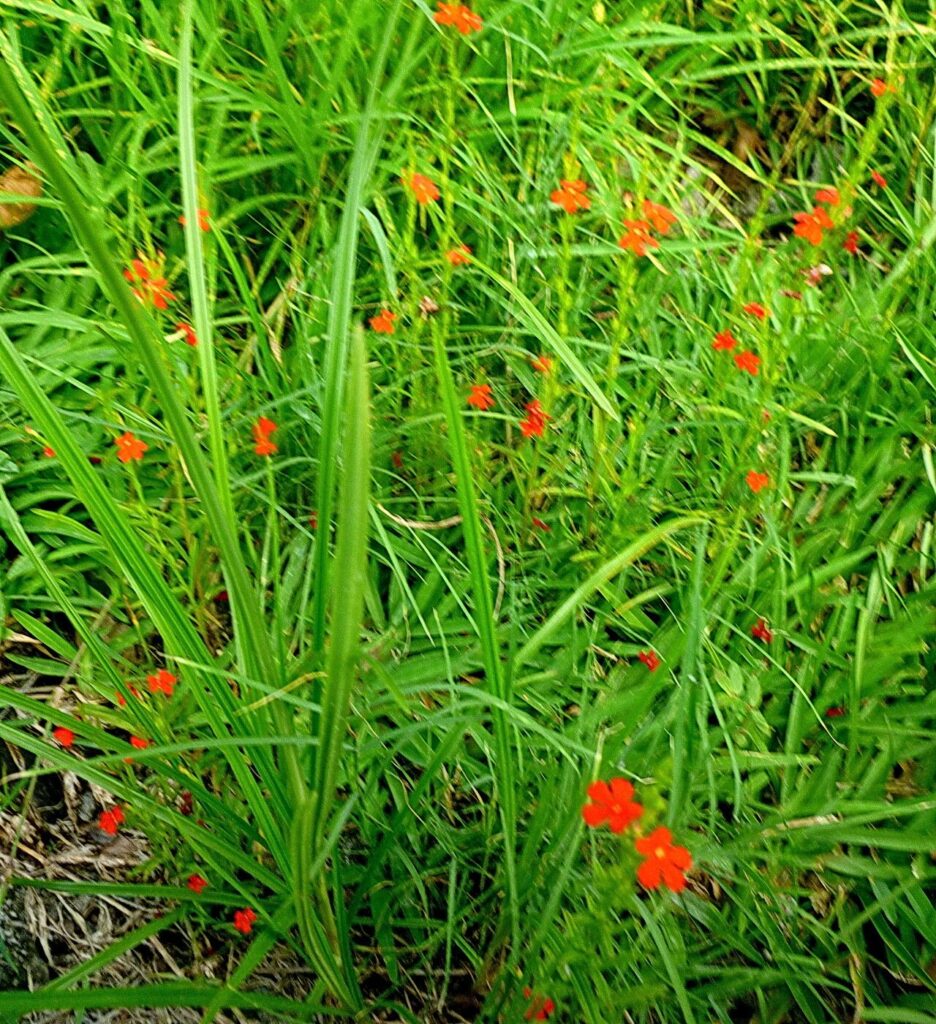
Once successfully attached, Striga asiatica thrives at the host’s expense. It grows rapidly, producing characteristic bright green leaves and ultimately, vibrant red flowers. These flowers produce a new generation of seeds, perpetuating the cycle of infestation.
Fighting Back Against the Witch:
The best way to control Striga asiatica is to prevent its spread in the first place. This can include measures like:
- Crop rotation: Alternating susceptible crops with non-host species can disrupt the parasite’s lifecycle.
- Trap crops: Planting species like cotton or cowpea, which trigger germination but aren’t suitable hosts, can reduce viable seed populations in the soil.
- Herbicide application: Pre-emergent herbicides can target germinating witchweed seeds, while post-emergent options can control established infestations.
- Resistant varieties: Researchers are actively developing crop varieties that are less susceptible to Striga asiatica infestation.
Understanding the unique propagation methods of this parasitic menace is essential for safeguarding our food security. By implementing effective control measures and supporting ongoing research, we can fight back against the witchweed and protect the future of our crops.